Anticoagulation: Understanding Blood Thinners, Stroke Prevention, and Safe Use
When your blood clots too easily, it can block arteries and cause a stroke, heart attack, or pulmonary embolism. Anticoagulation, the medical process of slowing blood clotting to prevent dangerous clots. Also known as blood thinning, it’s not about making blood watery—it’s about carefully balancing clotting factors to keep you safe. People with atrial fibrillation, an irregular heartbeat that lets blood pool and clot in the heart are often put on anticoagulation because their stroke risk jumps five times higher. But it’s not just for AFib. If you’ve had a deep vein thrombosis, a mechanical heart valve, or a history of clots, anticoagulation might be part of your long-term plan.
There are different types of anticoagulant drugs, medications designed to interfere with the body’s clotting system. Warfarin has been around for decades and needs regular blood tests. Newer options like apixaban and rivaroxaban work without frequent monitoring, but they’re not right for everyone. Kidney function, age, and other meds you take can change what’s safe. For example, someone with kidney disease might need a lower dose—or a different drug entirely—to avoid bleeding risks. And anticoagulation doesn’t play well with some supplements. Strophanthus, for instance, affects heart rhythm and could interact unpredictably with blood thinners. Even over-the-counter painkillers like ibuprofen can increase bleeding danger when mixed in.
Anticoagulation isn’t a one-size-fits-all fix. It’s a tool, and like any tool, it needs the right user. That’s why doctors weigh stroke risk against bleeding risk before starting it. You might think taking a blood thinner means you’re protected forever, but the real work starts after the prescription. You need to know how to spot signs of bleeding—unusual bruising, dark stools, headaches that won’t quit. You need to understand what happens if you miss a dose. And you need to know why some people switch from warfarin to newer drugs, while others stay on the old one. The posts below cover exactly that: how anticoagulation ties into atrial fibrillation treatment, why some patients need rhythm control instead of just blood thinners, and how to avoid dangerous interactions with other meds. Whether you’re managing your own treatment or helping someone else, these guides give you the real-world details you won’t find in a brochure.
Anticoagulation in Kidney and Liver Disease: What Doctors Really Do
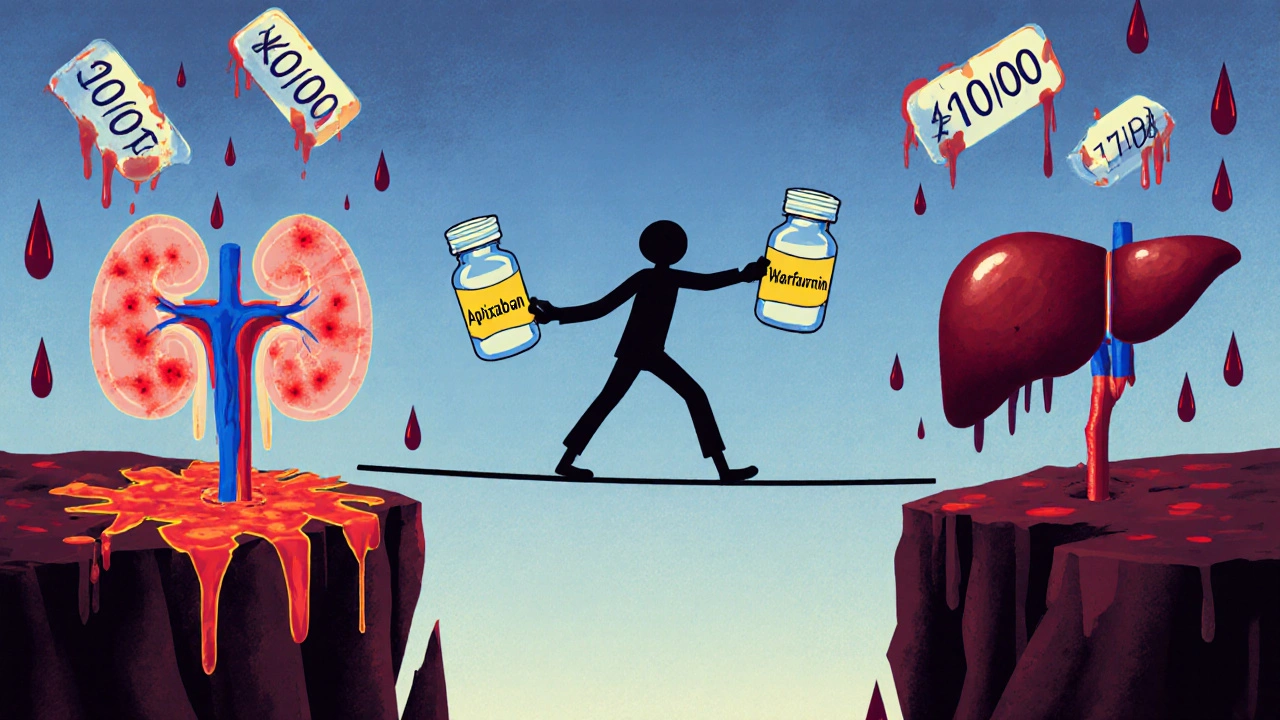
Managing blood thinners in kidney and liver disease is complex. Apixaban is often safest in moderate kidney disease, while warfarin remains common in severe cases. DOACs are risky in advanced liver failure. Real-world decisions rely on individual risk, not just guidelines.