Cognitive Decline: Signs, Causes, and What You Can Do
When your memory starts slipping—forgetting where you put your keys, struggling to find the right word, or losing track of conversations—you might wonder if this is just aging or something more serious. cognitive decline, a gradual reduction in mental abilities like memory, focus, and problem-solving. It's not a disease itself, but a symptom that can signal underlying issues like Alzheimer’s, vascular problems, or even treatable conditions like vitamin deficiencies or thyroid disorders. Many people assume it’s inevitable, but the truth is, not all cognitive decline leads to dementia, and some forms can be slowed—or even reversed—with the right steps.
brain health, how well your brain functions over time, including memory, attention, and decision-making depends on more than just genetics. Blood flow matters. So do sleep, blood pressure, and what you eat. People with uncontrolled high blood pressure or diabetes are at higher risk, because these conditions damage small blood vessels in the brain. dementia prevention, strategies to reduce the risk of severe cognitive impairment isn’t about taking one magic pill—it’s about managing what you can: staying active, eating real food, controlling cholesterol, and keeping your mind engaged. Even small changes, like walking 30 minutes a day or learning a new skill, help build mental resilience.
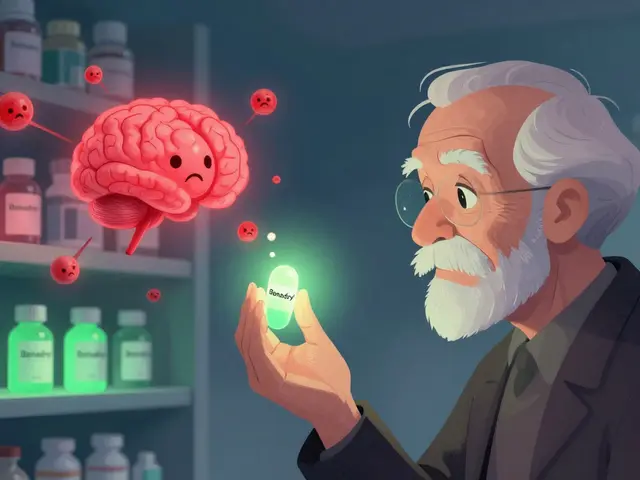
Some forms of cognitive decline are tied to medications. Blood thinners, sleep aids, and even some antidepressants can fog your thinking if not dosed right—especially in older adults or those with kidney or liver issues. That’s why knowing how your body processes drugs matters. If you’re taking multiple meds, ask your doctor if any could be affecting your memory. And don’t ignore hearing loss or social isolation—both are strongly linked to faster brain decline. Staying connected, listening well, and moving your body are just as important as any supplement or pill.
What you’ll find below isn’t a list of miracle cures. It’s real-world advice from people who’ve dealt with these issues firsthand. From how certain heart medications affect your brain, to natural supplements that support circulation and mental clarity, to how to avoid drugs that harm your kidneys and, by extension, your thinking—you’ll see the connections. This isn’t about fear. It’s about control. You can’t stop aging, but you can protect your mind while you do.

Benzodiazepines: Memory Loss, Fall Risks, and Safe Tapering Strategies
Benzodiazepines can cause lasting memory loss, increase fall risk in older adults, and lead to difficult withdrawal. Learn how to safely taper off and what to expect during recovery.