Memory Impairment: Causes, Common Causes, and What You Can Do
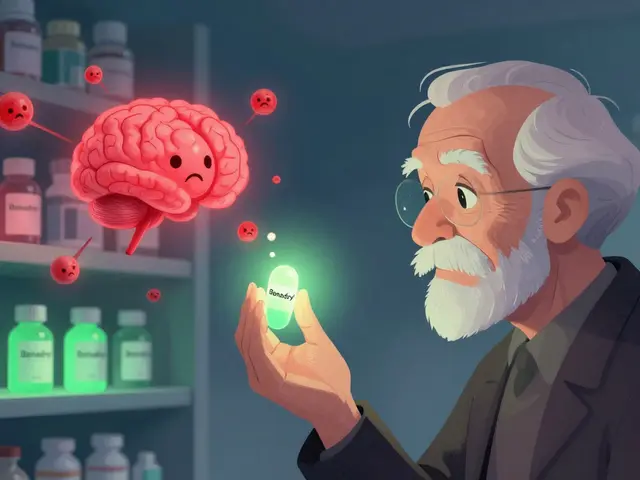
When your memory starts slipping—forgetting names, missing appointments, or walking into a room and not knowing why—it’s easy to panic. But memory impairment, a decline in the ability to store, retain, or recall information. Also known as cognitive decline, it’s not always a sign of something serious—but it’s never something to ignore. Many people assume it’s just getting older, but the truth is, memory issues often come from treatable causes: medication side effects, thyroid problems, vitamin B12 deficiency, or even sleep apnea. In fact, some of the drugs people take daily for blood pressure, depression, or allergies can quietly dull thinking over time.
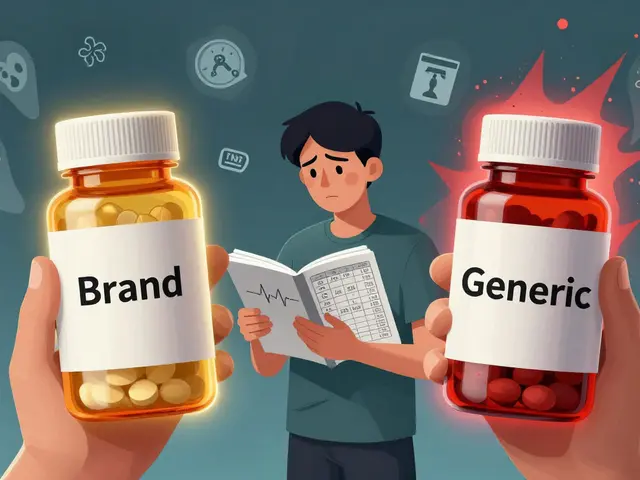
What makes memory impairment tricky is that it often shows up alongside other conditions. For example, people with kidney disease, a condition that changes how the body processes drugs may accidentally build up toxic levels of medications that affect the brain. Same with liver disease, where the organ can’t break down drugs properly, leading to confusion or forgetfulness. Even something as simple as switching from a brand-name drug to a generic, or mixing supplements like Strophanthus with prescription meds, can throw off brain chemistry. And while dementia is often the first thing people think of, it’s not the only culprit. Chronic stress, poor sleep, and uncontrolled diabetes are just as common—and often reversible—if caught early.
You’ll find articles here that dig into exactly how medications interact with brain function. Some explain how certain blood thinners or antidepressants might be silently hurting your focus. Others show how kidney or liver damage changes dosing needs, and how taking the wrong amount can lead to mental fog. There are guides on reading labels correctly to avoid accidental overdoses, and comparisons of drugs that don’t cause weight gain or memory loss—like linagliptin for diabetes—versus ones that do. You’ll also see how herbal supplements, while marketed as natural, can interfere with brain health in ways most people don’t expect.
This isn’t about fear. It’s about awareness. If you or someone you care about is noticing memory changes, the first step isn’t to assume the worst—it’s to look at what’s being taken, how it’s being taken, and whether anything can be adjusted. The right information can turn a scary symptom into a solvable problem.

Benzodiazepines: Memory Loss, Fall Risks, and Safe Tapering Strategies
Benzodiazepines can cause lasting memory loss, increase fall risk in older adults, and lead to difficult withdrawal. Learn how to safely taper off and what to expect during recovery.