Prescription Medications: What You Need to Know About Safety, Interactions, and Alternatives
When you take a prescription medication, a drug approved by health authorities for treating specific medical conditions under a doctor’s supervision. Also known as Rx drugs, these are not optional extras—they’re powerful tools that can fix problems or create new ones if misused. Millions rely on them daily, but too many don’t know how they really work, who they interact with, or when they might be doing more harm than good.
Take anticoagulants, blood thinners like warfarin or apixaban that prevent dangerous clots. They’re life-saving for people with atrial fibrillation or after a stroke—but combine them with garlic supplements, and you risk bleeding out from a simple cut. Or consider kidney disease medication, drugs that must be adjusted or avoided when kidneys aren’t filtering properly. Many common painkillers, antibiotics, and even some diabetes pills can wreck your kidneys if dosed wrong. Doctors don’t always warn you about this—so you have to ask.
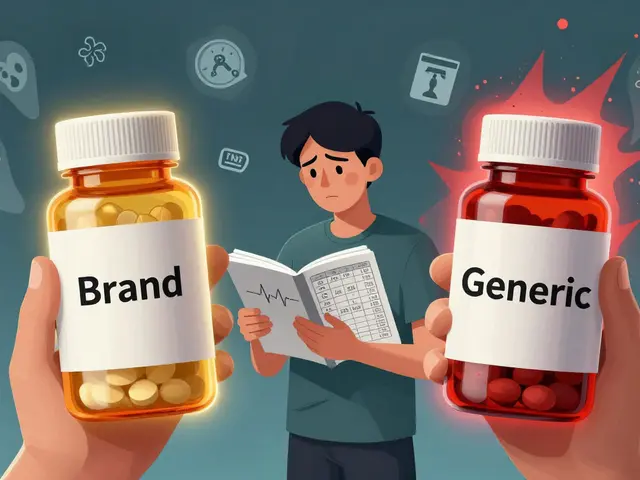
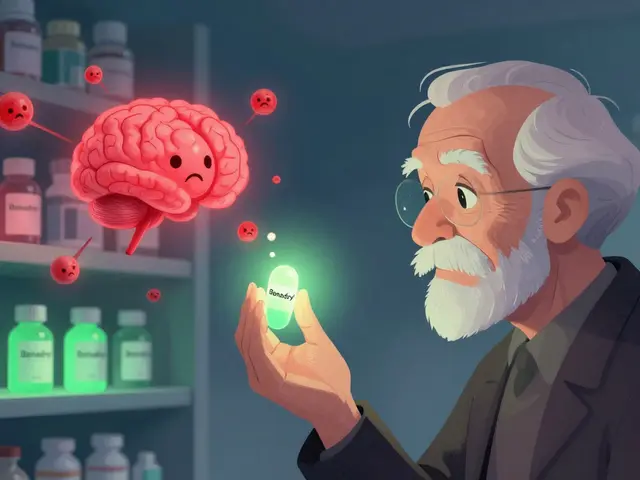
It’s not just about avoiding bad combos. It’s about knowing when a cheaper generic or a newer biosimilar might be just as safe—and way less expensive. Some people still think generics are weak or fake. They’re not. A biosimilar to Humira can cut your bill by 85%, and studies show it works just like the original. But if you’re on HRT, that same pill might mess with your epilepsy meds. Or if you’re older, a benzodiazepine for anxiety could be making you fall more often and forget names. These aren’t edge cases—they’re everyday realities.
And then there’s the shift from prescription to over-the-counter. Drugs like Nexium and Claritin started as Rx-only, then became shelf items. That sounds convenient, but it’s risky if you don’t know what you’re taking or why. You might think it’s harmless because you don’t need a script—but your liver doesn’t care how it got there.
This collection isn’t about listing every pill on the market. It’s about the real, messy, human side of taking medicine: how to read a liquid label so you don’t overdose your kid, how to taper off sleeping pills without panic attacks, how to spot when a drug isn’t working anymore, and when to ask your doctor for something better. You’ll find guides on what to avoid with liver or kidney trouble, how to handle opioid withdrawal safely, and why some heart drugs are now preferred over others based on the latest evidence—not just marketing.
There’s no magic bullet. But there is knowledge. And with the right info, you can stop guessing and start making smarter calls—with your doctor, your pharmacist, and yourself.
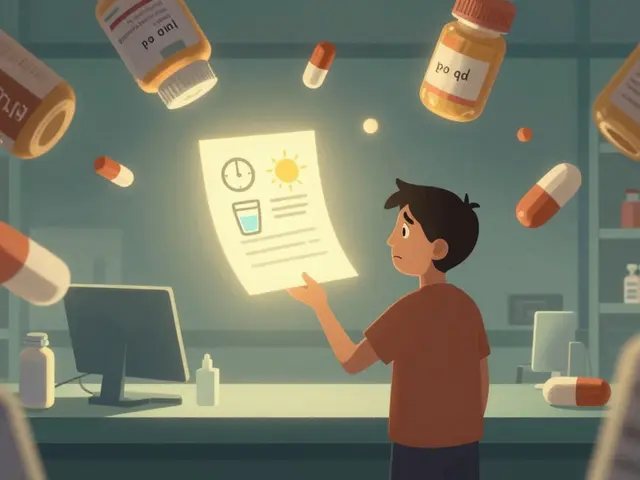
Questions to Ask Your Pharmacist About Prescription Medications
Learn the essential questions to ask your pharmacist about prescription medications to avoid errors, reduce side effects, save money, and stay safe. Expert-backed tips for better medication use.