Strophanthus Supplement: What It Is, How It's Used, and What the Evidence Says
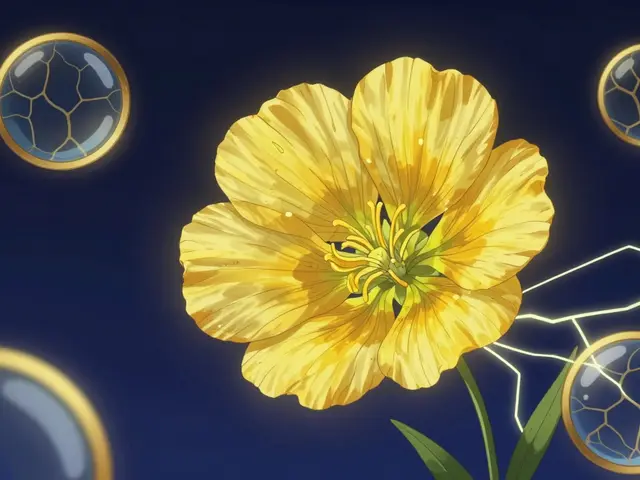
When people talk about Strophanthus supplement, a plant-derived substance historically used for heart conditions, primarily from the seeds of African plants like Strophanthus gratus and Strophanthus kombe. Also known as Strophanthus glucoside, it's one of the oldest known cardiac glycosides—chemicals that affect heart muscle contraction. Unlike digitalis from foxglove, which is still used in modern medicine under strict control, Strophanthus is mostly found today in herbal or alternative health markets, often promoted for heart support or energy. But here’s the catch: there’s almost no reliable clinical data backing its use in humans today.
It’s important to understand that cardiac glycosides, a class of compounds that slow heart rate and increase the force of each beat, are powerful drugs—not casual supplements. Even digoxin, a purified version of digitalis, requires careful dosing and monitoring. Strophanthus contains similar compounds, meaning it carries the same risks: irregular heartbeat, nausea, confusion, and in severe cases, death. It’s not a gentle herbal tea. It’s a potent substance that interacts with your heart’s electrical system, and that’s not something to experiment with without medical supervision.
Some people turn to digitalis alternatives, natural or herbal options promoted as safer heart support like Strophanthus because they distrust pharmaceuticals or want a "natural" solution. But natural doesn’t mean safe. In fact, many herbal products lack standardization—meaning one bottle might have 10 times the active ingredient of another. That’s why you won’t find Strophanthus approved by the FDA, EMA, or any major health authority for treating heart disease. The few studies that exist are old, small, or done on animals. There’s no modern trial proving it helps people live longer, feel better, or reduce hospital visits.
So why does it still show up in supplements? Partly because of tradition. In parts of Europe and Africa, it was used for decades before modern drug regulation. Partly because of marketing—labels say "heart tonic" or "natural cardiovascular support," which sounds harmless. But if you have heart failure, high blood pressure, or are on blood thinners, beta-blockers, or diuretics, mixing Strophanthus with your meds could be dangerous. It can amplify side effects, cause toxic buildup, or trigger arrhythmias.
You’ll find posts here that break down how real heart medications work, what alternatives actually have science behind them, and how to spot misleading claims about herbal products. We’ve covered how drugs like digoxin are monitored, how herbal supplements like Septilin or Ashwagandha are compared for immune support, and why dosing precision matters with liquid meds. The same level of caution applies here. If your heart is involved, don’t guess. Don’t rely on anecdotal stories. And don’t assume something labeled "natural" is safe.
What you’ll find below are clear, evidence-based comparisons of real heart medications, how they work, what they’re used for, and what you should know before trying anything else. Strophanthus might sound like a simple herbal fix, but your heart doesn’t work that way. Let’s look at what actually works—and what doesn’t.
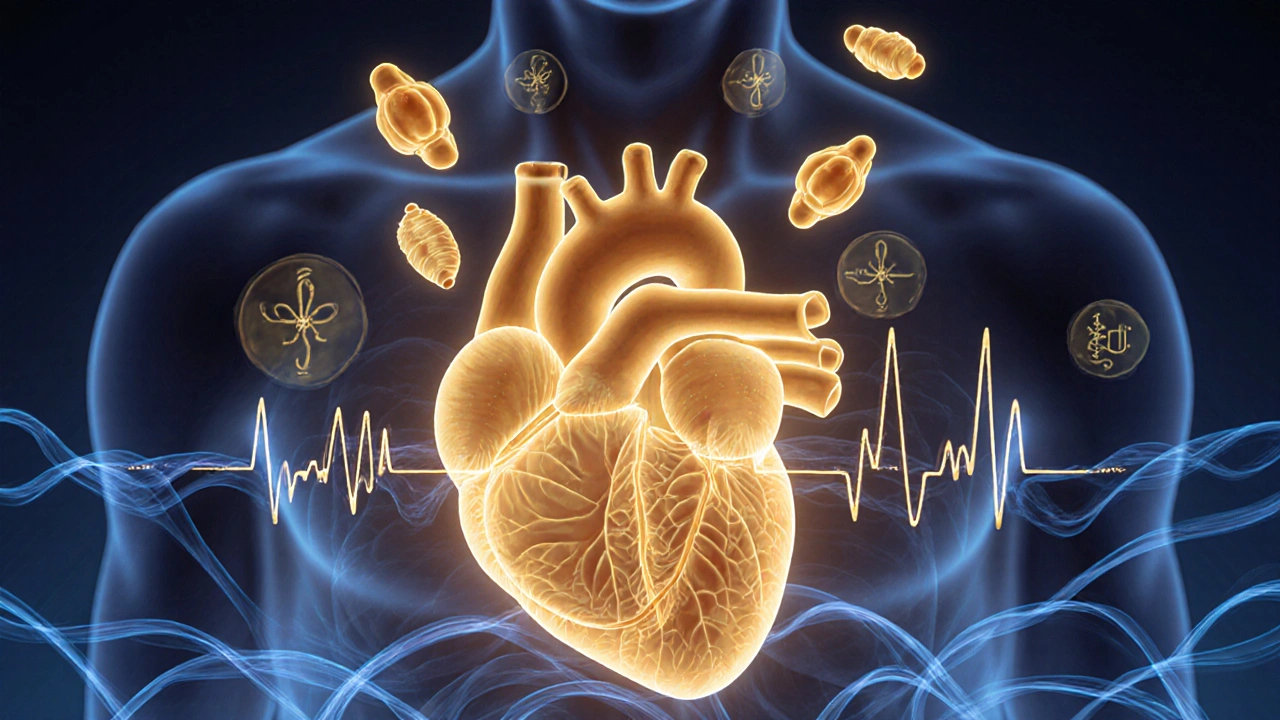
Discover the Amazing Health Benefits of Strophanthus Dietary Supplement
Strophanthus is a natural plant-based supplement with proven benefits for heart health, energy, and brain function. Learn how its active compound ouabain supports circulation, reduces fatigue, and offers a safer alternative to synthetic heart drugs.