Medication Safety in 2025: Antibiotics, Biosimilars, and Pregnancy Risks
When it comes to medication safety, the practice of using drugs correctly to avoid harm, errors, and long-term side effects. Also known as drug safety, it’s not just about taking pills as directed—it’s about understanding what’s in them, who they affect, and when they’re truly needed. In November 2025, we dug into real-world risks that most people overlook: how overused antibiotics wreck your gut, why generic pills might trigger allergies you didn’t know you had, and what happens when you mix garlic supplements with blood thinners.
antibiotic stewardship, the careful, limited use of antibiotics to stop superbugs from forming. Also known as responsible antibiotic use, it’s no longer just a hospital policy—it’s something every patient needs to ask for. Too many people take antibiotics for colds or viral infections, and that’s how C. difficile, a dangerous gut infection caused by antibiotic disruption. Also known as C. diff, it causes severe diarrhea and can be deadly in older adults. We showed how avoiding unnecessary antibiotics protects your microbiome and reduces the chance of life-threatening infections down the line.
biosimilars, lower-cost versions of complex biologic drugs like Humira that work nearly identically. Also known as biologic generics, they’re not the same as regular generics—because they’re made from living cells, not chemicals. Even though they can cut patient costs by 23% and list prices by up to 85%, many doctors and insurers still don’t push them. We explained why that’s costing people thousands, and how reporting adverse events helps track their safety over time.
And if you’re pregnant or planning to be, pregnancy medications, drugs that can affect fetal development and trigger birth defects. Also known as teratogenic risks, they’re not always obvious. Acetaminophen isn’t risk-free, NSAIDs can cause serious problems after week 20, and even common supplements like Strophanthus have unknown effects on fetal heart development. We broke down what’s safe by trimester and what to do if you took something risky before knowing you were pregnant.
It’s not just about pills. kidney disease dosing, adjusting medication amounts based on how well your kidneys filter drugs. Also known as renal dosing, it’s a hidden danger for millions. Many people with chronic kidney disease keep taking the same doses they always did—until they end up in the hospital from drug buildup. We covered which drugs to avoid, how to read your eGFR numbers, and why apixaban often beats warfarin in moderate kidney disease.
And if you’re on blood thinners, you need to know that garlic supplements aren’t harmless. Neither are benzodiazepines for seniors—those can cause memory loss and falls. Liquid medicine labels? Most people measure wrong. And when it comes to GERD turning into Barrett’s esophagus, early screening saves lives.
This collection isn’t about theory. It’s about what you can do tomorrow. Whether you’re managing diabetes with linagliptin, reading a prescription label for your child, or wondering if your generic pill is safe, the answers are here. No jargon. No fluff. Just what matters for your health—and your family’s.

Antibiotic Stewardship: How to Prevent Resistance and Protect Your Gut Health
Antibiotic stewardship means using antibiotics only when necessary to prevent resistance and protect gut health. Learn how overuse leads to C. diff, superbugs, and long-term harm-and what you can do to help.

Excipients in Generics: How Inactive Ingredients Affect Tolerance and Safety
Generic medications may contain different inactive ingredients than brand-name versions, which can trigger allergic reactions or intolerance in sensitive individuals. Learn how excipients like lactose, dyes, and preservatives affect tolerance-and what you can do about it.
Replicate Study Designs: Advanced Methods for Bioequivalence Assessment
Replicate study designs are essential for assessing bioequivalence of highly variable drugs, reducing sample sizes and improving success rates. Learn how FDA and EMA guidelines, statistical methods, and operational strategies impact BE study outcomes.

Acetaminophen and NSAIDs in Pregnancy: What You Need to Know by Trimester
Learn when it's safe to take acetaminophen and NSAIDs during pregnancy. Discover trimester-specific risks, FDA guidelines, and what to do if you've already taken a risky medication.

Pregnancy and Medications: What You Need to Know About Teratogenic Risks and Birth Defects
Learn what medications can cause birth defects during pregnancy, which ones are safest, and how to make informed choices. Understand teratogenic risks, acetaminophen debates, and expert guidelines for medication use in pregnancy.
Questions to Ask Your Pharmacist About Prescription Medications
Learn the essential questions to ask your pharmacist about prescription medications to avoid errors, reduce side effects, save money, and stay safe. Expert-backed tips for better medication use.

International Substitution Laws: How Global Courts Handle Bulk Legal Transfers
Global Substitution Orders (GSOs) let debt buyers replace creditors in thousands of court cases at once. Learn how the UK, EU, and U.S. handle legal substitution, the costs, risks, and why this system is reshaping international debt recovery.
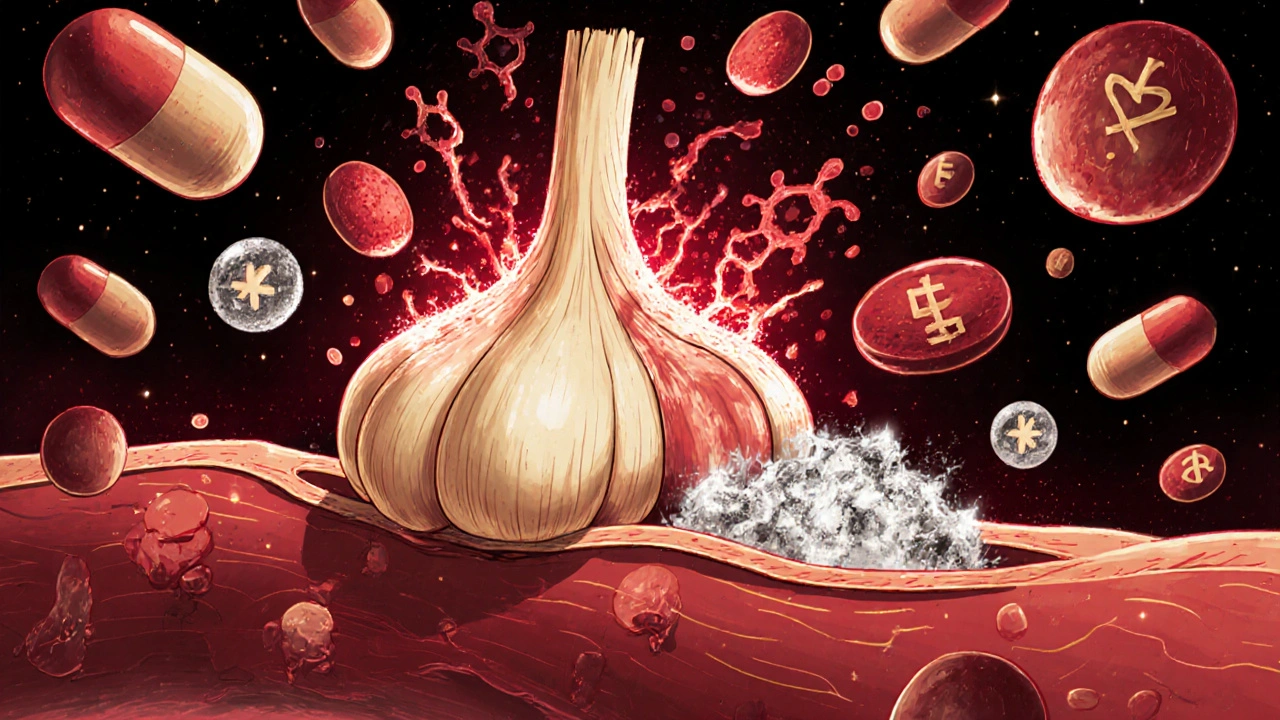
Garlic Supplements and Anticoagulants: What You Need to Know About Bleeding Risk
Garlic supplements can dangerously increase bleeding risk when taken with blood thinners like warfarin or apixaban. Learn the safe limits, when to stop before surgery, and which supplements are most risky.

Benzodiazepines: Memory Loss, Fall Risks, and Safe Tapering Strategies
Benzodiazepines can cause lasting memory loss, increase fall risk in older adults, and lead to difficult withdrawal. Learn how to safely taper off and what to expect during recovery.

Atrial Fibrillation: Rate vs. Rhythm Control and Stroke Prevention
Atrial fibrillation increases stroke risk fivefold. Learn how rate control and rhythm control differ, who benefits from each, and why early rhythm control is now recommended for many patients to prevent death and hospitalization.