Bleeding Risk: What Medications Increase It and How to Stay Safe
When you take a blood thinner, a medication designed to prevent dangerous clots, you’re trading one risk for another: less chance of a stroke or heart attack, but more chance of serious bleeding. This trade-off isn’t theoretical—it happens every day. A 72-year-old man on warfarin for atrial fibrillation might fall and bruise badly. A 58-year-old woman taking apixaban for a past clot might start bleeding after a dental procedure. These aren’t rare cases. Anticoagulation, the medical use of drugs to slow blood clotting is one of the most common, most dangerous, and most misunderstood treatments in modern medicine.
Bleeding risk isn’t just about the drug you’re on. It’s also about your kidneys, your liver, and what else you’re taking. Kidney disease, a condition where kidneys can’t filter blood properly changes how your body handles drugs like rivaroxaban or dabigatran. If your eGFR drops below 30, those drugs can build up and turn a minor nosebleed into a life-threatening event. Same with liver disease, when the liver can’t process medications or make clotting factors. DOACs, once thought to be safer for everyone, become risky in advanced cirrhosis. And don’t forget drug interactions. Taking aspirin with clopidogrel? That’s a double hit. Mixing NSAIDs like ibuprofen with warfarin? That’s asking for trouble. Even common supplements like fish oil or garlic can bump up your bleeding risk quietly, without warning.
It’s not just about avoiding bad combinations. It’s about knowing when to pause, when to test, and when to ask your doctor for a different option. A patient with mild kidney disease might do better on apixaban than rivaroxaban. Someone with a history of stomach ulcers might need a proton pump inhibitor alongside their blood thinner. And if you’re heading into surgery, your doctor should know exactly what you’re taking—not just the prescription, but the herbal tea, the fish oil capsules, the daily aspirin you think is "harmless."
What you’ll find in the posts below isn’t theory. It’s real-world guidance from people who’ve seen the fallout. You’ll read about how bleeding risk changes when you have atrial fibrillation, kidney failure, or liver damage. You’ll learn why some blood thinners are safer than others in specific conditions. You’ll see how pharmacists catch dangerous mixes before they happen. And you’ll get clear, no-nonsense tips on what to ask, what to watch for, and when to act—before it’s too late.
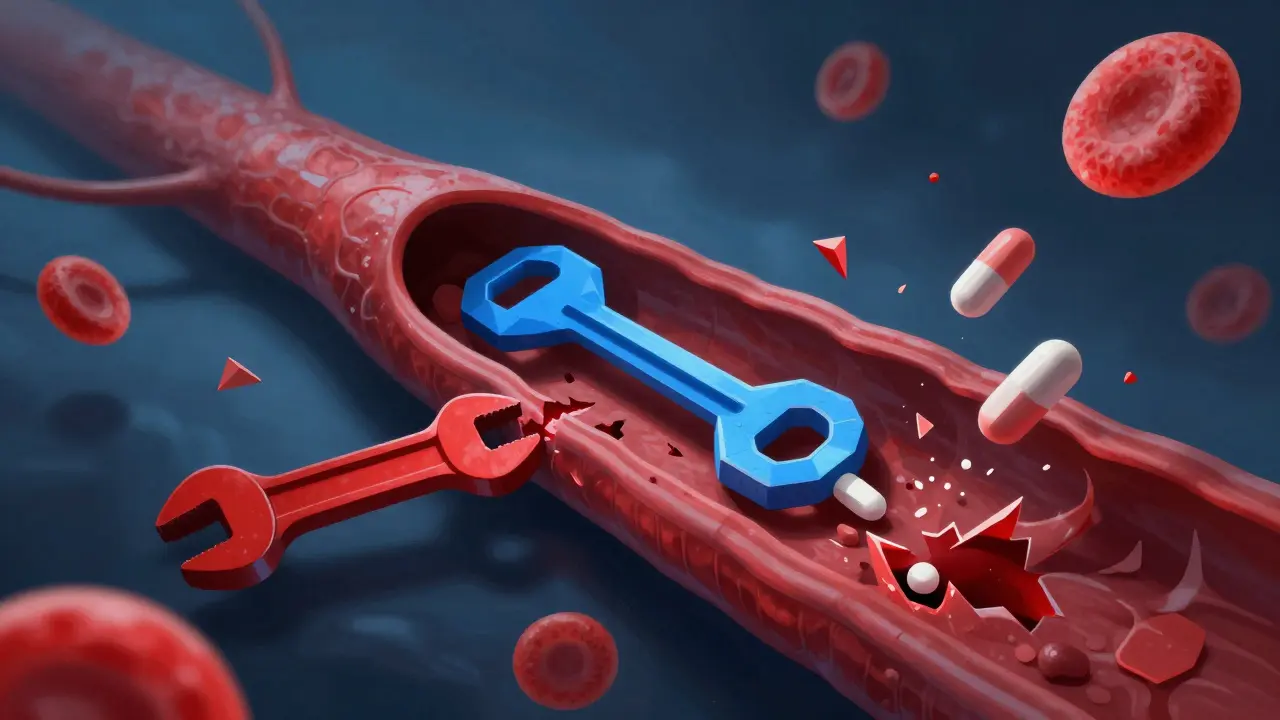
Warfarin and NSAIDs: Understanding the Increased Bleeding Risk
Combining warfarin and NSAIDs significantly increases bleeding risk. This article explains why, covering mechanisms, real-world data, and safer alternatives. Learn how to manage pain while on blood thinners without dangerous complications.
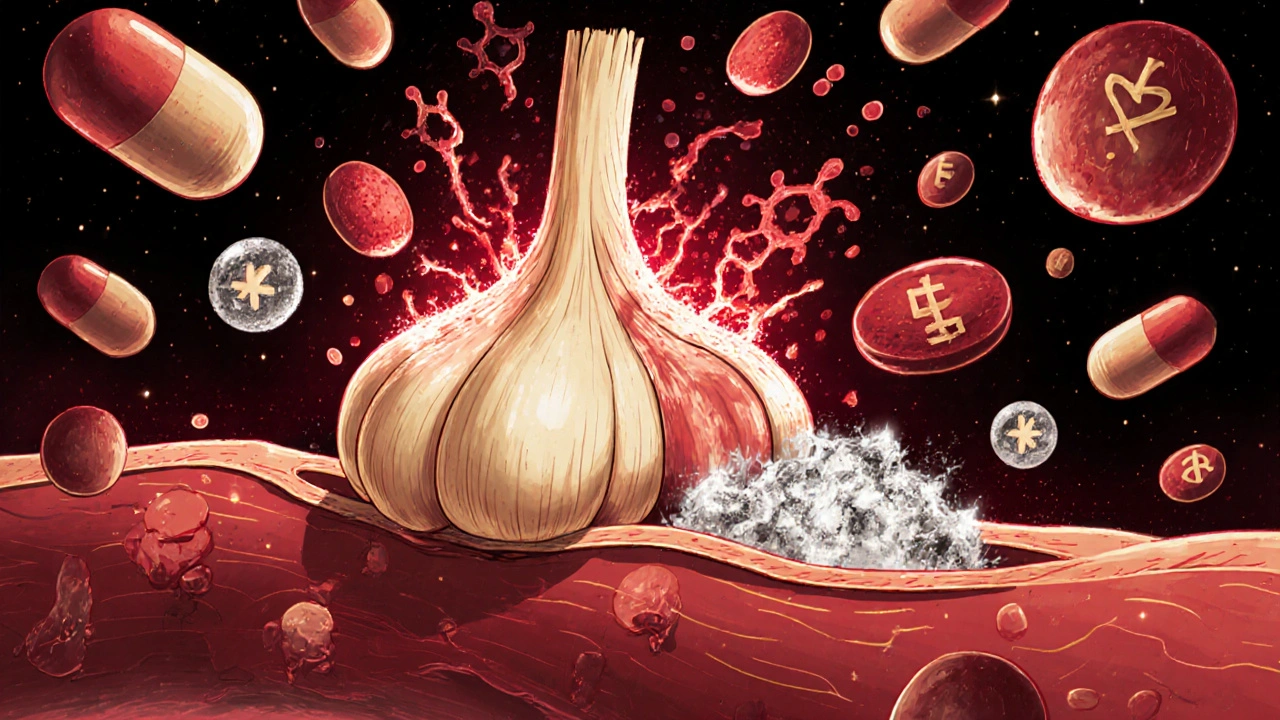
Garlic Supplements and Anticoagulants: What You Need to Know About Bleeding Risk
Garlic supplements can dangerously increase bleeding risk when taken with blood thinners like warfarin or apixaban. Learn the safe limits, when to stop before surgery, and which supplements are most risky.