Bleeding Side Effects: What Medications Can Cause It and How to Stay Safe
When a medication causes bleeding side effects, unintended or excessive blood loss that isn’t from injury. Also known as hemorrhagic adverse reactions, it can happen quietly—like nosebleeds that won’t stop, bruising without cause, or blood in stool—and turn dangerous fast. This isn’t rare. Thousands of people end up in emergency rooms every year because they didn’t realize their daily pill, supplement, or herb was thinning their blood.
One of the biggest culprits is anticoagulants, drugs like warfarin, apixaban, or rivaroxaban that prevent dangerous clots. But here’s the catch: they don’t just affect people on blood thinners. Even common garlic supplements, often taken for heart health or immune support, can boost bleeding risk when mixed with these drugs. Same goes for fish oil, ginkgo, and even high-dose vitamin E. These aren’t "natural" loopholes—they’re real drug interactions that doctors see daily. And if you’re on one of these, a simple dental cleaning or minor surgery could turn into a medical emergency if your provider doesn’t know what you’re taking.
It’s not just about what you add—it’s about what you already take. Medications for heart rhythm, depression, or even high blood pressure can interfere with how your body handles blood thinners. For example, some antibiotics can make warfarin stronger, while others weaken it. Liver or kidney disease changes how these drugs are processed, making bleeding more likely even at normal doses. Older adults are especially vulnerable because their bodies clear drugs slower, and they often take multiple meds at once. That’s why it’s not enough to just know your diagnosis—you need to know every pill, capsule, and herbal drop in your cabinet.
There’s no magic checklist, but there are simple steps. Keep a written list of everything you take—prescriptions, over-the-counter drugs, vitamins, and supplements. Bring it to every doctor’s visit, even if you think it’s "not important." Ask your pharmacist: "Could this make me bleed more?" If you notice unexplained bruising, pink urine, black stools, or headaches with vision changes, don’t wait. Call your provider. Bleeding side effects don’t always come with warning signs, but they almost always come with preventable causes.
The posts below dig into exactly this—real cases, real risks, and real fixes. You’ll find out which herbs are riskiest with blood thinners, how kidney disease changes your bleeding danger, why generics can sometimes trigger unexpected reactions, and how to talk to your doctor before surgery. No fluff. Just what you need to know to stay safe while taking the meds you need.
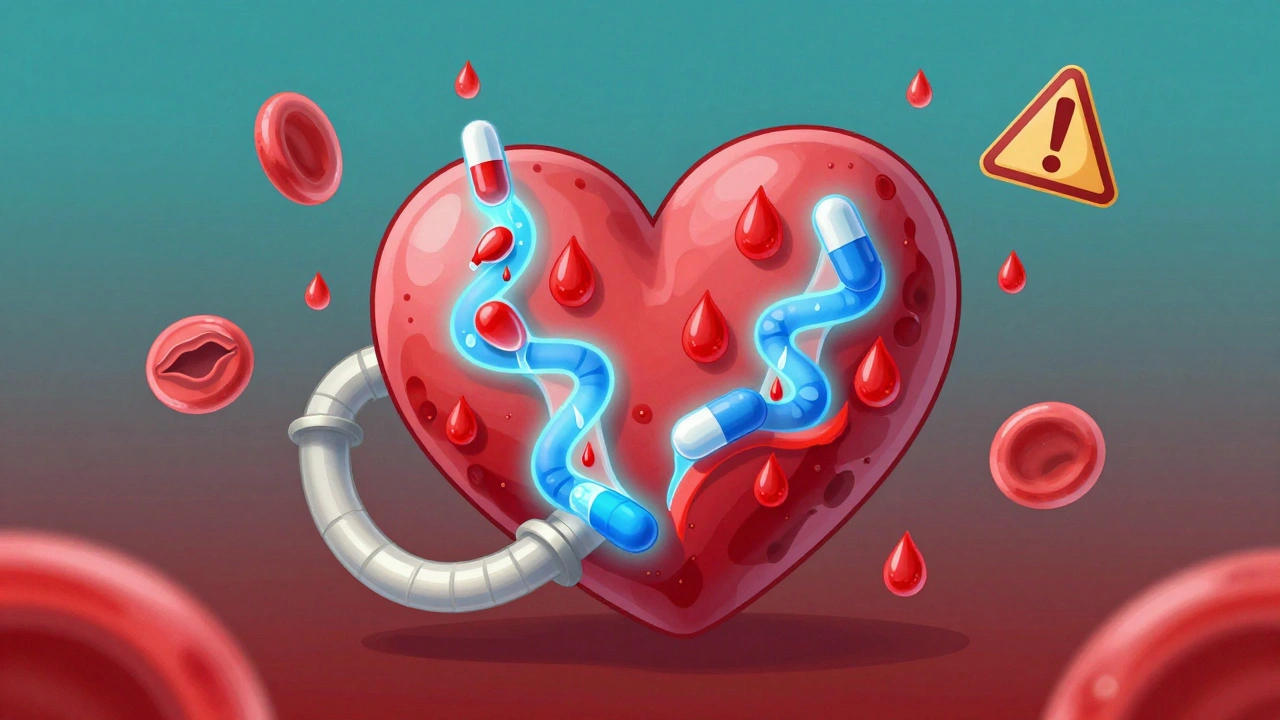
Dual Antiplatelet Therapy: How to Manage Bleeding Risks After Heart Stent Surgery
Learn how to manage bleeding risks with dual antiplatelet therapy after a heart stent. Discover safer alternatives, when to shorten treatment, and what to do if you start bleeding.