GSOs: What They Are and Why They Matter in Medication Safety
When you take a medication, you’re trusting a system designed to catch problems before they hurt you. That system includes GSOs, Government Safety Observers who monitor drug risks after approval. Also known as pharmacovigilance systems, they track side effects, drug interactions, and unexpected reactions in real patients—not just in clinical trials. These aren’t just paperwork. GSOs are the reason we know garlic supplements can spike bleeding risk with blood thinners, or why benzodiazepines increase fall chances in older adults. They turn patient reports into action.
Behind every warning about kidney-safe dosing, every alert on HRT interactions, or every update on biosimilar safety, there’s a GSO network collecting data. When someone reports a memory issue after taking a benzodiazepine, or a liver problem after using a DOAC, that detail gets logged, analyzed, and shared. It’s how we learned apixaban is often safer than warfarin in moderate kidney disease, or why pimecrolimus works better in combo therapy for eczema. GSOs don’t just react—they shape guidelines. They’re why you now ask your pharmacist about liquid dose measurements or check if your diabetes drug causes weight gain. These aren’t random tips. They’re direct results of safety monitoring.
What you’ll find here isn’t just a list of articles. It’s a map of how medication safety actually works in the real world. From biosimilar adverse event reporting to how to read a prescription label correctly, every post ties back to one thing: protecting you from hidden risks. You’ll see how GSOs connect to drug switches, herb interactions, and even why some generics are misunderstood. There’s no fluff. Just what matters: what works, what doesn’t, and what you need to know before your next pill.
International Substitution Laws: How Global Courts Handle Bulk Legal Transfers
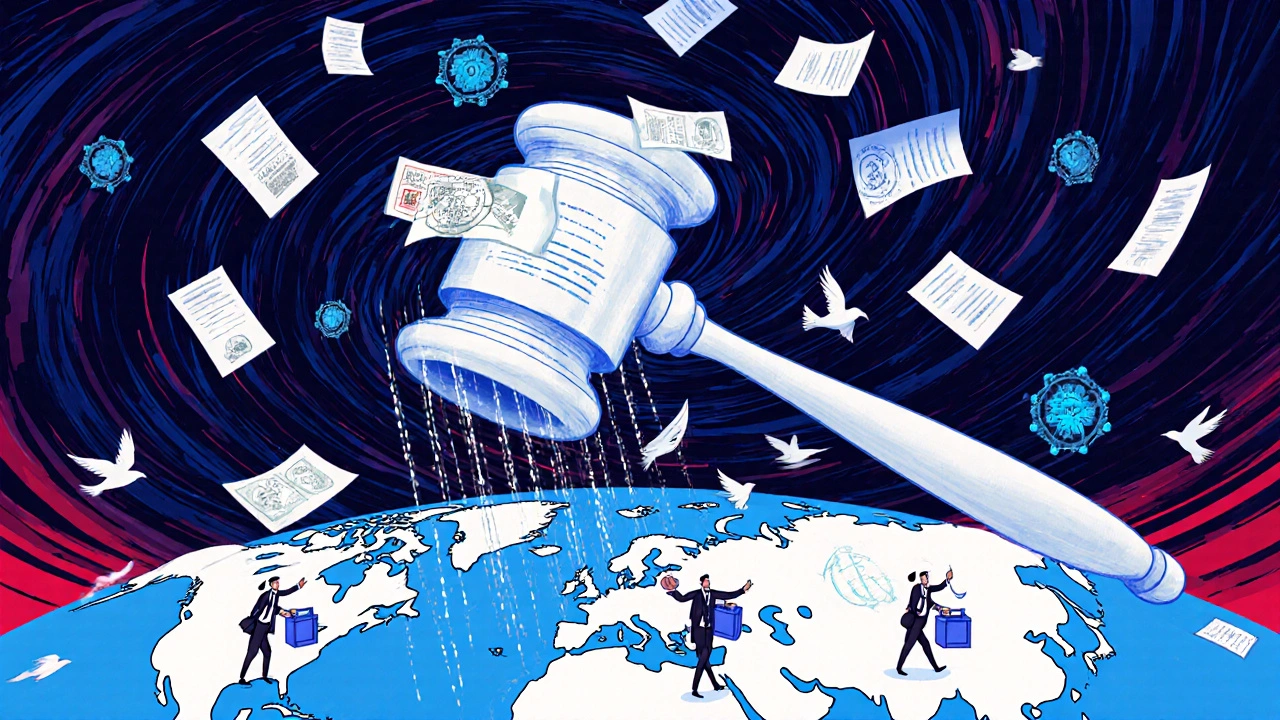
Global Substitution Orders (GSOs) let debt buyers replace creditors in thousands of court cases at once. Learn how the UK, EU, and U.S. handle legal substitution, the costs, risks, and why this system is reshaping international debt recovery.