International Substitution Laws: What You Need to Know About Drug Switching Rules
When you pick up a prescription, the pharmacist might give you a different brand than what your doctor wrote. That’s not a mistake—it’s international substitution laws, rules that let pharmacists swap brand-name drugs for cheaper generics or biosimilars under specific conditions. Also known as drug interchangeability policies, these laws exist to cut costs without risking your health. But here’s the catch: these rules aren’t the same everywhere. In the U.S., a pharmacist can often switch to a generic if it’s approved as bioequivalent. In Germany, they must ask you first. In Japan, substitution is rare unless the doctor approves it. These differences aren’t just paperwork—they directly affect whether you get the same effect, side effects, or even the same pill shape.
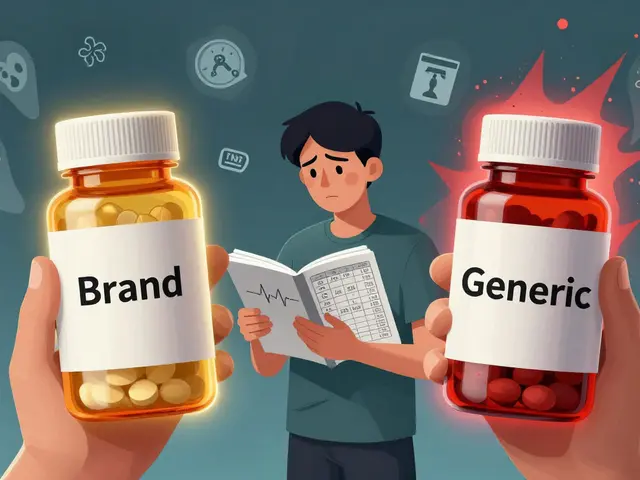
Behind every substitution is a chain of decisions involving generic drugs, lower-cost versions of brand-name medications that contain the same active ingredient, biosimilars, complex, biologically derived drugs that mimic expensive biologics like Humira but aren’t exact copies, and pharmacy regulations, local laws that determine who can make the switch and when. Not all generics are treated equally. A generic for high blood pressure might be swapped without a second thought, but a biosimilar for rheumatoid arthritis? That’s often a different story. Some countries require doctors to write "dispense as written" on the prescription to block substitution. Others let pharmacists decide unless the patient objects. And in places like Canada or Australia, substitution is common only if the drug is on a government-approved interchangeability list.
Why does this matter to you? Because switching drugs—even for something that seems identical—can change how your body reacts. One study found that patients on certain epilepsy drugs had more seizures after an automatic switch. Another showed that people on insulin or blood thinners needed extra monitoring after a substitution. These aren’t edge cases. They’re why international substitution laws exist: to balance cost savings with safety. The rules aren’t perfect, but they’re designed to protect you from hidden risks. If you’re traveling, moving countries, or just getting a refill and seeing a different pill, know your rights. Ask your pharmacist: "Is this a substitution?" and "Is it approved under local rules?"
Below, you’ll find real-world examples of how these rules play out in daily care—from biosimilar cost savings to how kidney disease changes substitution options. These aren’t theoretical debates. They’re decisions that affect your wallet, your health, and your trust in the system.

International Substitution Laws: How Global Courts Handle Bulk Legal Transfers
Global Substitution Orders (GSOs) let debt buyers replace creditors in thousands of court cases at once. Learn how the UK, EU, and U.S. handle legal substitution, the costs, risks, and why this system is reshaping international debt recovery.