Adverse Event Reporting: What You Need to Know About Drug Safety
When you take a new medication, you trust it will help—not hurt. But sometimes, drugs cause unexpected reactions. That’s where adverse event reporting, the system that collects and analyzes harmful side effects from medications. Also known as pharmacovigilance, it’s how doctors, patients, and drug companies spot dangers that didn’t show up in clinical trials. This isn’t just paperwork—it’s a lifeline for public health.
Every time someone has a bad reaction to a drug—whether it’s a rash, liver damage, or sudden dizziness—that incident should be reported. These reports go into big databases used by the FDA, the U.S. agency that oversees drug safety and approves medications, and similar groups around the world. Without this data, dangerous side effects might go unnoticed for years. For example, a drug that causes heart rhythm problems might only show up after thousands of people use it. One report might seem small, but thousands together? That’s how a hidden risk becomes a warning.
Patients don’t need to be experts to report. If you notice something unusual after starting a new pill—like fatigue that won’t go away, strange bruising, or mood swings—you can tell your doctor, call the drugmaker, or file a report directly. Doctors and pharmacists do this too, but your voice matters. The pharmacovigilance, the ongoing monitoring of drug safety after approval system only works if people speak up. And when they do, it leads to changes: updated warning labels, dosage adjustments, or even drug withdrawals.
The posts you’ll find here cover real-world cases where adverse event reporting made a difference. You’ll see how liquid medication errors led to safety updates, how hormone therapies interact dangerously with other drugs, and why switching from prescription to over-the-counter meds needs careful tracking. These aren’t theoretical discussions—they’re stories of real people, real reactions, and real fixes. Whether you’re on long-term meds, managing chronic conditions, or just curious about how drugs are monitored, this collection gives you the facts you need to stay safe and informed.

How to Access FDA Adverse Event Databases for Safety Monitoring
Learn how to access and use the FDA's FAERS database for drug safety monitoring. Discover free tools, common pitfalls, and how real-world data helps identify hidden side effects.
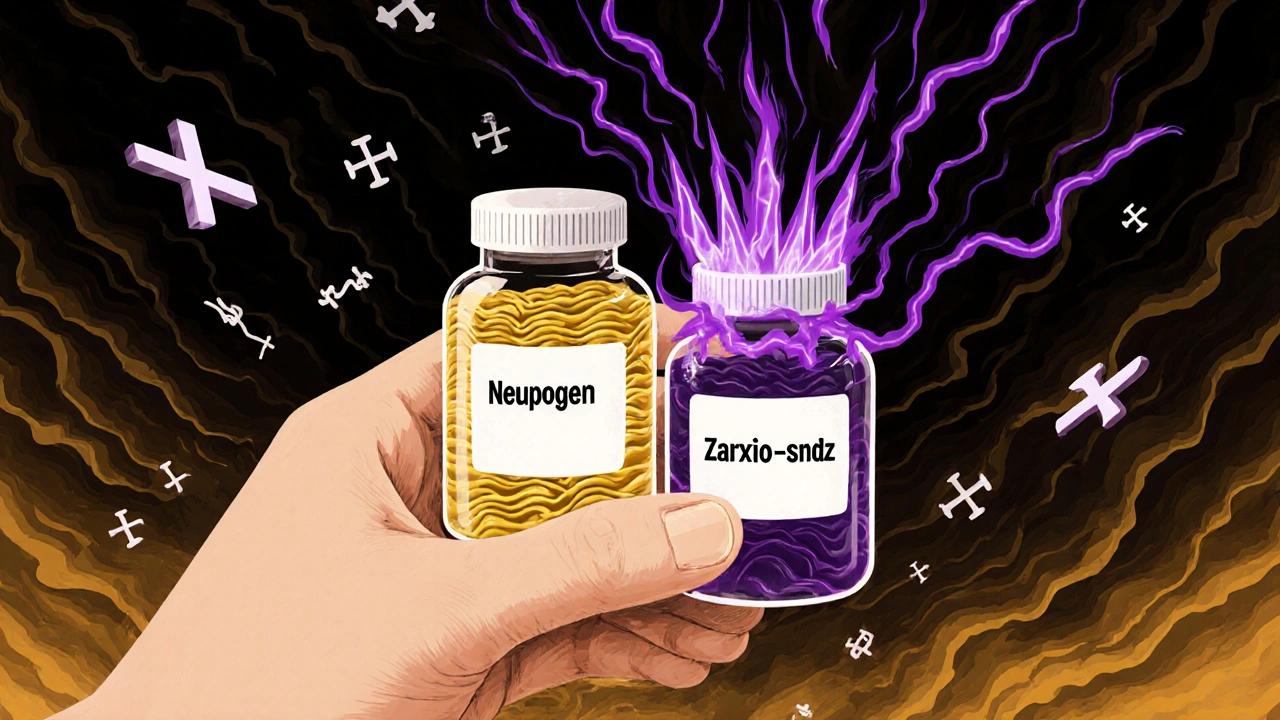
Adverse Event Monitoring for Biosimilars: How Safety Surveillance Works in Real-World Use
Biosimilars aren't like generics - they need specialized safety tracking. Learn how adverse event monitoring works, why reporting matters, and what patients and providers can do to ensure safe use.