Highly Variable Drugs: What They Are and Why They Matter for Your Health
When a drug is called highly variable drugs, medications whose absorption, metabolism, or effect differs widely between individuals, it means your body might handle it completely differently than someone else’s—even if you’re taking the same dose. This isn’t about being "special" or "weird." It’s biology. Factors like genetics, liver function, gut health, age, and even what you ate for breakfast can turn a life-saving dose into a useless one—or worse, a dangerous one. These drugs don’t follow the rules. They’re unpredictable. And if you’re on one, you need to know why.
One of the biggest reasons highly variable drugs, medications whose absorption, metabolism, or effect differs widely between individuals exist is because of how your body breaks them down. Drug metabolism, the process by which the body chemically alters a drug to make it easier to eliminate relies heavily on liver enzymes, especially CYP450. Some people have fast versions of these enzymes; others have slow ones. That’s why two people taking the same amount of warfarin can have wildly different blood thinning effects. Same with antidepressants, seizure meds, and even some painkillers. Then there’s bioavailability, the portion of a drug that enters circulation and becomes active in the body. A generic version might have the same active ingredient, but if the excipients—like lactose or fillers—are different, your body might not absorb it the same way. That’s not a flaw in the generic. It’s a reality of how complex human biology is.
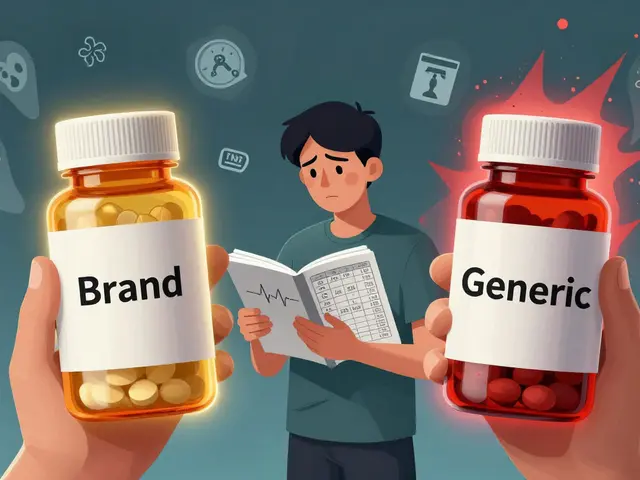
These aren’t just theoretical concerns. People end up in the ER because they took a "same dose" of a highly variable drug and got too much—or too little. That’s why pharmacists ask about other meds, supplements, and even your diet. Garlic supplements can mess with blood thinners. Grapefruit juice can turn a normal dose of a statin into a toxic one. Even switching from brand to generic can cause problems if your body is sensitive to small changes in absorption. That’s why questions like "Does this work the same as my old pill?" matter. And why you should never assume two pills with the same name act the same way.
What you’ll find in the posts below isn’t just a list of drugs. It’s a practical guide to the hidden risks and real-world choices you face when your body doesn’t respond like the textbook says it should. From how highly variable drugs affect pregnancy safety to why some people can’t tolerate generics, these articles cut through the noise. You’ll learn what to ask your doctor, how to spot warning signs, and when to push back on a prescription that just doesn’t feel right. This isn’t about guessing. It’s about understanding your own body’s unique reaction to medication—and taking control before something goes wrong.
Replicate Study Designs: Advanced Methods for Bioequivalence Assessment
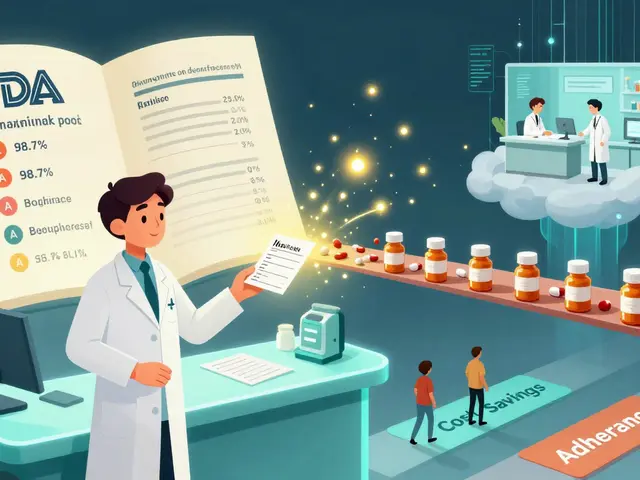
Replicate study designs are essential for assessing bioequivalence of highly variable drugs, reducing sample sizes and improving success rates. Learn how FDA and EMA guidelines, statistical methods, and operational strategies impact BE study outcomes.