You've probably noticed a price drop when your pharmacist switches you from a brand-name medication to a generic version. For most of us, it's a win-win: the same medicine for a fraction of the cost. But have you ever switched generics and suddenly felt like the drug just wasn't working as well, or started experiencing weird side effects that weren't there before? You aren't imagining it. While the active ingredients are identical, the "recipe" surrounding those ingredients-the inactive components-can vary wildly, especially in generic combination drugs where two or more medications are packed into one pill.
| Feature | Brand Name | Standard Generic | Authorized Generic |
|---|---|---|---|
| Active Ingredients | Original Formula | Identical | Identical |
| Inactive Ingredients | Consistent | Varies by Manufacturer | Identical to Brand |
| Cost | Highest | Lowest (Avg. 85% less) | Mid-range |
| FDA Bioequivalence | N/A (Original) | Must prove 80-125% AUC/Cmax | Proven identical |
Why "Same Ingredients" Doesn't Always Mean "Same Result"
When we talk about generics, we usually focus on the API, or Active Pharmaceutical Ingredient, which is the specific chemical that treats the condition. In the eyes of the FDA, as long as the generic API matches the brand in strength and quality, and the drug enters the bloodstream at a similar rate, it's considered bioequivalent.
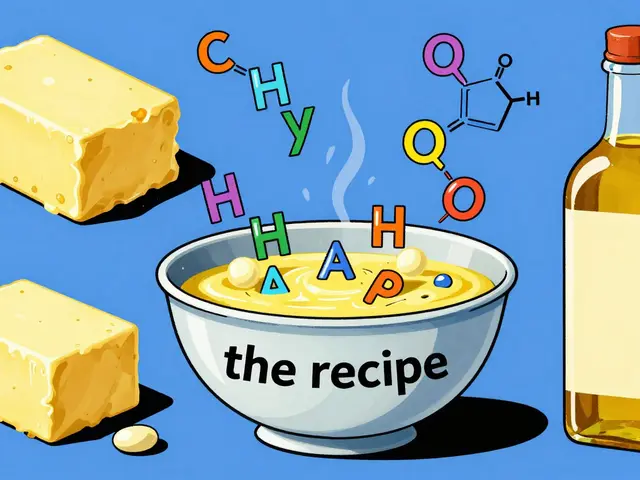
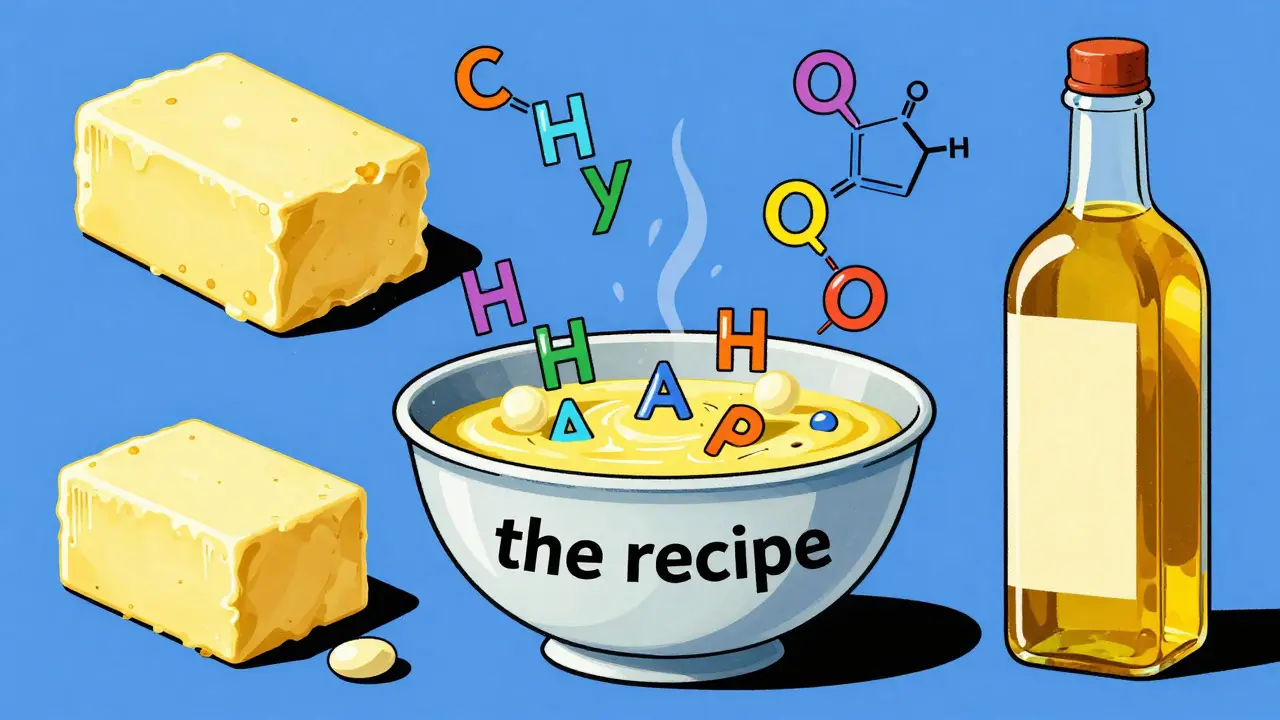
Here is the catch: the fillers, binders, and preservatives-known as inactive ingredients-can be totally different. Think of it like a cake. The flour and sugar (APIs) are the same, but one baker uses butter while another uses oil. For most people, the cake tastes the same. But for someone with a dairy allergy, that difference is everything. In pharmacy, common variants include magnesium stearate, lactose, and microcrystalline cellulose. A study in the Journal of the American Pharmacists Association found that nearly half of generic combination drugs had different inactive profiles than their brand counterparts.
The Danger Zone: Narrow Therapeutic Index Drugs
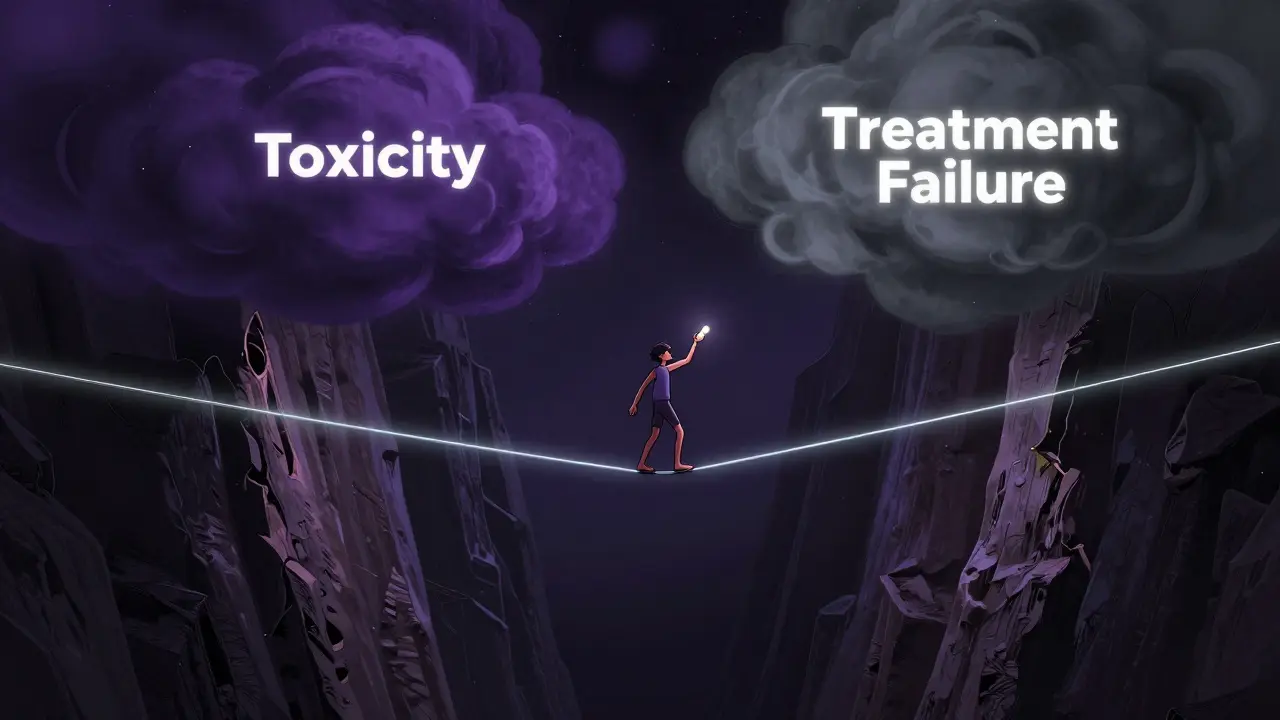
For most drugs, a slight difference in how fast a pill dissolves doesn't matter. However, there is a special class called Narrow Therapeutic Index (NTI) drugs. These are medications where a very small change in the dose or absorption rate can be the difference between a working treatment and a toxic overdose, or complete treatment failure.
If you're taking levothyroxine for your thyroid or an anti-epileptic for seizures, you're in the NTI zone. For example, research in JAMA Internal Medicine showed that over 12% of Medicare patients who switched to generic levothyroxine needed a dosage adjustment because their TSH levels shifted. When you're dealing with combination products-like certain blood pressure or diabetes combos-the complexity doubles. If one component of the combo is an NTI drug, the entire formulation becomes a potential risk point.
Real-World Red Flags and Patient Experiences
The data from clinics and forums paints a clear picture: formulation mismatches aren't just theoretical. On platforms like PatientsLikeMe, about 23% of users reported adverse effects after switching to generic combinations. The biggest complaints usually fall into three buckets:
- Gastrointestinal Distress: Many users of generic combinations like metformin/sitagliptin report stomach issues that they never had with the brand name. This is often due to the specific fillers used to stabilize the two drugs together.
- Reduced Efficacy: In a 2021 analysis, 23% of patients switching from Advair Diskus to generic versions reported needing their rescue inhaler more often. This suggests the drug delivery-how it actually gets into the lungs-wasn't quite the same.
- Allergic Reactions: Skin rashes or itching can occur when a generic manufacturer uses a coloring agent or preservative that the patient is sensitive to, even if the main drug is safe.
How to Navigate the Switch Safely
You don't have to avoid generics entirely-the cost savings are too significant to ignore. Instead, you need a strategy. If you are sensitive to medications or taking NTI drugs, don't just accept any generic. Ask your pharmacist for the Orange Book rating. An "A" rating means the drug is generally therapeutically equivalent. A "B" rating suggests there might be some concerns you should discuss with your doctor.
If you've had a bad experience with a standard generic, ask about Authorized Generics. These are the exact same pills as the brand name, manufactured by the same company, but sold without the brand label. They are slightly more expensive than the cheapest generic but significantly cheaper than the brand, and they eliminate the "recipe" risk entirely.

The Pharmacist's Checklist for Safe Substitution
Professional guidelines, such as USP Chapter <1099>, suggest a rigorous process before swapping a combination drug. If you're talking to your healthcare provider, ensure they are considering these five points:
- The Therapeutic Index: Is this a narrow (NTI) or wide index drug?
- Patient Sensitivity: Do you have a history of reacting to different pill brands?
- Bioequivalence Data: Does the generic's absorption profile match the brand's?
- Inactive Screening: Are there dyes or fillers in the generic that you're allergic to?
- Stability: Is your current condition stable enough to handle a potential minor fluctuation in drug levels?
Implementing this kind of focused assessment has been shown to reduce adverse substitution events by as much as 62%. It's a simple shift from "give me the cheapest version" to "give me the version that works for my body."
Are all generic drugs exactly the same as brands?
No. While the active pharmaceutical ingredients (APIs) must be the same in strength and quality, the inactive ingredients (fillers, binders, and dyes) can vary. For most people, this makes no difference, but for sensitive patients or those on high-risk medications, it can cause different side effects or absorption rates.
What is a "Narrow Therapeutic Index" drug?
An NTI drug is a medication where a very small increase or decrease in the amount of drug in the blood can lead to either a lack of effect or severe toxicity. Examples include warfarin, levothyroxine, and some anti-seizure medications. These require much closer monitoring when switching between brands or generics.
How can I tell if my generic combination is causing a problem?
Keep a log of your symptoms. If you notice new gastrointestinal issues, skin rashes, or a return of symptoms that were previously controlled (like increased shortness of breath with an inhaler) shortly after a pharmacy switch, contact your doctor immediately.
What are authorized generics?
Authorized generics are drugs produced by the original brand manufacturer but sold without the brand name. Because they are identical in every way-including inactive ingredients-to the brand version, they eliminate the risk of formulation-related discrepancies.
Why do some generics have different shapes or colors?
Different manufacturers use different coloring agents and molds. While this doesn't usually affect the drug's performance, the specific dyes used can sometimes trigger allergies in sensitive individuals.
Next Steps for Patients and Caregivers
If you are currently on a combination medication and want to save money without risking your health, start by asking your doctor if your specific drug is considered NTI. If it is, request a "dispense as written" (DAW) order if you cannot afford the brand but need a specific generic manufacturer. If you've already switched and feel off, don't wait-track your symptoms and ask your pharmacist to check the inactive ingredients of the new version against the old one.