BE Assessment: What It Means and Why It Matters for Medication Safety
When you pick up a generic pill, you expect it to work just like the brand-name version. That’s where BE assessment, a regulatory process that compares how quickly and completely a drug enters the bloodstream. Also known as bioequivalence testing, it’s the silent gatekeeper between cheap meds and real health outcomes. If a generic fails BE assessment, it might not dissolve the same way, absorb at the same rate, or deliver the same dose—putting your treatment at risk.
BE assessment isn’t just paperwork. It’s a science-driven check that links directly to your safety. For example, if you’re on warfarin, thyroid meds, or seizure drugs, even small differences in absorption can lead to serious side effects or treatment failure. That’s why regulators like the FDA and EMA require strict BE studies before approving generics. The process measures key numbers—like Cmax (peak concentration) and AUC (total exposure)—to prove the generic matches the original within tight limits. It’s not about ingredients being identical; it’s about how your body handles them. And that’s where excipients, like lactose or dyes, can sneak in and change things, as seen in posts about inactive ingredients, non-active components in pills that affect how drugs dissolve and are absorbed. These aren’t just fillers—they can alter drug release, especially in people with allergies or gut issues.
BE assessment also ties into how doctors and pharmacists make decisions. If a drug has poor bioequivalence data, they might avoid switching you to a cheaper version. That’s why posts on generic medication tolerance, how some patients react differently to generics due to formulation changes matter. They show real-world consequences: someone might feel fine on one brand but get dizzy or nauseous on another, even if both are labeled the same. This isn’t placebo—it’s pharmacokinetics. And when you combine this with kidney or liver disease, as discussed in posts about renal dosing guidelines, how organ function changes how drugs are processed and cleared, the stakes get even higher. A drug that’s safe for most might build up dangerously in someone with reduced kidney function, even if it passed BE testing.
BE assessment doesn’t guarantee perfection, but it’s the best tool we have to ensure consistency. It’s why you can trust a generic for blood pressure or diabetes—but why you should still watch for changes in how you feel after a switch. The posts below dive into exactly these issues: how generics really perform, what hidden factors affect absorption, and how to spot when a switch might not be right for you. You’ll find real cases, expert insights, and practical advice on making smart choices with your meds—no fluff, no guesswork.
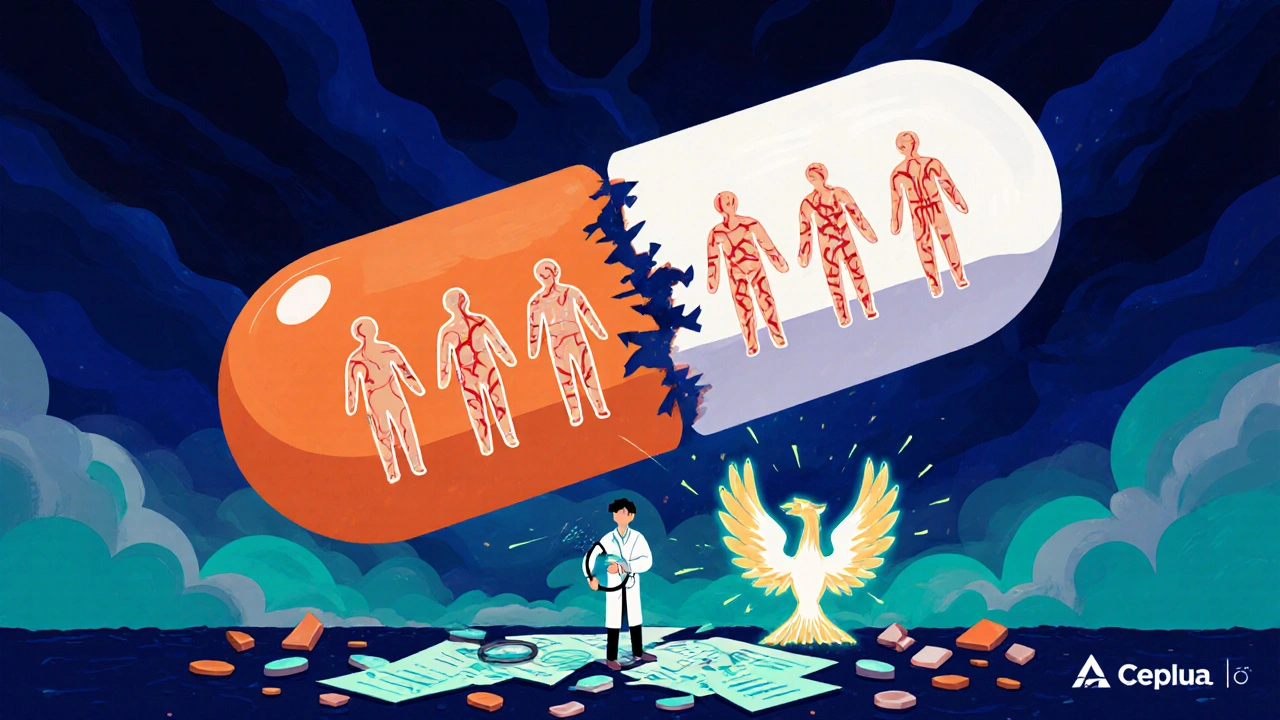
Replicate Study Designs: Advanced Methods for Bioequivalence Assessment
Replicate study designs are essential for assessing bioequivalence of highly variable drugs, reducing sample sizes and improving success rates. Learn how FDA and EMA guidelines, statistical methods, and operational strategies impact BE study outcomes.