
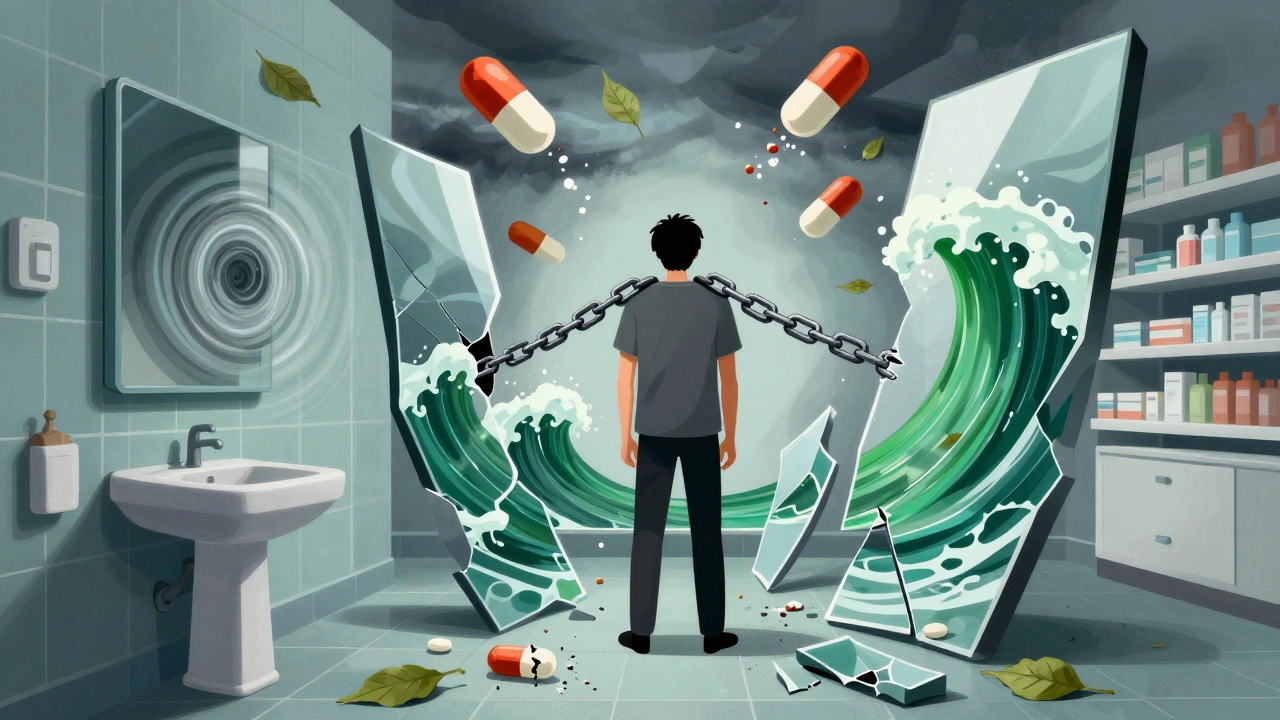
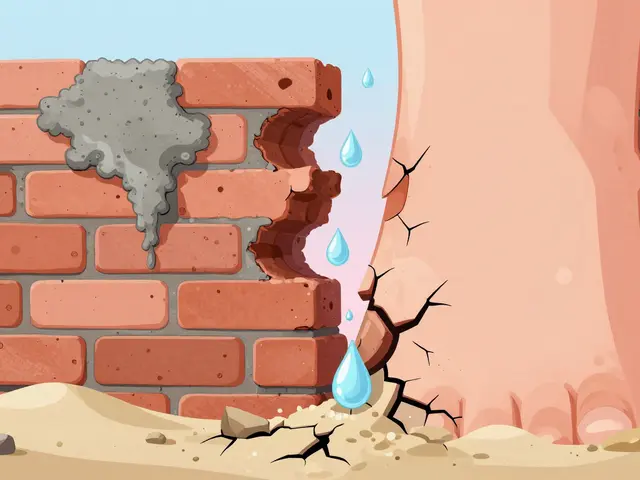
It’s not about forgetting your pills. It’s about medication adherence - and how side effects quietly sabotage it. You take your blood pressure medicine, your antidepressant, your cholesterol drug. You mean to. You know you should. But then comes the dizziness. The nausea. The fatigue. The weird tingling in your hands. Suddenly, skipping a dose doesn’t feel like rebellion - it feels like survival.
Why Side Effects Break Adherence
Medication adherence means taking your drugs exactly as prescribed: right dose, right time, every day. The World Health Organization says 30% to 50% of people don’t do this. That’s not laziness. That’s not ignorance. That’s often side effects.
Think about it: if your statin gives you muscle pain so bad you can’t climb stairs, or your antidepressant makes you feel numb inside, or your diabetes pill causes constant stomach cramps - why would you keep taking it? Especially when the benefits feel distant. You’re not ignoring your health. You’re trying to protect your daily life.
Studies show that people with depression are twice as likely to skip their meds - not because they don’t care, but because the side effects make them feel worse. And once you stop, it’s hard to start again. One study found that after the first prescription, only 25% to 30% of patients are still taking their meds as directed six months later. Side effects are the biggest reason why.
The Real Cost of Skipping Doses
It’s not just about your health. It’s about the system. Nonadherence causes up to 125,000 preventable deaths in the U.S. every year. It leads to 69% of medication-related hospitalizations. And it costs the healthcare system billions.
For chronic conditions like high blood pressure, diabetes, or heart disease, you need to take your meds at least 80% of the time for them to work. But if side effects push you below that, your condition worsens. Your doctor might increase your dose - making side effects worse. Or switch you to another drug - which might cause new ones. It becomes a cycle.
And here’s the hidden part: side effects are often underreported. Patients don’t tell their doctors because they think it’s normal. Or they’re embarrassed. Or they’ve been told before, “Everyone gets that.” But if your pharmacist or doctor doesn’t know you’re struggling, they can’t help.
What Actually Works: Real Strategies That Help
There’s no magic pill for adherence. But there are proven ways to fix it - especially when side effects are the problem.
- Talk to your pharmacist, not just your doctor. Pharmacists are medication experts. They see what you’re taking, how it interacts, and what side effects are common. One study found that pharmacist-led programs increased adherence by up to 40% in just 90 days. They don’t just hand out pills - they ask, “What’s bothering you?”
- Don’t stop cold turkey. If a side effect hits, don’t just quit. Call your provider. Maybe the dose can be lowered. Maybe it’s better taken with food. Maybe a different brand or formulation helps. Some blood pressure meds come in extended-release versions that reduce dizziness. Some antidepressants have less nausea if taken at night.
- Use a pill organizer - but make it smart. Simple pill boxes help. But better ones connect to apps that send alerts, track when you take your meds, and even notify your pharmacist if you miss a dose. Some even have built-in pill dispensers that unlock only at the right time.
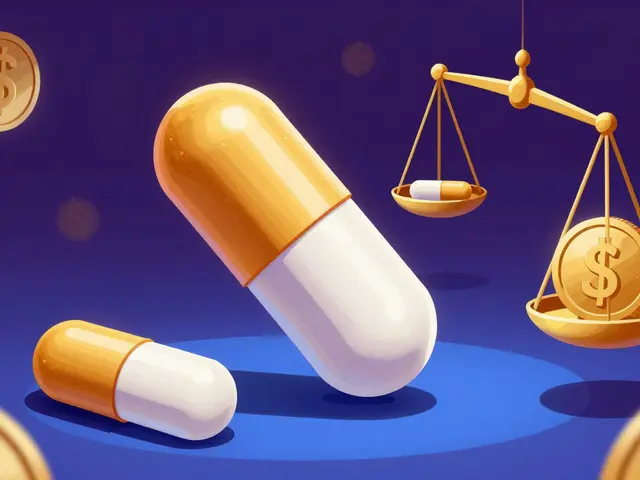
- Ask about cost and access. If you’re skipping doses because the medicine is too expensive, say so. Many drug companies have patient assistance programs. Pharmacists can often find cheaper alternatives or coupons. One study showed that when cost barriers were removed, adherence jumped by 30%.
- Keep a side effect journal. Write down what you feel, when, and how bad it is. Did the dizziness start after lunch? Did the headache come after you skipped breakfast? This gives your doctor real data - not vague complaints.
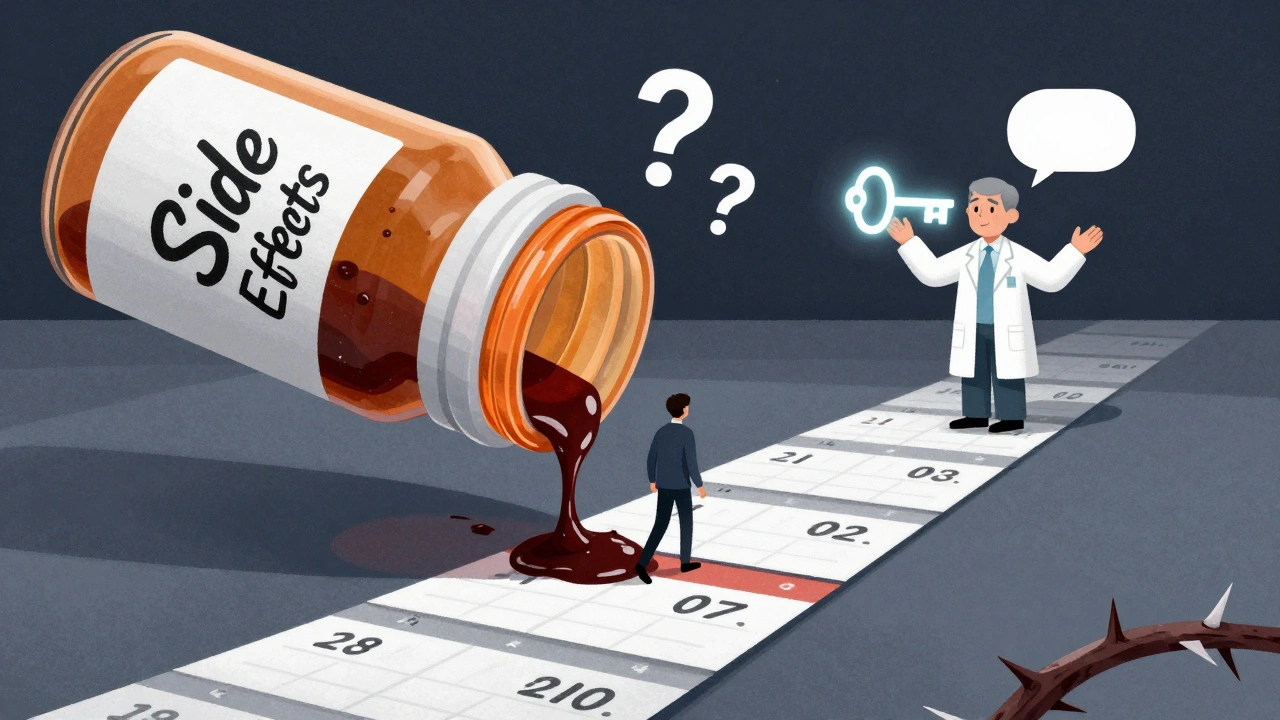
Why Face-to-Face Beats Phone Calls and Texts
Technology helps. But nothing beats talking to someone who listens.
Research shows that face-to-face interventions - like a pharmacist sitting down with you after a hospital discharge - have an 83% success rate in improving adherence. Clinic visits? 47%. Phone calls? 38%. Why? Because when you’re face-to-face, you can see the concern in their eyes. They can read your body language. They can adjust their tone. They don’t just ask, “Are you taking your meds?” They ask, “What’s making it hard?”
One study compared patients who got standard care with those whose pharmacists worked with them to manage side effects. The group with personalized support had 89.3% adherence. The usual care group? 73.9%. That’s not a small difference. That’s life-changing.
What You Can Do Today
You don’t need a perfect system. You need one that works for you.
- Look at your pill bottle. Is it empty? If so, why? Write down the reason.
- Next time you refill, ask your pharmacist: “What are the most common side effects of this? And what can I do if they happen?”
- Set one reminder on your phone - not for the time, but for the question: “How do I feel today?”
- If you’ve skipped doses because of side effects, tell your doctor this week. Don’t wait for your next appointment.
- Find one person - a friend, a family member, a support group - who knows what you’re taking and can ask you, “Did you take your meds today?”
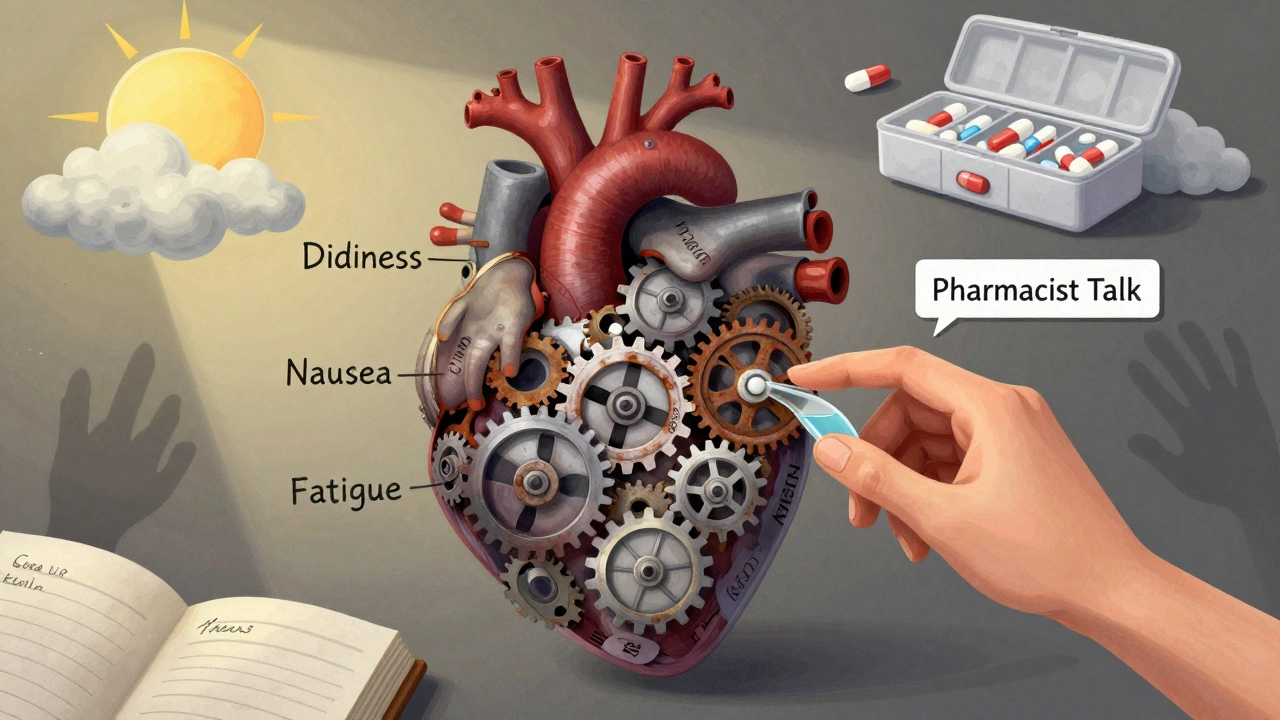
It’s Not Just About Pills - It’s About Control
When side effects take over, you feel powerless. You think the medicine is controlling you, not helping you. But adherence isn’t about obedience. It’s about reclaiming control.
Every time you take your pill, you’re saying: “I’m not letting this disease win.” But you can’t do that alone. You need a team - your doctor, your pharmacist, maybe your family. And you need to speak up.
Side effects aren’t a sign you’re failing. They’re a signal - and signals can be fixed. Medication adherence isn’t about being perfect. It’s about being persistent. And with the right support, you can stay on track - even when the pills make you feel awful.
When to Ask for Help
If you’ve missed more than two doses in a week - or if side effects are making you feel worse than your condition - it’s time to reach out. Don’t wait until you’re in the ER. Call your pharmacist. Text your doctor. Call a helpline. You’re not being a burden. You’re being smart.
Healthcare is shifting. More systems now track adherence as a quality metric. That means your pharmacist might reach out to you - even if you didn’t ask. But don’t wait for them to find you. Find them first.
Medication adherence isn’t a personal failure. It’s a system problem - and it’s fixable. You just need to know how, and who to ask.

14 Comments
Been on statins for 5 years. Muscle pain got so bad I could barely walk the dog. Told my doc, they said 'it's common.' I switched to red yeast rice after some research. No more pain, LDL down. Not saying it's for everyone, but don't let them gaslight you into suffering.
/p>Yessss this is so real 😭 I took my antidepressant for 3 weeks and felt like a robot walking through wet cotton. Told my doctor, they just upped the dose. I quit. Now I meditate and walk 5 miles a day. My anxiety? Better than when I was on pills. Sometimes the cure is worse than the disease.
/p>So let me get this straight. The system is broken because people don’t want to feel like zombies? Shocking. Next you’ll tell me people don’t like being poked with needles.
/p>Pharmacists are the real MVPs here. I had a pharmacist catch a dangerous interaction between my blood pressure med and a supplement I was taking. She called my doctor, got me switched, saved my kidneys. They’re not just pill dispensers-they’re your medication bodyguards. Stop treating them like cashiers.
/p>I keep a side effect journal. Not because I’m obsessive, but because when I say 'I feel weird,' doctors glaze over. But when I write 'dizziness 30 min after 8am pill, worsens after coffee, improves after lunch'-they listen. Data doesn’t lie. Emotions do.
/p>They don’t want you to know this, but Big Pharma profits more from side effects than cures. The more you suffer, the more they sell you-new drugs, supplements, anti-nausea meds, anxiety pills. It’s a wheel of pain. And your doc? They get kickbacks from the scripts they write. Think about it. Why else would they keep pushing the same meds that make you feel like you’re slowly dissolving?
/p>It’s not about compliance. It’s about autonomy. We’re not machines that need to be calibrated. We’re humans with nervous systems that react unpredictably. Forcing adherence without listening to the body is medical authoritarianism. You can’t medicate your way out of a broken relationship between patient and provider.
/p>They say 30-50% nonadherence? LMAO. It’s 90%. Everyone’s skipping. The system’s rigged. They want you dependent. They want you on 7 pills so they can bill Medicare for 'complex medication management.' I got a guy in my building on 14 meds. He can’t walk to the fridge. But hey, his lab numbers look good, right? #PharmaIsTheProblem
/p>While anecdotal evidence is compelling, we must contextualize adherence metrics within the framework of evidence-based pharmacotherapy. The WHO’s 30–50% nonadherence statistic is aggregated across heterogeneous populations, many of whom lack access to consistent care. To attribute nonadherence solely to side effects is a reductive fallacy that neglects socioeconomic determinants, cognitive load, and health literacy deficits.
/p>YOU CAN DO THIS!! 💪 I missed 3 doses last week and felt like trash… but I set a reminder that says 'Your body is fighting for you - don’t let the pills win!' and now I take them every day. You’re stronger than your side effects!! 🌈✨
/p>Side effects? Nah. It’s the government putting stuff in the water to keep us docile. I stopped all meds and started drinking lemon water with Himalayan salt. My blood pressure? Lower than ever. And I haven’t paid a doctor in 2 years. #FreeYourBody
/p>Everyone’s just lazy. If you can’t take a pill, maybe you shouldn’t be alive. I’ve been on 12 meds for 15 years. Never missed one. You want to feel like crap? Good. That means it’s working. Stop whining.
/p>I’m a nurse. I’ve seen people skip meds because they’re scared of side effects… and I’ve seen them die because they stopped. I don’t judge. I sit with them. I say, 'Tell me what’s scaring you.' Sometimes it’s the dizziness. Sometimes it’s the cost. Sometimes it’s the shame. You’re not alone. Let someone help you carry this.
/p>Pharmacists? Please. I got mine from a guy in a van outside CVS. He gave me a bottle labeled 'Heart Support' and said 'take one when you feel like dying.' I did. Felt better. Probably just placebo. But hey, if it works, who cares what’s in it? #TrustTheProcess
/p>