Birth Defects: Causes, Risks, and How Medications Can Influence Them
When we talk about birth defects, structural or functional abnormalities present at birth that can affect how the body looks, works, or both. Also known as congenital anomalies, these conditions range from minor issues like a small skin tag to serious problems like a heart that didn’t form correctly. Many parents don’t realize that some of the medicines they take—before or during pregnancy—can play a role. It’s not about fear, it’s about awareness. Even common drugs, herbal supplements, or over-the-counter pain relievers might carry hidden risks when a baby is developing inside the womb.
Prenatal drug exposure, the use of medications, alcohol, or other substances during pregnancy that may interfere with fetal development is one of the most under-discussed factors in birth defect risk. Take anticoagulants, blood-thinning drugs like warfarin that prevent clots but can cross the placenta and harm the fetus. Studies show warfarin use in early pregnancy increases the chance of facial deformities and bone problems. Or consider benzodiazepines, sedatives used for anxiety that, when taken in the first trimester, may raise the risk of cleft lip or palate. These aren’t hypothetical risks—they’re documented in real patient data, and they’re why pharmacists now ask pregnant women: "What are you taking?"
The same goes for supplements. Garlic, Strophanthus, or even high-dose vitamin A can be dangerous if taken without knowing their effects on fetal growth. Many women think "natural" means safe—but that’s not true. A supplement labeled as herbal doesn’t go through the same safety testing as a prescription drug. And when you’re pregnant, your body processes everything differently. What’s harmless to you might disrupt your baby’s organ development.
It’s not just about avoiding bad drugs—it’s about knowing what’s safe to switch to. For example, if you’re on a blood thinner and planning a pregnancy, your doctor might switch you from warfarin to heparin, which doesn’t cross the placenta. If you have epilepsy and take lamotrigine, your HRT or seizure meds might need adjusting. These aren’t one-size-fits-all decisions. They require personalized advice from someone who understands both your condition and pregnancy risks.
The posts below cover exactly these kinds of real-world situations: how medications interact with pregnancy, what drugs to avoid, what alternatives exist, and how to talk to your pharmacist before it’s too late. You’ll find guides on anticoagulants in kidney disease, HRT interactions, and how to read liquid doses safely—all relevant if you’re managing health during pregnancy. No fluff. No guesswork. Just clear, practical info from people who’ve seen the outcomes firsthand.
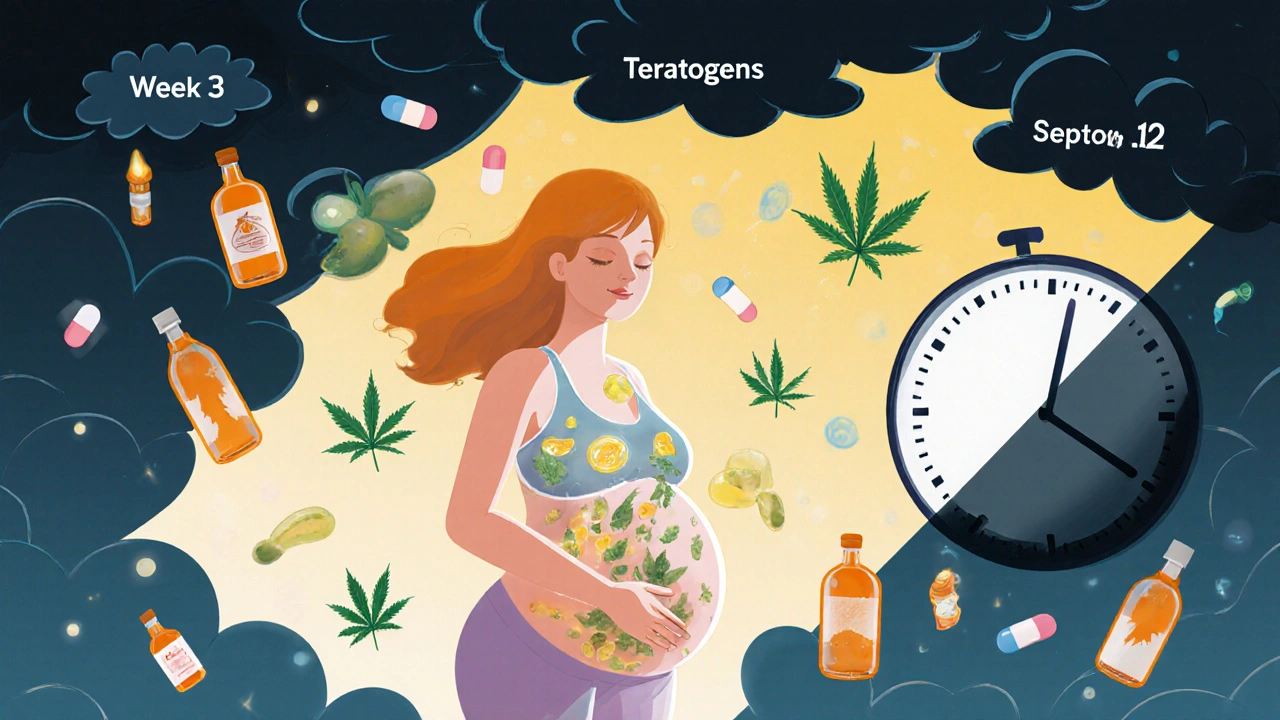
Pregnancy and Medications: What You Need to Know About Teratogenic Risks and Birth Defects
Learn what medications can cause birth defects during pregnancy, which ones are safest, and how to make informed choices. Understand teratogenic risks, acetaminophen debates, and expert guidelines for medication use in pregnancy.