Pregnancy and Drugs: Safe Medications, Risks, and What to Ask Your Doctor
When you're pregnant, pregnancy and drugs, the complex relationship between medications and fetal development. Also known as prenatal pharmacology, it's not just about avoiding pills—it's about understanding which ones can help, which can hurt, and when you need to switch. Many people assume all medications are dangerous during pregnancy, but that’s not true. Some conditions, like high blood pressure, diabetes, or depression, need treatment—stopping them can be riskier than continuing the right drug. The key isn’t to avoid all drugs, but to choose the safest ones for your stage of pregnancy.
Drugs don’t affect every pregnant person the same way. What’s safe in the first trimester might not be in the third. For example, anticoagulants, blood thinners used to prevent clots during pregnancy like heparin are often preferred over warfarin because they don’t cross the placenta. But benzodiazepines, sedatives linked to birth defects and withdrawal in newborns are generally avoided unless absolutely necessary. Even supplements like garlic supplements, natural products often thought to be harmless can interfere with blood clotting around delivery time. You might think natural equals safe, but that’s a dangerous myth. The same goes for herbal remedies like Strophanthus or Septilin—there’s little data on their effects during pregnancy, and that silence isn’t safety.
Most of the confusion comes from unclear advice. Your doctor might say "avoid all meds," but your pharmacist can tell you which ones are actually low-risk. That’s why questions matter: Is this drug approved for pregnancy? What’s the evidence? Are there safer alternatives? Is this dose right for my weight or kidney function? These aren’t just nice-to-knows—they’re survival tools. The posts below cover exactly these kinds of real-world decisions: how to adjust meds for kidney issues during pregnancy, what to do if you’re on antidepressants and find out you’re pregnant, why some blood pressure pills are fine and others aren’t, and how to talk to your provider without sounding paranoid. You’ll find no fluff, no fearmongering—just clear, practical guidance from people who’ve seen what happens when choices aren’t made with full information.
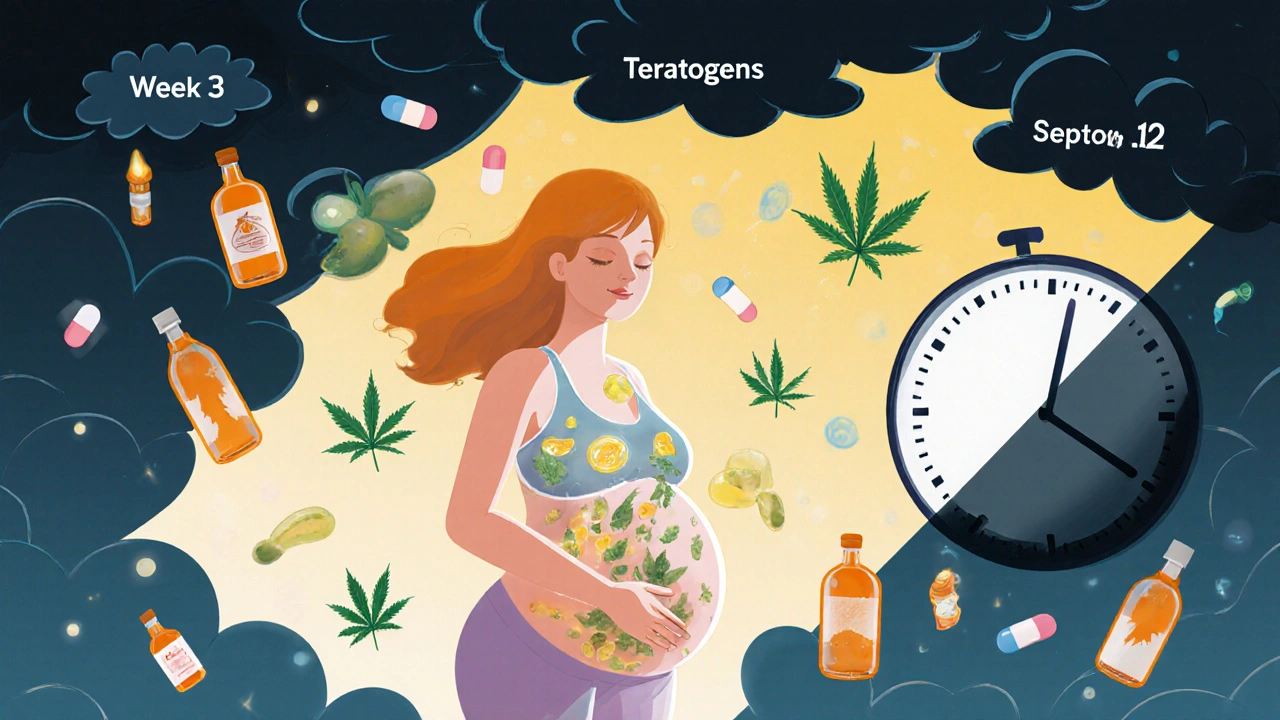
Pregnancy and Medications: What You Need to Know About Teratogenic Risks and Birth Defects
Learn what medications can cause birth defects during pregnancy, which ones are safest, and how to make informed choices. Understand teratogenic risks, acetaminophen debates, and expert guidelines for medication use in pregnancy.