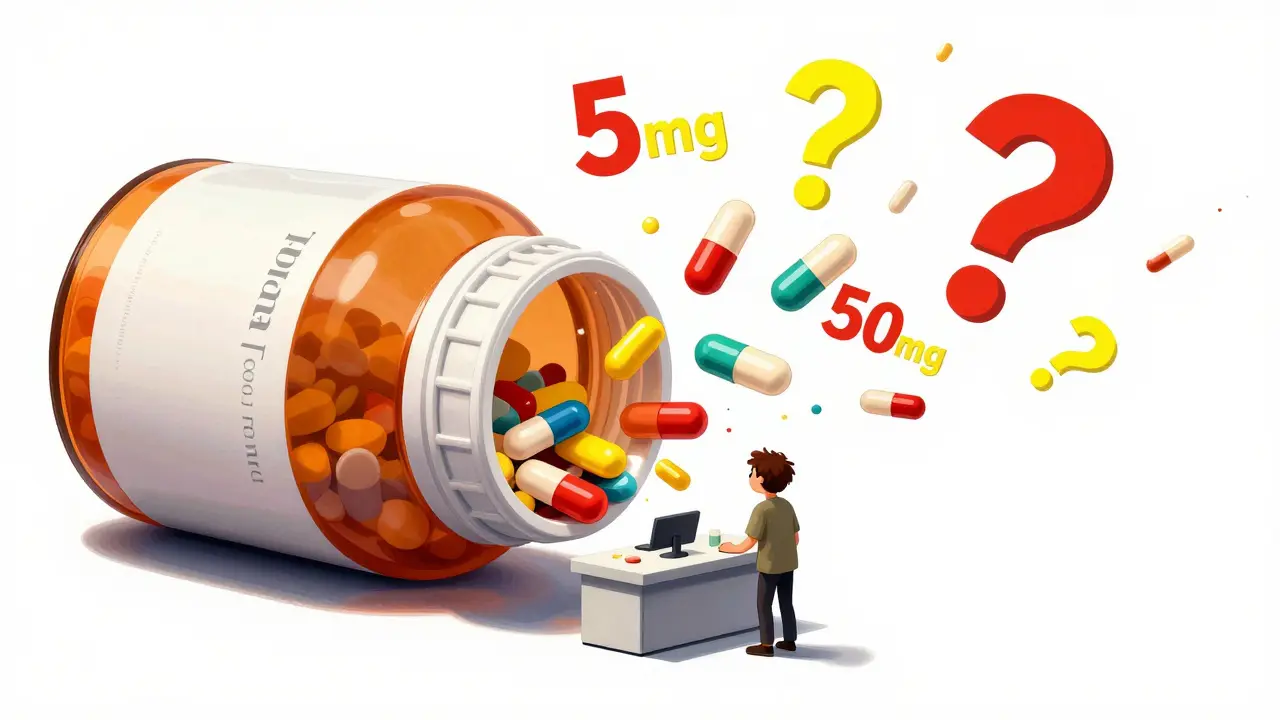
Imagine walking out of a pharmacy with a bottle of medication, only to realize later that the dosage is twice what your doctor ordered, or worse, it's a completely different drug. It sounds like a nightmare, but dispensing errors is a critical safety issue where the wrong medication, dose, or patient identity is matched during the pharmacy process. In the US alone, about 1.5 million people are affected by these mistakes every year. While pharmacists do their best, you are actually the final safety checkpoint. Research shows that when you actively verify your meds, you can cut the risk of errors by over 37%.
| Checkpoint | What to Look For | Risk if Ignored |
|---|---|---|
| Identity | Full legal name & date of birth | Wrong patient medication |
| Dosage | Strength (e.g., 10mg vs 20mg) | Overdose or under-treatment |
| Quantity | Number of pills/volume | Running out early/overpayment |
| Instructions | Clear timing and method | Incorrect administration |
The 3-Minute Safety Routine
You don't need to spend an hour at the counter, but you shouldn't just grab your bag and run. Experts suggest a structured approach that takes exactly three minutes to ensure everything is correct. Spend the first 90 seconds scanning the label. The next 60 seconds should be spent looking at the physical pills or liquid. Wrap up with 30 seconds of confirming exactly how to use the drug. This simple habit can catch about 65% of potential dispensing mistakes before they ever leave the building.
Your Step-by-Step Verification Checklist
When you're at the pharmacy counter, use this checklist to ensure your medication is safe. Don't be afraid to ask the pharmacist to wait while you do this; they generally prefer you take the time to be sure.
- Verify Your Identity: Check that your full legal name and date of birth match exactly. This prevents the "wrong patient" error, which accounts for about 18% of pharmacy mistakes.
- Check the Drug Name and Strength: Confirm the medication name matches your doctor's order. Pay close attention to the strength-for example, making sure you have 5mg and not 50mg. Dosage errors are the most common mistake, making up nearly 35% of all prescription errors.
- Validate the National Drug Code (NDC): The NDC is a unique 11-digit number used to identify drugs in the US. If you're unsure, you can check the NDC number on your label against the official FDA directory.
- Count Your Medication: Count the pills immediately. Roughly 23% of quantity errors involve missing tablets that are easy to spot during an initial count.
- Read the Instructions: Are the directions clear? If you see abbreviations you don't understand, ask the pharmacist to explain them. Vague instructions contribute to almost 19% of errors.
- Inspect the Packaging: Check the expiration date and make sure the seal isn't broken. This protects you from expired products or compromised medication.
- Controlled Substance Check: If you are picking up a controlled substance, be aware that pharmacists must strictly verify your address and the prescription's legitimacy to meet DEA requirements.
Dealing with Common Pharmacy Hurdles
It's not always easy to verify your meds, especially if you're feeling rushed. Many people, particularly those over 65, struggle with the tiny print on pharmacy labels. If you can't read the text, don't guess. Use your smartphone camera to zoom in on the label or ask the pharmacist for a magnifying glass-most pharmacies keep them on hand for this exact reason.
Another point of confusion is the difference between brand names and generics. You might expect a bottle of Lipitor but receive Atorvastatin. These are the same drug, but the name change can be jarring. If the name looks wrong, simply ask: "Is this the generic version of my medication?" A knowledgeable pharmacist will be happy to confirm this for you.
Asking the Right Questions
Checking the label is only half the battle. To truly be safe, you need to have a brief conversation with the pharmacist. The FDA suggests focusing on three specific questions: "What is this medication for?", "How and when should I take it?", and "What side effects should I watch for?"
Beyond those, there is one critical question that often goes unanswered: "What should I do if I miss a dose?" Knowing the protocol for a missed dose can prevent you from accidentally doubling up or leaving a gap in your treatment, which is vital for medications managing blood pressure or mental health.
The Role of Technology in Safety
Pharmacies are getting better at catching errors before they reach you. Most now use barcode scanning systems to match the drug to the prescription. Some larger chains have even introduced "patient verification stations" where you can scan your barcode and see an image of what your pill should look like before you even pay.
However, technology isn't foolproof. While barcodes are great, they can't catch "therapeutic duplication"-where two different drugs do the same thing-or complex interactions between your new med and something you've taken for years. This is why the human element-both the pharmacist's expertise and your own final check-remains the most important part of the system.
What should I do if the medication looks different than usual?
Do not take the medication. Ask the pharmacist if the manufacturer has changed or if a generic substitute was used. Sometimes different pharmacies use different generic suppliers, which can change the pill's color, shape, or imprint. The pharmacist can verify the NDC to ensure it's the correct drug.
What if the pharmacist seems dismissive of my concerns?
Your safety is more important than the pharmacist's haste. If you feel your concerns aren't being heard, you can ask to speak with the pharmacy manager. Remember that you are the last line of defense in a multi-layered safety system, and your request for verification is a standard part of safe healthcare.
Is it normal for a generic drug to have a different name than the brand?
Yes. Generic drugs use the chemical name of the active ingredient rather than the brand name. For example, if you were prescribed brand-name Zoloft, you might receive Sertraline. This is common and usually cheaper, but you should always confirm the match with the pharmacist.
How often should I verify my prescriptions?
Every single time. Even if you've used the same pharmacy for a decade and have a recurring prescription, a mistake can happen during any refill. A quick 3-minute check every time you pick up a medication is the best way to ensure your safety.
Can I verify medications ordered through a mail-order pharmacy?
Yes, and it's even more important since you can't talk to the pharmacist in person. Use the same checklist: verify the name, dosage, and quantity immediately upon delivery. If something looks off, call the pharmacy's customer service line before taking the first dose.
Next Steps for Your Safety
Depending on your situation, here is how to handle your next pharmacy visit:
- For Chronic Patients: Keep a list of all your current medications and dosages on your phone. Compare this list against the new label to spot strength errors immediately.
- For Caregivers: Always bring the previous bottle of the medication to the pharmacy. Comparing the new pill's appearance to the old one is the fastest way to catch a dispensing error.
- For First-Time Prescriptions: Spend extra time on the "Instructions" section. Ask for a written summary if the label is too condensed or confusing.