Biosimilar Pharmacovigilance: What You Need to Know About Safety Monitoring
When you hear biosimilar pharmacovigilance, the system of monitoring safety for biosimilar drugs after they’re approved and used by patients. Also known as post-market surveillance for biosimilars, it’s not just paperwork—it’s the safety net that catches problems before they hurt people. Unlike regular generic drugs, biosimilars are made from living cells, not chemicals. That means even tiny changes in how they’re made can affect how your body reacts. That’s why tracking them after they’re sold isn’t optional—it’s essential.
biosimilars, medications designed to be highly similar to an already-approved biologic drug. Also known as follow-on biologics, they’re cheaper alternatives to drugs like Humira or Enbrel—but they’re not exact copies. That’s why pharmacovigilance, the science of detecting, assessing, understanding, and preventing adverse effects of medicines is so critical here. You can’t assume a biosimilar acts exactly like its parent drug. One patient might have a mild rash, another might develop antibodies that make the drug stop working. Without consistent reporting and analysis, these patterns stay hidden.
drug safety, the practice of ensuring medications don’t cause more harm than good in the case of biosimilars means looking at real-world data, not just clinical trial results. Doctors, pharmacists, and patients all play a role. If you notice unusual fatigue, swelling, or an allergic reaction after switching to a biosimilar, reporting it matters. These reports feed into global databases that help regulators spot trends. Countries like the U.S., EU, and Canada have specific tracking codes for biosimilars so they can tell which brand a patient received. That’s how they know if one version causes more side effects than another.
It’s not just about bad reactions. Pharmacovigilance also checks if biosimilars work as well over time. Some patients do great. Others lose response. Why? Is it the drug? The storage? The way it’s given? These are the questions that get answered only when thousands of real cases are watched closely. And that’s what makes biosimilar pharmacovigilance different from routine drug monitoring—it’s built for complexity.
What you’ll find in the posts below are practical guides on how drug safety systems work, how patients can spot red flags, and how alternatives like generic drugs or biologics compare in real-world use. From dosing errors to unexpected interactions, these articles give you the tools to understand not just what’s in the bottle—but what happens after you take it.
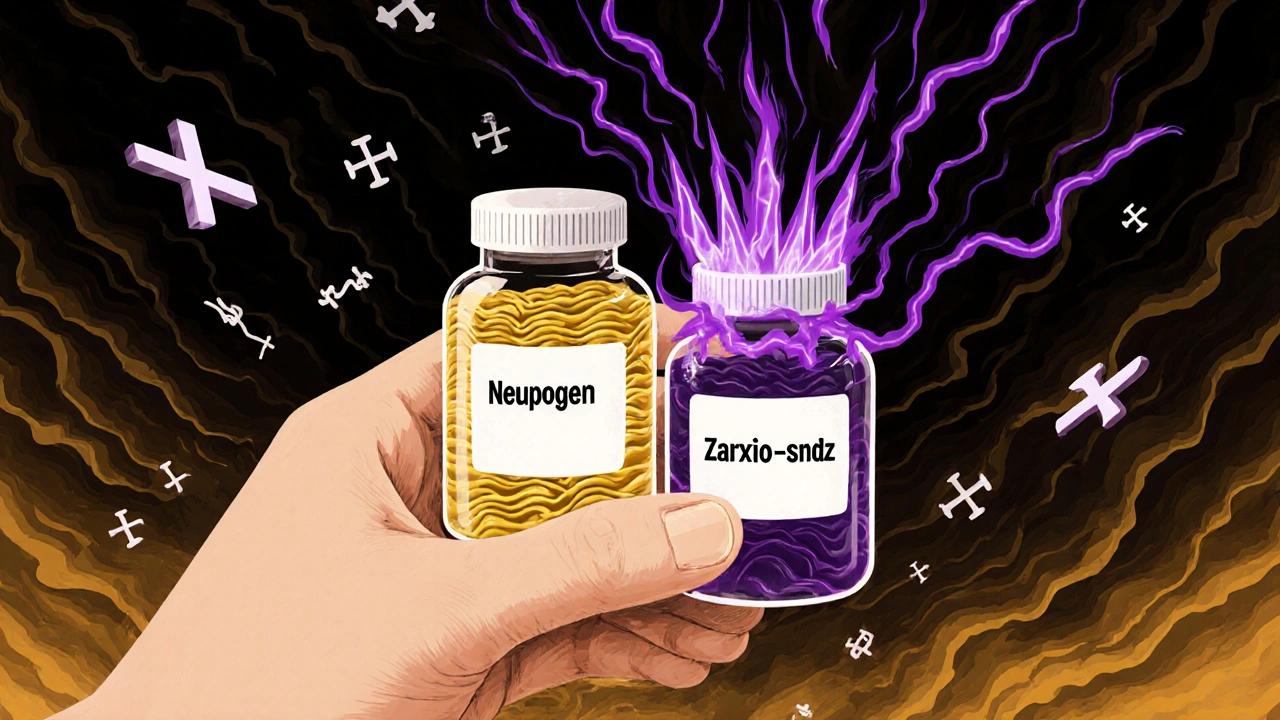
Adverse Event Monitoring for Biosimilars: How Safety Surveillance Works in Real-World Use
Biosimilars aren't like generics - they need specialized safety tracking. Learn how adverse event monitoring works, why reporting matters, and what patients and providers can do to ensure safe use.