Common Health Misconceptions: What You Think Is True But Isn't
When it comes to your health, common health misconceptions, widespread but incorrect beliefs about medications, diseases, and treatments. Also known as medical myths, these ideas often come from well-meaning friends, outdated websites, or oversimplified media stories. The problem? They lead to dangerous choices—like skipping a needed drug because you heard it causes weight gain, or fearing a safe generic because you think it’s "inferior."
Take kidney disease, a condition where the kidneys lose their ability to filter waste, requiring careful medication adjustments. Many believe all blood thinners are equally safe for people with kidney problems. But that’s not true. Apixaban is often preferred in moderate kidney disease, while warfarin remains common in severe cases. DOACs can be risky in advanced liver failure. These aren’t guesses—they’re real-world decisions doctors make daily based on lab results, not just guidelines.
Another myth? That biosimilars, highly similar versions of complex biologic drugs like Humira, are just like generic pills. Also known as biologic copies, they’re not. Biosimilars require strict safety monitoring because tiny differences in manufacturing can affect how your body responds. Yet many patients and doctors still avoid them, missing out on up to 85% lower prices and real cost savings.
And what about opioid withdrawal, the physical and emotional reaction when stopping opioids after long-term use? People think it’s just a bad flu that passes in a few days. But withdrawal timelines vary by drug, dose, and individual biology. Without medical support, symptoms can last weeks and increase relapse risk. Medications like buprenorphine don’t just ease symptoms—they improve survival rates.
You might think you know how to read a liquid prescription label. But if you’re using a kitchen spoon, you’re risking overdose. Milliliters aren’t teaspoons. A single mistake can send a child to the ER. These aren’t rare errors—they happen every day because no one taught you how to measure properly.
Even heart treatments get twisted. Many assume controlling heart rate in atrial fibrillation is enough to prevent stroke. But new data shows early rhythm control—getting your heart back into normal rhythm—cuts death and hospitalization risk. It’s not just about slowing the pulse. It’s about fixing the rhythm before damage sets in.
And don’t get fooled by herbal hype. Strophanthus is sold as a natural heart remedy, but it contains ouabain—a compound similar to digitalis. That means it can be just as powerful and just as dangerous if misused. Natural doesn’t mean safe. It means unregulated.
These aren’t isolated errors. They’re patterns. They show up in how people take blood pressure meds, how they choose supplements, how they handle prescriptions after an Rx-to-OTC switch. The same myths repeat across conditions: kidney disease, depression, eczema, gout, diabetes. You think you’re being smart by avoiding drugs, switching to herbs, or skipping screenings. But without accurate info, you’re just guessing—and your health is the price.
Below, you’ll find real, practical breakdowns of these exact misunderstandings. No fluff. No marketing. Just what doctors actually do, what the data says, and how to protect yourself from being misled. These aren’t theories. They’re corrections to the myths that cost people their health every day.
Generic Myths Debunked: Separating Fact from Fiction in Patient Education
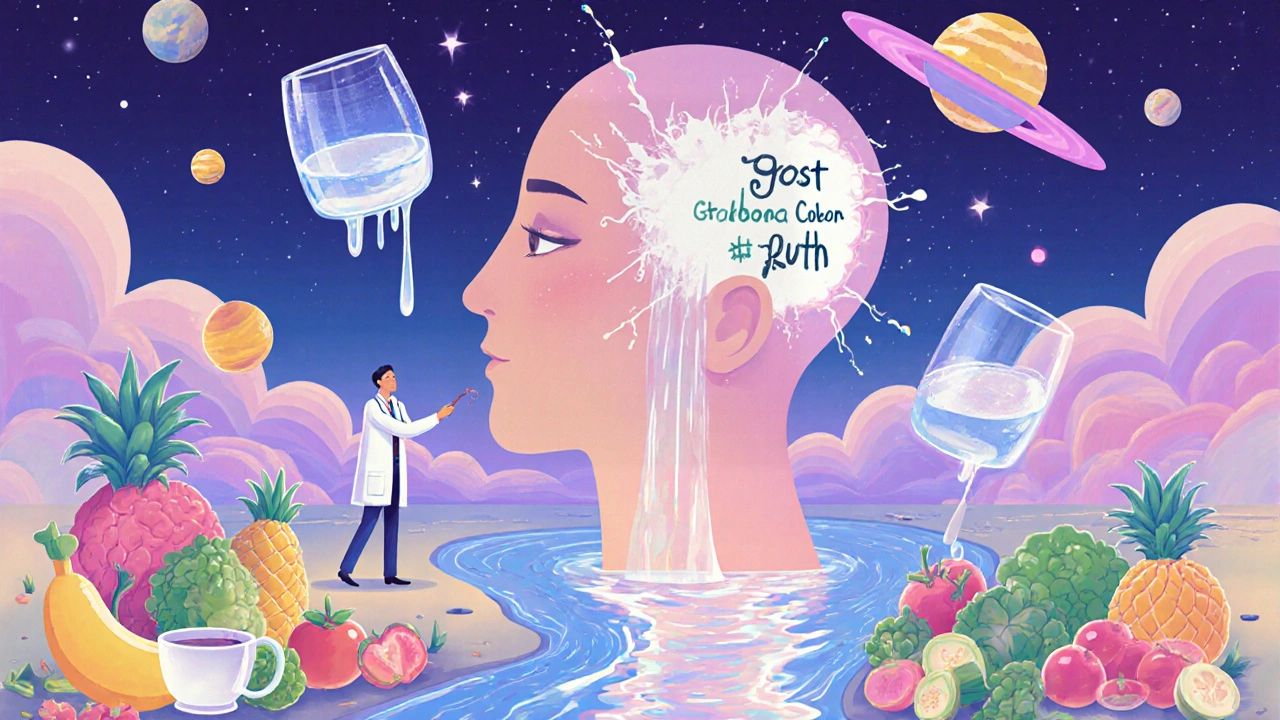
Debunking common health myths like drinking eight glasses of water, sugar causing hyperactivity, and brain usage myths helps patients make better decisions. Evidence-based facts improve adherence to medical advice and reduce misinformation.