GERD Complications: What Happens If Acid Reflux Is Left Untreated
When GERD, gastroesophageal reflux disease, a chronic condition where stomach acid flows back into the esophagus. Also known as chronic acid reflux, it’s more than just heartburn—it’s a slow-burning injury to your digestive tract. Most people think occasional heartburn is harmless. But if it’s happening more than twice a week, your esophagus is being exposed to acid daily. That’s not normal. That’s damage in progress.
Left alone, GERD complications, the long-term consequences of uncontrolled acid reflux don’t just fade away. They get worse. The lining of your esophagus starts to inflame—that’s esophagitis, inflammation of the esophagus caused by repeated acid exposure. It hurts to swallow. Food sticks. You might feel like something’s stuck in your chest. If this keeps going, your body tries to protect itself by changing the cells in the esophagus. That’s Barrett’s esophagus, a condition where the normal tissue lining the esophagus turns into tissue similar to the intestinal lining. It’s not cancer, but it’s the biggest risk factor for esophageal cancer. The CDC says people with Barrett’s have a 30 to 125 times higher chance of developing it.
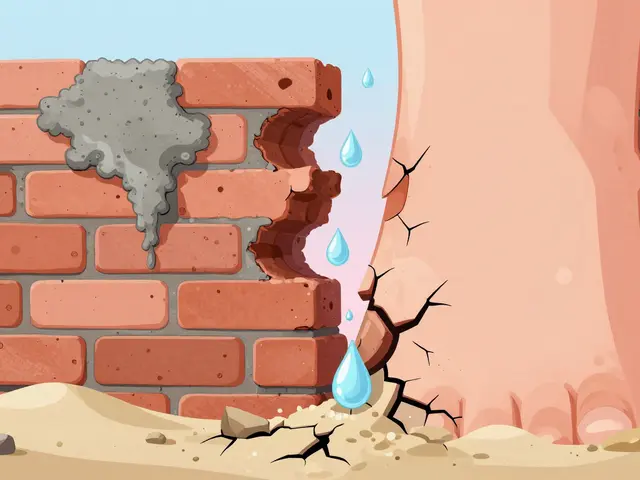
Then there’s esophageal stricture, a narrowing of the esophagus caused by scar tissue from long-term acid damage. Think of it like a garden hose that’s been burned and stiffened over time. Food doesn’t pass as easily. You start avoiding certain foods. You eat slower. You feel full faster. It’s not just discomfort—it’s a life change. And if you ignore it, the narrowing can get so bad you need a procedure to stretch it open. Some people even need surgery.
GERD doesn’t just hurt your esophagus. It can wreck your teeth, cause chronic cough, trigger asthma flare-ups, and even lead to lung infections from acid being aspirated. It’s not just about pills and diet. It’s about stopping the damage before it becomes irreversible. The good news? Most of these complications can be avoided—if you act early. The posts below show you exactly what to watch for, what treatments actually work, and how to stop GERD before it turns into something serious.
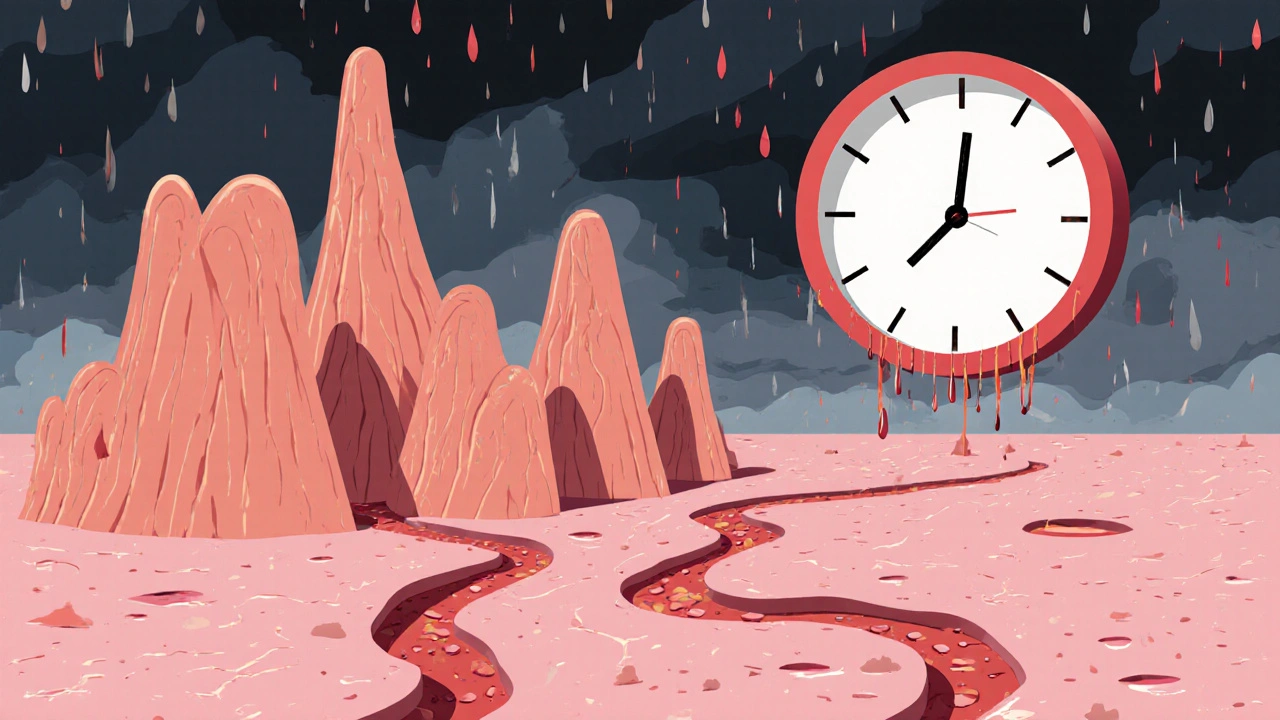
Chronic GERD Complications: Understanding Barrett’s Esophagus and When to Get Screened
Chronic GERD can lead to Barrett’s esophagus-a precancerous condition that increases esophageal cancer risk. Learn who should be screened, how it’s diagnosed, and what treatments actually work.