Health Myths Debunked: Truths Behind Common Medication and Wellness Beliefs
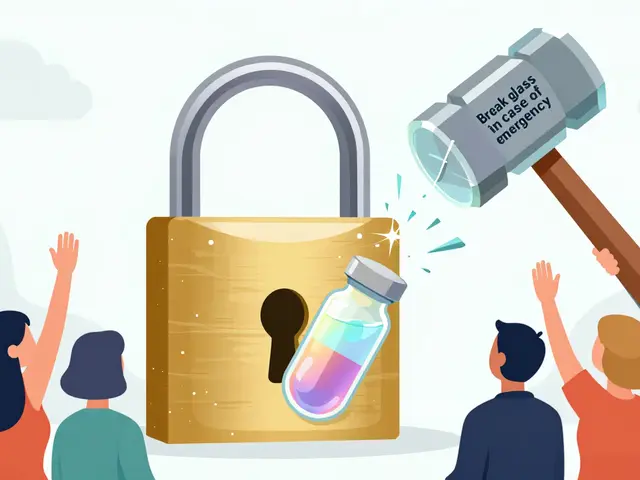
When it comes to health, health myths, false beliefs about medications, supplements, and wellness that spread despite lacking evidence. Also known as medical misinformation, these ideas can lead to dangerous choices—like skipping prescribed drugs for unproven remedies or misusing over-the-counter pills. The truth? Many of the things you’ve been told about your body, pills, and supplements are wrong—and the consequences can be serious.
Take natural remedies, plant-based products marketed as safer alternatives to prescription drugs. Also known as herbal supplements, they’re often assumed to be harmless because they’re "natural." But Strophanthus and Septilin contain powerful compounds that affect your heart and immune system. Just because something comes from a plant doesn’t mean it’s safe to mix with your other meds. In fact, hormone replacement therapy can interfere with epilepsy drugs, antidepressants, and thyroid meds due to liver enzyme changes. That’s not folklore—it’s pharmacology. And then there’s the myth that biosimilars, lower-cost versions of complex biologic drugs like Humira. Also known as biologic copies, they’re not generics—they’re scientifically proven to work the same way, with up to 85% lower list prices. Yet many people still avoid them out of fear, even though safety monitoring systems track side effects in real time. You’re not saving money or safety by sticking to expensive originals if a biosimilar is right for you.
Another big myth? That kidney disease patients can take any pill at the same dose. Wrong. kidney disease medication, drugs that need dose adjustments based on how well your kidneys filter waste. Also known as renal dosing, this isn’t optional—it’s life-saving. Nephrotoxins like certain painkillers or antibiotics can crash your kidney function if you don’t adjust the dose. And if you’re on dialysis, phosphate binders like Renagel aren’t just helpful—they’re essential to prevent dangerous mineral buildup. Meanwhile, people think Rx-to-OTC switches mean "safe for anyone." But switching a drug from prescription to over-the-counter doesn’t mean it’s risk-free. It just means the FDA decided the risks are manageable with clear labeling. That’s why reading liquid prescription labels in milliliters—not teaspoons—is critical. A single dosing mistake can poison a child.
Here’s what you’ll find in the posts below: real breakdowns of the most common health myths you’ve heard—and the science that proves them wrong. No fluff. No hype. Just straight facts about what works, what doesn’t, and what could hurt you if you believe the lies. Whether it’s about testosterone boosters, heart drugs, or how to avoid medication errors at home, every article here is built to help you make smarter, safer choices.

Generic Myths Debunked: Separating Fact from Fiction in Patient Education
Debunking common health myths like drinking eight glasses of water, sugar causing hyperactivity, and brain usage myths helps patients make better decisions. Evidence-based facts improve adherence to medical advice and reduce misinformation.