Milliliter Dosing: How to Measure Medications Accurately and Avoid Mistakes
When you're giving liquid medicine—whether it's for a child, an elderly parent, or yourself—you're not just pouring a dose. You're handling milliliter dosing, a precise method of measuring liquid medications using metric units to ensure safety and effectiveness. Also known as mL dosing, it's the standard in modern pharmacy because even a small mistake can lead to serious side effects or treatment failure. Unlike pills, liquids don’t come in fixed amounts. One teaspoon might be 5 mL, but not always. A kitchen spoon? That’s a gamble. The difference between 5 mL and 7 mL can mean the difference between relief and an emergency room visit.
Syringe dosing, the most reliable way to deliver exact milliliter amounts of liquid medication, is the gold standard. Pediatricians and pharmacists push for oral syringes because they’re marked in milliliters, not teaspoons. You don’t need to guess. Just draw the line, give it, done. No more confusing "half a cap" or "one spoonful." And forget about using kitchen measuring spoons—they vary by brand, shape, and how full you fill them. A 2018 study in the Journal of Pediatric Pharmacology found that over 40% of parents made dosing errors using household spoons. That’s not a typo. That’s a real risk. Liquid medicine, any drug formulated as a suspension or solution meant to be taken by mouth, is common for kids, seniors with swallowing issues, and people on long-term treatments like antibiotics or seizure meds. But the concentration matters. Amoxicillin for kids might be 250 mg per 5 mL. For adults, it could be 400 mg per 5 mL. Get the concentration wrong, and you’re giving too much—or too little. Even if the bottle says "shake well," you still need to measure correctly. If you’re using a dropper, check if it’s calibrated in mL. Many aren’t.
It’s not just about kids. Seniors on multiple meds often juggle liquid thyroid pills, liquid pain relievers, or liquid anticoagulants. Mixing them up? A dangerous habit. That’s why pharmacists now include clear mL markings on labels and hand out syringes with prescriptions. If yours didn’t, ask. It’s your right. And if you’re buying meds online—like generic gabapentin or seroquel—you still need to know how to measure the dose right. The pharmacy might send it in a bottle with a cap that holds 5 mL, but unless you use a syringe, you’re trusting luck.
Milliliter dosing isn’t complicated. It’s just precise. You don’t need a science degree. You need a clean oral syringe, a quiet moment, and the patience to read the label twice. Whether you’re giving out a fever reducer, an antibiotic, or a sleep aid, getting the mL right keeps you in control. And that’s the whole point.
Below, you’ll find real-world guides on how different medications are dosed in milliliters, what tools to use, how to avoid common errors, and which drugs require extra care—because when it comes to liquid medicine, small numbers make big differences.
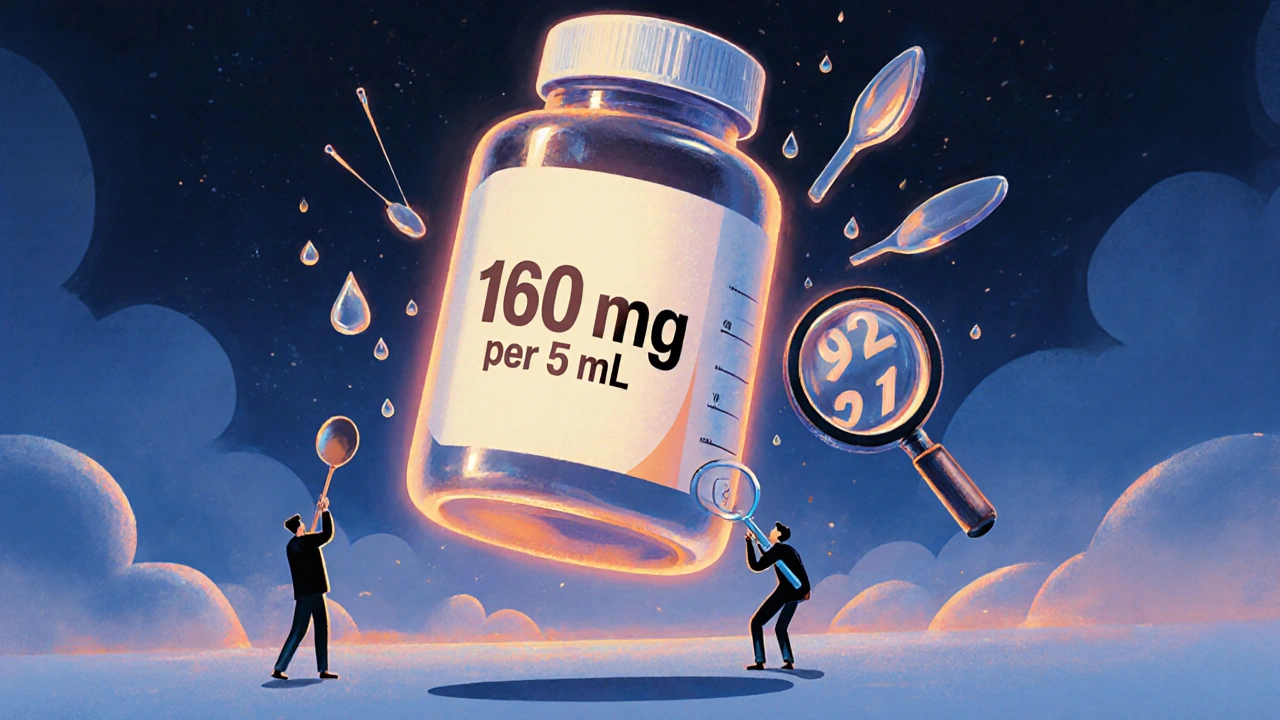
How to Read Dose Measurements on Liquid Prescription Labels
Learn how to safely read liquid prescription labels using milliliters (mL), avoid common dosing mistakes, and use the right measuring tools to protect yourself and your family from medication errors.