Teratogenic Medications: What You Need to Know Before Taking Them
When you’re pregnant, even a simple pill can have serious consequences. Teratogenic medications, drugs that can interfere with fetal development and cause birth defects. Also known as fetal toxins, these substances don’t just affect the mother—they reshape the growing baby’s body, organs, and nervous system. This isn’t theoretical. Thalidomide in the 1950s caused thousands of limb deformities. Accutane, once used for acne, led to severe brain and heart defects. These aren’t rare outliers—they’re warnings written in real lives.
Not all risky drugs are obvious. Some are prescription, like certain epilepsy meds (valproic acid) or acne treatments (isotretinoin). Others are over-the-counter or herbal. Fetal development, the process by which a baby’s organs form between weeks 3 and 8 of pregnancy is especially vulnerable. After that, damage is less likely—but not impossible. Birth defects, structural or functional abnormalities present at birth can range from cleft palate to heart problems, and they often show up only after birth. That’s why you can’t wait until you know you’re pregnant. If you’re trying to conceive, or even just sexually active without birth control, you’re already in the window where these drugs matter.
Doctors don’t always warn you. Many assume you’ll stop a drug if you get pregnant. But what if you didn’t know you were pregnant? What if you took a medication for three weeks before your missed period? That’s exactly when the most critical damage happens. That’s why pharmacists and OB-GYNs now ask: "Are you trying to get pregnant?" before prescribing anything. If they don’t ask, ask them. Bring your full list—supplements, OTC meds, even that herbal tea you drink daily. Some natural products, like high-dose vitamin A or certain essential oils, are also teratogenic.
You’re not alone in this. Millions of women take medications during pregnancy. The goal isn’t fear—it’s awareness. Teratogenic medications aren’t banned because they’re evil. They’re dangerous because they work too well—on a developing body that wasn’t meant to be exposed. But with the right info, you can avoid them. You can switch to safer alternatives. You can plan ahead. The posts below show real cases: how a woman avoided birth defects by switching her antidepressant, why a blood pressure pill became unsafe after pregnancy, and how one mom discovered her acne treatment was linked to her baby’s heart condition. These aren’t hypotheticals. They’re stories from people who learned the hard way—and now want to help you avoid it.
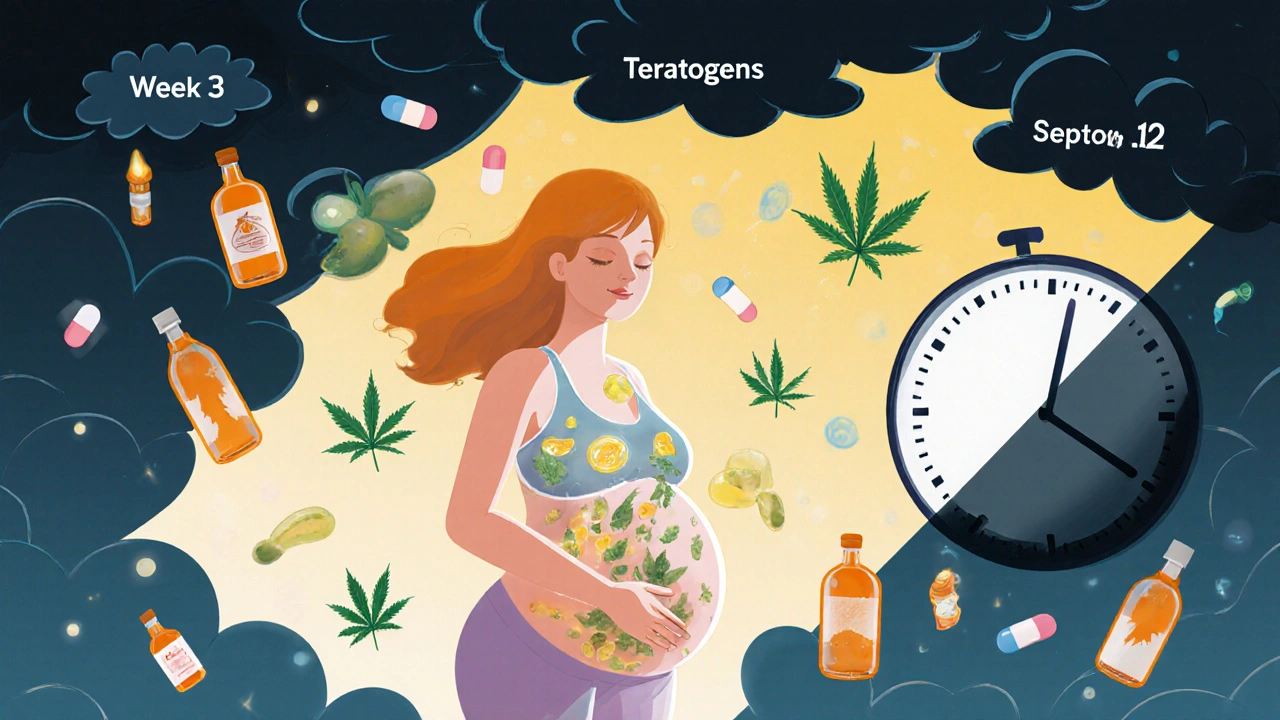
Pregnancy and Medications: What You Need to Know About Teratogenic Risks and Birth Defects
Learn what medications can cause birth defects during pregnancy, which ones are safest, and how to make informed choices. Understand teratogenic risks, acetaminophen debates, and expert guidelines for medication use in pregnancy.