Biologic Prices: What You Really Pay for Biosimilars and Brand-Name Drugs
When you hear biologic prices, high-cost medications made from living cells used to treat autoimmune diseases, cancer, and chronic conditions. Also known as biologic drugs, they’re not like regular pills—they’re complex, hard to copy, and often cost thousands per month. That’s why so many people are shocked when they see their pharmacy bill. But here’s the thing: not all biologics are priced the same, and you don’t always have to pay the full sticker price.
The real story behind biologic drugs, targeted therapies derived from proteins, antibodies, or other biological sources isn’t just about science—it’s about patents, competition, and how the system works. Brand-name biologics like Humira or Enbrel used to dominate the market with no real alternatives. But now, biosimilars, highly similar versions of brand-name biologics approved after patents expire. Also known as biologic generics, they’re not exact copies like regular generics, but they work nearly the same and cost 15% to 35% less. That’s a big deal if you’re paying out of pocket or your insurance has high copays. Biosimilars aren’t new, but their adoption is still growing, and many patients don’t even know they’re an option.
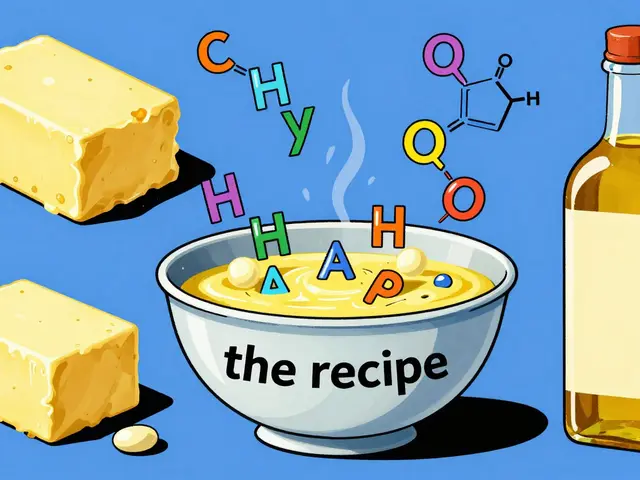
Why do biologic prices stay so high? Partly because manufacturing them is like brewing a living recipe—tiny changes in temperature, storage, or cell culture can affect how they work. That’s why the FDA requires extra testing for biosimilars compared to regular generics. It’s not magic, but it’s expensive. Still, more biosimilars are hitting the market every year, especially for conditions like rheumatoid arthritis, Crohn’s disease, and diabetes. And as more options appear, prices start to drop. Some patients have saved hundreds per month just by switching.
What you’ll find in the posts below isn’t just a list of drug names. It’s real-world insight into how these drugs compare, what safety tracking looks like for biosimilars, and how to spot when a cheaper alternative might work for you. You’ll see how adverse event reporting helps keep patients safe, why some doctors still hesitate to prescribe biosimilars, and how price differences show up in everyday prescriptions. No fluff. No hype. Just what you need to understand your options and ask the right questions.
Biosimilar Cost Savings: How They Compare to Original Biologic Prices
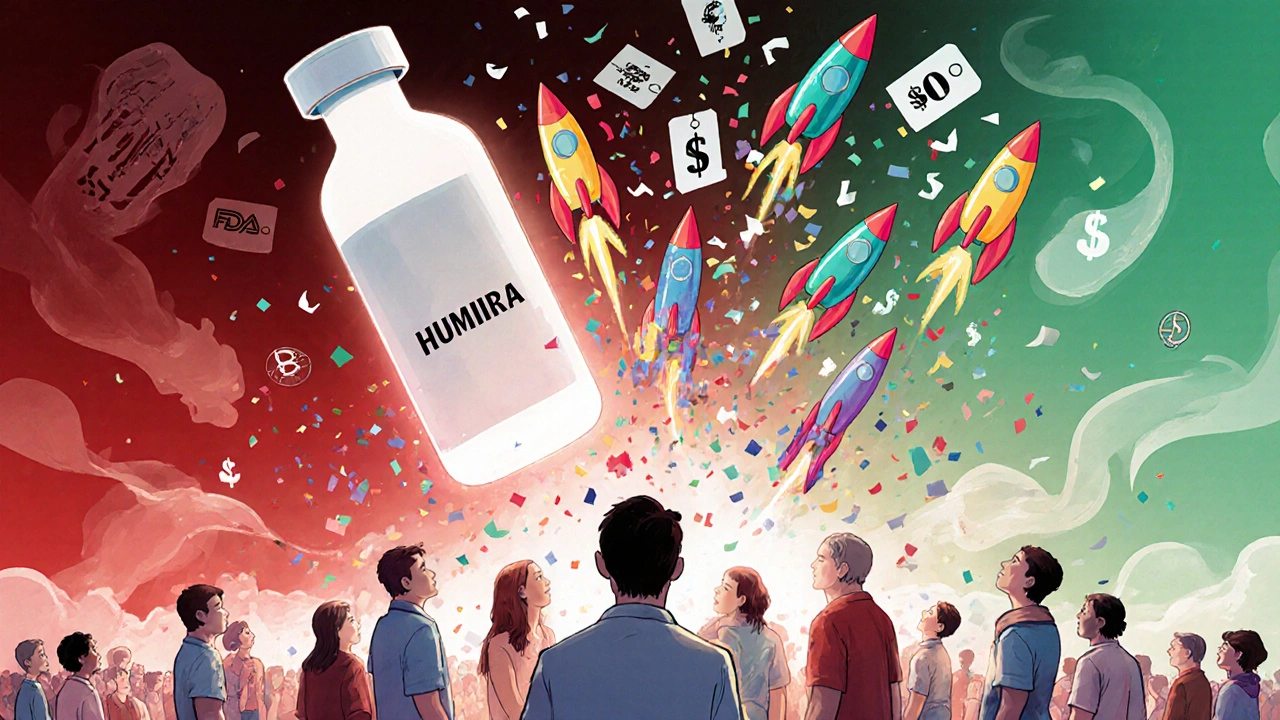
Biosimilars offer major cost savings on expensive biologic drugs like Humira, with up to 85% lower list prices and 23% lower out-of-pocket costs for patients. Learn how they compare, why adoption is still low, and how real savings are being missed.