Dose Measurement: How to Get Medication Amounts Right Every Time
When you take a pill, liquid, or injection, dose measurement, the exact amount of a drug given to achieve the intended effect without harm. Also known as medication dosage, it’s not just about how many pills you swallow—it’s about how much active ingredient actually enters your body. Get it wrong, even by a little, and you might not feel better—or worse, you could end up in the hospital.
Dose measurement isn’t just for doctors or pharmacists. It’s something you handle every time you open a bottle. Whether it’s a child’s liquid antibiotic measured in milliliters, a blood pressure pill split in half, or a patch changed daily, the numbers matter. Pill strength, the concentration of active drug in each tablet or capsule varies wildly—even between generics. Two brands of the same drug might look identical, but if one is 10mg and the other is 12.5mg, that’s a 25% difference. That’s not a typo. That’s a risk.
And it’s not just about the number on the label. Drug administration, how and when you take the medicine changes how your body absorbs it. Taking a pill with food instead of on an empty stomach can cut its effect in half. Swallowing a capsule too fast might cause it to stick in your throat. Using a kitchen spoon instead of a proper measuring cup? That’s not a dose—it’s a guess.
Look at the posts below. You’ll see real examples of why this matters. Someone taking linagliptin for diabetes needs to know their daily dose won’t cause weight gain or low blood sugar. Someone switching from Combipres to another blood pressure med needs to match the dose correctly or risk dizziness or worse. Even herbal supplements like Septilin or Himcolin have recommended doses—skip them, and you’re wasting your money. Over-the-counter drugs like Prilosec or Zofran? They’re safer than prescriptions, but only if you stick to the label. Rx-to-OTC switches mean you’re now responsible for knowing the right dose, not your doctor.
Some meds, like bupropion or modafinil, have narrow safety windows. Too little, and it doesn’t work. Too much, and you’re risking seizures or heart problems. Even something as simple as ketoconazole shampoo has a specific frequency—use it every day, and you’ll dry out your scalp. Use it once a month, and the dandruff comes back.
There’s no magic trick to getting dose measurement right. It’s about paying attention. Reading the label. Using the right tool. Asking questions. And never assuming that because two pills look the same, they’re the same. The difference between healing and harm often comes down to a single milligram.
Below, you’ll find real-world guides that break down exactly how to handle dosing for specific drugs—from eye drops and muscle relaxants to antidepressants and pain meds. No fluff. No theory. Just what you need to know to take your meds safely, accurately, and with confidence.
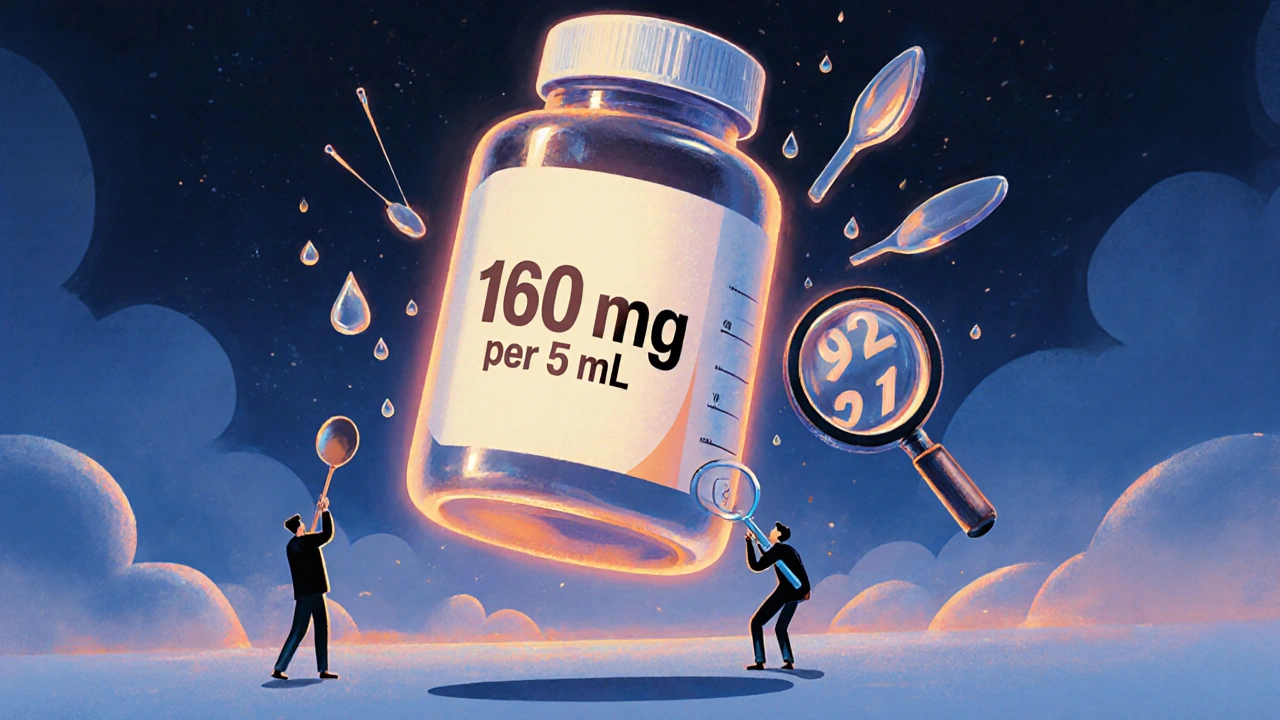
How to Read Dose Measurements on Liquid Prescription Labels
Learn how to safely read liquid prescription labels using milliliters (mL), avoid common dosing mistakes, and use the right measuring tools to protect yourself and your family from medication errors.