Erectile Dysfunction Medication: What You Need to Know
When working with erectile dysfunction medication, drugs designed to improve blood flow to the penis and help achieve an erection. Also known as ED meds, it is a cornerstone of modern sexual health care.
Erectile dysfunction medication encompasses phosphodiesterase‑5 inhibitors, a class of pills that block the enzyme PDE‑5, allowing more nitric oxide to relax smooth muscle and increase blood flow. Common brands like sildenafil, tadalafil, and vardenafil fall under this umbrella. While they share a core mechanism, each drug varies in onset time, duration, and food interactions. Choosing the right one often depends on lifestyle—whether you prefer a quick‑acting option for spontaneous moments or a longer‑lasting dose for planned intimacy. Remember, effectiveness also hinges on proper dosing and timing, so you’ll want to follow the prescribing guidelines closely.
Key Factors That Influence Success
Effective use of erectile dysfunction medication requires a medical evaluation to rule out underlying conditions such as diabetes, hormonal imbalances, or vascular disease. One related factor is testosterone boosters, supplements or therapies aimed at raising low testosterone levels. Low testosterone can blunt the response to PDE‑5 inhibitors, so clinicians may suggest a booster or hormone replacement before or alongside ED meds. The interaction isn’t automatic—some men see improvement with a booster alone, while others need both. Knowing your hormone profile helps tailor a regime that maximizes results without unnecessary medication.
Another crucial element is cardiovascular health, the condition of the heart and blood vessels that influences circulation throughout the body. Since erectile function relies on healthy blood vessels, any heart disease, high blood pressure, or cholesterol issue can reduce the efficacy of ED medication and increase risk of side effects. Doctors often assess heart health before prescribing, and they may adjust dosages or recommend lifestyle changes—like exercise, weight management, and a balanced diet—to support both heart and sexual performance. In short, a strong cardiovascular system is a foundation for safe and effective erectile dysfunction treatment.
Beyond the medical side, many men consider sexual health supplements, over‑the‑counter products that claim to boost desire, stamina, or blood flow. While some contain ingredients like L‑arginine or ginseng that have modest evidence, they are not replacements for prescription medication. They can, however, complement a prescribed regimen when used responsibly. The key is to avoid duplicate ingredients that could amplify side effects—especially when combined with PDE‑5 inhibitors. Always discuss any supplement with your healthcare provider to keep the treatment plan safe and coherent.
Putting these pieces together, the pathway to successful erectile dysfunction medication looks like this: identify the right phosphodiesterase‑5 inhibitor, evaluate hormone and heart health, consider whether a testosterone booster or supplement adds value, and follow a dosing schedule that fits your routine. Below you’ll find articles that dive deeper into each of these topics—comparisons of specific drugs, tips for buying affordable generics, and guidance on managing side effects. Armed with this overview, you can navigate the options with confidence and choose a plan that works for your life.
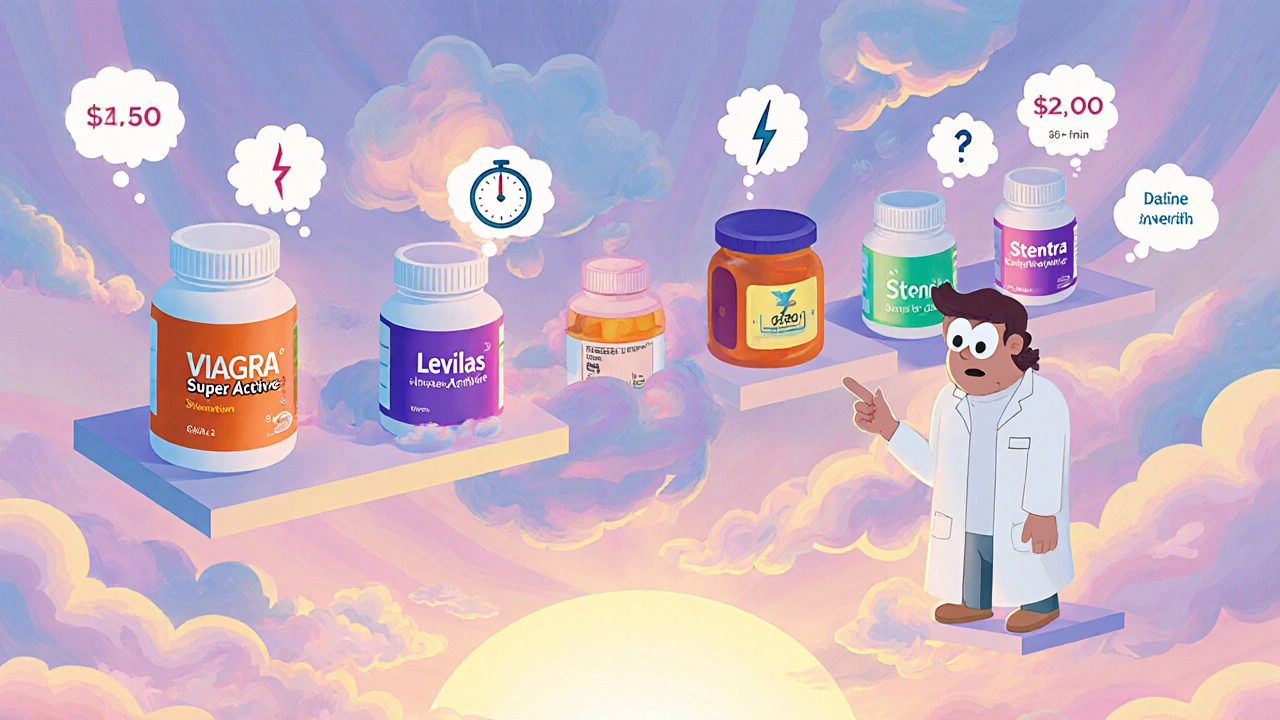
Viagra Super Active vs Alternatives: Best ED Medication Guide
A practical guide comparing Viagra Super Active with Cialis, Levitra, Stendra and generic sildenafil, covering speed, duration, cost, side‑effects and safety.