Expired Pain Relievers: Risks, Effects, and What to Do Instead
When you find an old bottle of expired pain relievers, medications like ibuprofen, acetaminophen, or aspirin that have passed their printed expiration date. Also known as out-of-date pills, these drugs may still look fine—but their effectiveness and safety aren’t guaranteed. The expiration date isn’t just a marketing trick. It’s the last day the manufacturer guarantees the drug will work as intended and remain safe to use. After that, chemical breakdown can reduce potency, change how your body absorbs it, or—even in rare cases—create harmful byproducts.
Think of expired pain relievers, common over-the-counter medications used for headaches, muscle aches, or fever. Also known as out-of-date analgesics, they’re often kept in medicine cabinets long after they’re needed. But here’s the catch: a 2012 FDA study found that most medications retain at least 90% of their potency for years past the expiration date—if stored properly. That means a bottle kept in a cool, dry place might still work. But if it’s been sitting in a hot bathroom or a sunlit drawer? The heat and moisture can speed up degradation. You might end up with a pill that does nothing… or one that irritates your stomach or liver more than it helps.
And it’s not just about effectiveness. Some drugs, like tetracycline antibiotics, have been linked to toxicity when expired. While pain relievers like acetaminophen or ibuprofen don’t turn toxic in the same way, their inactive ingredients—like fillers, dyes, or preservatives—can break down and cause allergic reactions. You might not know it’s the pill causing the rash or upset stomach until you switch to a fresh batch. That’s why medication expiration, the official date after which a drug’s safety and potency are no longer assured matters more than you think. It’s not about wasting money—it’s about knowing when to toss and when to trust.
What should you do? If your pain reliever is just a few months past its date and stored well, it’s probably fine for mild pain. But if it’s years old, smells weird, looks discolored, or crumbles when you touch it—pitch it. Don’t risk it. For chronic pain, talk to your doctor about safer long-term options. For occasional use, buy smaller bottles and use them before they sit too long. And never take someone else’s expired pills, even if they seem similar. Your body reacts differently than theirs.
You’ll find real stories and science-backed advice in the posts below. From how excipients in generics affect tolerance to what happens when drugs interact with other meds, these articles help you make smarter choices. No fluff. Just what you need to know to keep your medicine cabinet safe and your health on track.
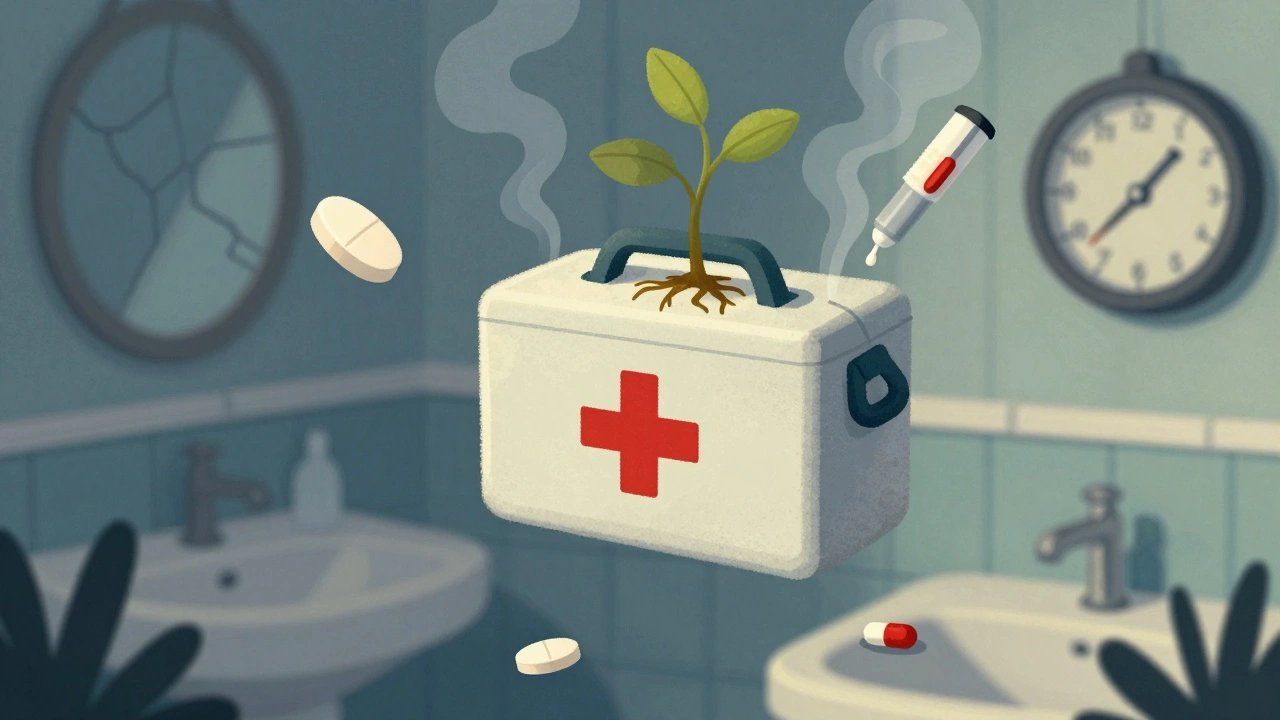
How to Decide When to Replace Expired OTC First-Aid Medications
Learn which expired OTC first-aid meds are safe to use and which must be replaced immediately. Get clear, practical advice on checking, storing, and disposing of expired medications to keep your first-aid kit reliable.