First-Aid Kit Expiration: When Your Emergency Supplies Go Bad
When you grab a bandage or painkiller from your first-aid kit, a collection of essential medical supplies kept for immediate use in minor injuries or emergencies. Also known as home first-aid box, it’s meant to be ready when you need it most. But if those items have been sitting there for years, they might not work—or worse, they could hurt you. First-aid kit expiration isn’t just a suggestion; it’s a safety rule. Medications lose strength over time. Antiseptics dry out. Bandages stick together or grow mold. You wouldn’t eat expired food—don’t use expired medicine.
Think about your expired medications, drugs that have passed their labeled expiration date and may no longer be effective or safe. A 2012 FDA study found that most pills remain stable past their expiration date—but that doesn’t mean they’re reliable. Epinephrine in EpiPens can degrade fast. Antibiotic ointments lose potency. Even aspirin turns into vinegar-like compounds. And if you’re treating a wound with an old antiseptic, you’re not killing germs—you’re just wasting time. Your first-aid supplies, items like bandages, gauze, antiseptics, and pain relievers kept for emergency use at home or in vehicles aren’t meant to last forever. Heat, humidity, and light speed up decay. A kit in a bathroom cabinet? That’s a recipe for failure.
What should you actually check? Look at every pill, cream, and liquid. Write the purchase date on the container when you buy it. Toss anything older than three years, even if the label says otherwise. Replace hydrogen peroxide every six months—it stops bubbling when it’s dead. Keep your thermometer calibrated. Make sure your tweezers aren’t bent. And never rely on a tourniquet you bought in 2018. Your medication safety, the practice of using drugs correctly to avoid harm, including checking expiration dates and storage conditions starts with knowing what’s in your kit and when it was last checked.
Real emergencies don’t wait. A cut that turns infected. A bee sting that swells shut. A child who chokes. These moments don’t care if your antiseptic is three years old. You need to trust what’s in your hands. That’s why updating your kit isn’t a chore—it’s insurance. Keep a small list inside the lid: what’s in there, when you bought it, and when it expires. Do this every six months. Throw out the old. Restock the essentials. Simple. Fast. Life-saving.
Below, you’ll find real stories and expert advice on what happens when first-aid supplies go bad, how to spot dangerous expired meds, and what to keep in your kit so you’re never caught off guard.
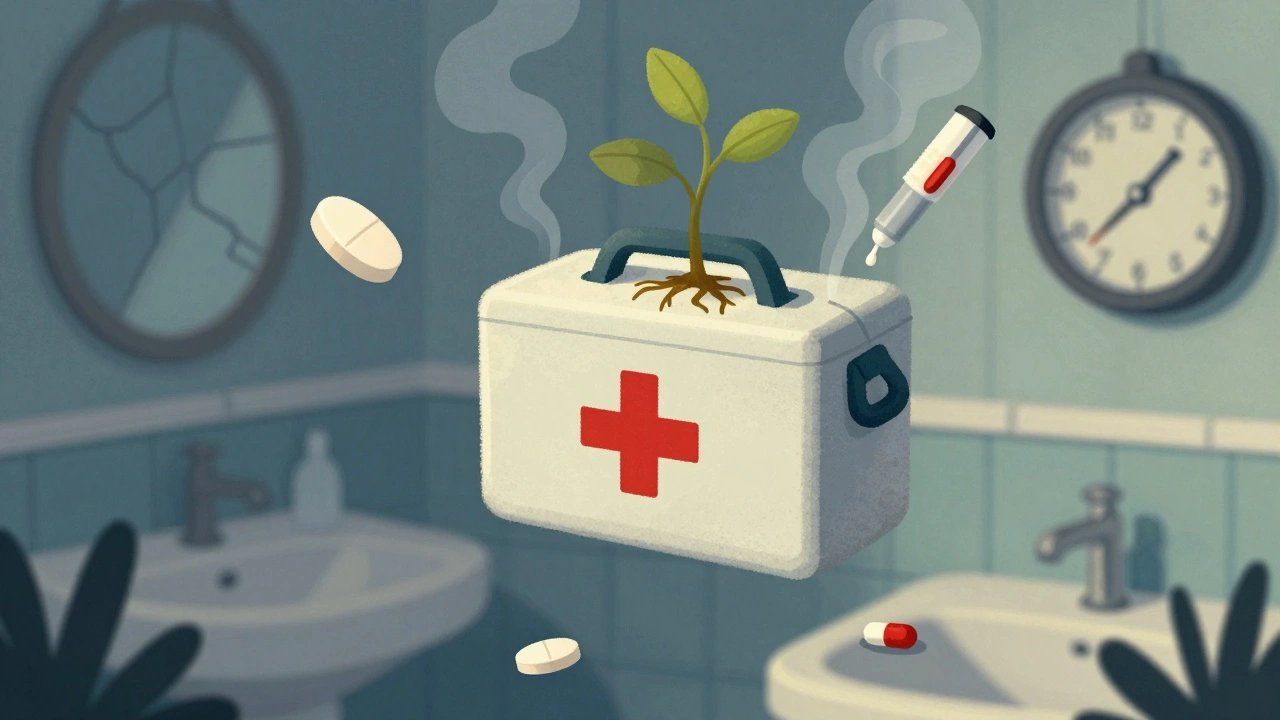
How to Decide When to Replace Expired OTC First-Aid Medications
Learn which expired OTC first-aid meds are safe to use and which must be replaced immediately. Get clear, practical advice on checking, storing, and disposing of expired medications to keep your first-aid kit reliable.