Geriatric Pharmacology: Safe Medication Use for Older Adults
When you’re over 65, your body doesn’t process drugs the same way it did at 30. Geriatric pharmacology, the study of how medications affect older adults and how their bodies respond differently to drugs. Also known as pharmacology in the elderly, it’s not just about dosage—it’s about safety, timing, and avoiding dangerous mix-ups. As we age, kidneys and liver slow down, stomach acid drops, and body fat increases. That means a drug that was fine at 50 can become toxic at 75. A common blood pressure pill might send your blood pressure too low. A sleep aid could make you fall. A painkiller might wreck your stomach or kidneys. This isn’t theory—it’s daily reality for millions.
Polypharmacy, the use of five or more medications at once. Also known as multiple drug regimens, it’s common in older adults with arthritis, diabetes, heart disease, and high blood pressure. But each extra pill adds risk. One drug can block another from working. One can make a side effect worse. Take drug interactions in seniors, how two or more medications combine to create unexpected or dangerous effects. Also known as medication clashes, it’s why someone on warfarin shouldn’t take garlic supplements, or why benzodiazepines increase fall risk by 40%. Even over-the-counter meds like antacids or sleep aids can mess with kidney function or cause confusion. And let’s not forget renal dosing in older adults, adjusting medication amounts based on kidney function, not just age. Also known as creatinine clearance dosing, it’s critical because nearly half of seniors have reduced kidney function—but many doctors still prescribe standard doses.
What you’ll find here isn’t vague advice. These are real stories from people who stopped taking meds because of side effects, who almost ended up in the ER from a bad combo, or who finally got their prescriptions right after talking to their pharmacist. You’ll see how theophylline can turn toxic when mixed with common antibiotics, why acetaminophen is safer than NSAIDs for older joints, and how a simple switch from a pill to a patch can cut confusion and falls. Every article here is grounded in what actually happens in clinics, pharmacies, and homes—not just textbooks. If you or someone you care for is managing multiple prescriptions, this isn’t just helpful—it’s necessary reading.
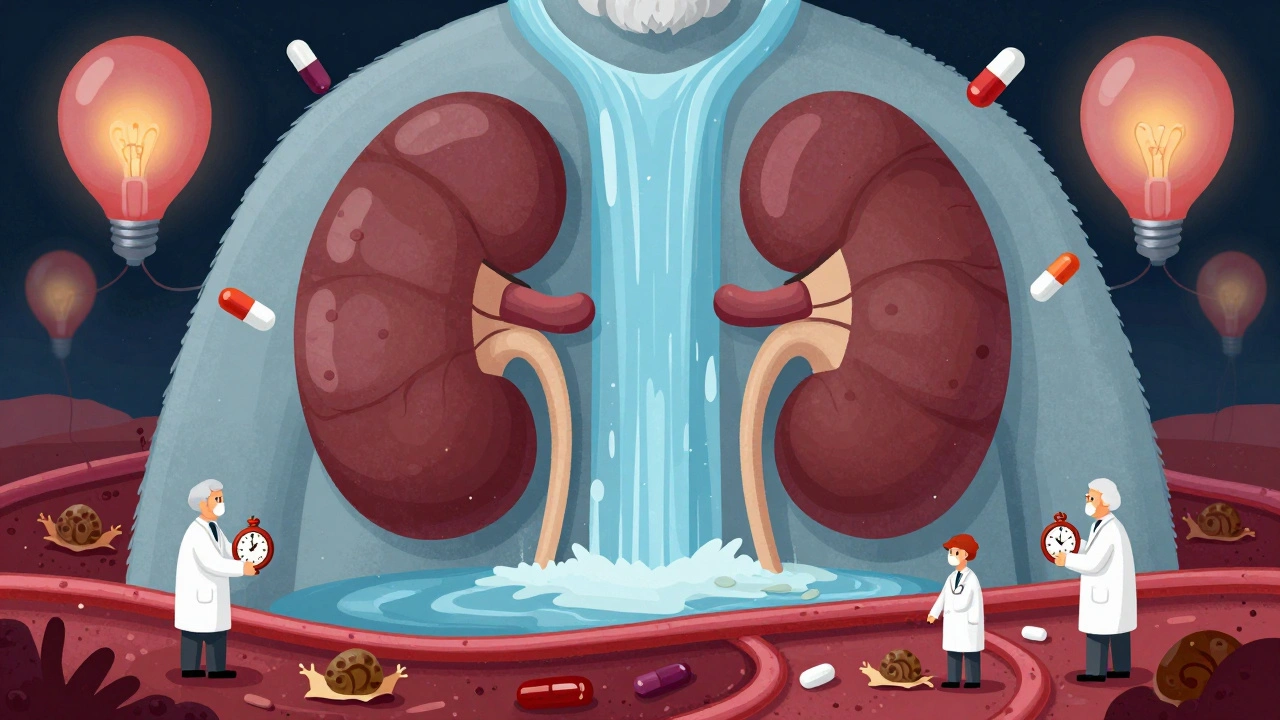
How Aging Changes Your Body’s Response to Medication and Dosing
Aging alters how your body absorbs, processes, and responds to medications. Learn why seniors need lower doses, which drugs are riskiest, and how to avoid dangerous side effects with practical steps and expert guidance.