Liquid Prescription Labels: What You Need to Know About Safety, Clarity, and Compliance
When you pick up a bottle of liquid medicine, the liquid prescription labels, the printed information on medication containers that tell patients how to use their drugs safely. Also known as pharmacy labels, they are the last line of defense against dosing mistakes, allergic reactions, and dangerous interactions. These aren’t just stickers—they’re legal documents that can prevent hospital visits or even save lives.
Every liquid prescription label, a mandatory component of safe drug dispensing regulated by the FDA and state pharmacy boards. Also known as medication labels, it must include the patient’s name, drug name, strength, dosage instructions, prescriber details, pharmacy info, and expiration date. Missing any of these? That’s not just sloppy—it’s risky. A 2022 study from the Journal of Patient Safety found that over 40% of medication errors involving liquids happened because the label was unclear, faded, or missing critical details. Think about it: if you can’t read whether it’s 5 mL or 50 mL, you’re guessing with your child’s health.
Why does this matter so much? Because liquids are tricky. A teaspoon isn’t a tablespoon. A dropper can spill. Kids might mistake sweet-tasting syrup for candy. That’s why labels also need warnings like "Shake well," "Refrigerate," or "May cause drowsiness." These aren’t suggestions—they’re instructions written in plain language so anyone, even without a medical background, can follow them. The drug labeling regulations, federal and state rules that define what information must appear on all prescription containers. Also known as pharmacy labeling standards, they require contrast, font size, and language clarity to reduce confusion. If your label is printed in tiny, light gray text on a white bottle, it’s not just hard to read—it’s noncompliant.
And it’s not just about what’s written. The physical design counts too. Labels must stay on the bottle when wet, resist peeling in the fridge, and not smear when handled. Pharmacies that cut corners with cheap labels put patients at risk. You’ve probably seen labels that curl up or turn blurry after a few days—that’s not normal. It’s a failure in the system. The best labels use durable materials, bold fonts, and color coding to make key info pop. Some even include QR codes linking to dosage videos or multilingual instructions.
What you’ll find below are real-world examples of how these labels work—or fail—across different medications. From diabetes syrups to antibiotics for kids, from high-risk drugs like opioids to everyday antihistamines, the posts here show how labeling impacts safety, compliance, and patient outcomes. You’ll see what’s required by law, what pharmacies get wrong, and how you can spot red flags before you even take the first dose. This isn’t about bureaucracy. It’s about making sure the next time you open a bottle of liquid medicine, you know exactly what’s inside—and how to use it without guesswork.
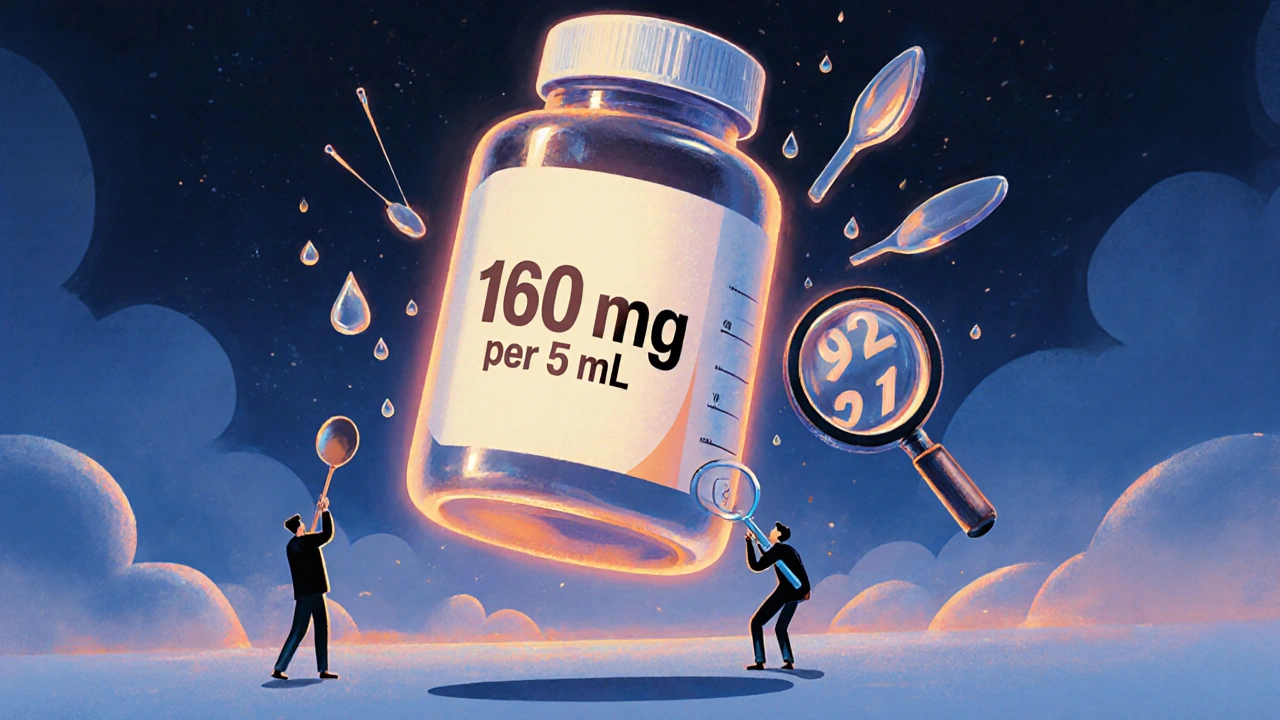
How to Read Dose Measurements on Liquid Prescription Labels
Learn how to safely read liquid prescription labels using milliliters (mL), avoid common dosing mistakes, and use the right measuring tools to protect yourself and your family from medication errors.