Medication Safety and Kidney Health: What You Need to Know
When you take a pill, your kidneys, organs that filter waste and regulate fluid balance in your body. Also known as renal system, they work nonstop to keep your blood clean. But many everyday drugs — even ones you buy without a prescription — can quietly damage them over time. This isn’t just a risk for older adults or people with existing disease. If you’re on long-term painkillers, blood pressure meds, or even herbal supplements, your kidneys might be under stress without you realizing it.
Nephrotoxic drugs, medications known to harm kidney tissue include common pain relievers like ibuprofen and naproxen, certain antibiotics, and even some diabetes pills. For people with chronic kidney disease, a gradual loss of kidney function over time, these drugs can speed up damage. But even healthy kidneys aren’t immune. Studies show that taking high doses of NSAIDs for just a few weeks can reduce kidney filtration rates in otherwise healthy adults. The problem? Most people don’t know their kidneys are being affected until it’s too late.
What makes this even trickier is that kidney damage often has no symptoms until it’s advanced. No pain. No swelling. Just a slow decline. That’s why medication safety, the practice of using drugs in a way that minimizes harm isn’t just about following directions — it’s about knowing which drugs are risky for your kidneys and asking the right questions. Did your doctor check your kidney function before prescribing that long-term medication? Are you taking more than one drug that affects the same organ? Are you using herbal supplements that claim to be "natural" but aren’t tested for kidney safety?
The posts below give you real, practical answers. You’ll find clear comparisons of blood pressure drugs that spare your kidneys, guides on how to safely use common pain relievers, and breakdowns of supplements like sevelamer that are actually designed for kidney patients. There’s also info on how to read labels for liquid meds — because a wrong dose can be dangerous when your kidneys are already struggling. You’ll learn which drugs interact with each other, how to spot early signs of trouble, and what to ask your pharmacist before you fill a prescription. This isn’t theory. These are the facts people with kidney issues, their families, and their doctors need to avoid avoidable harm.
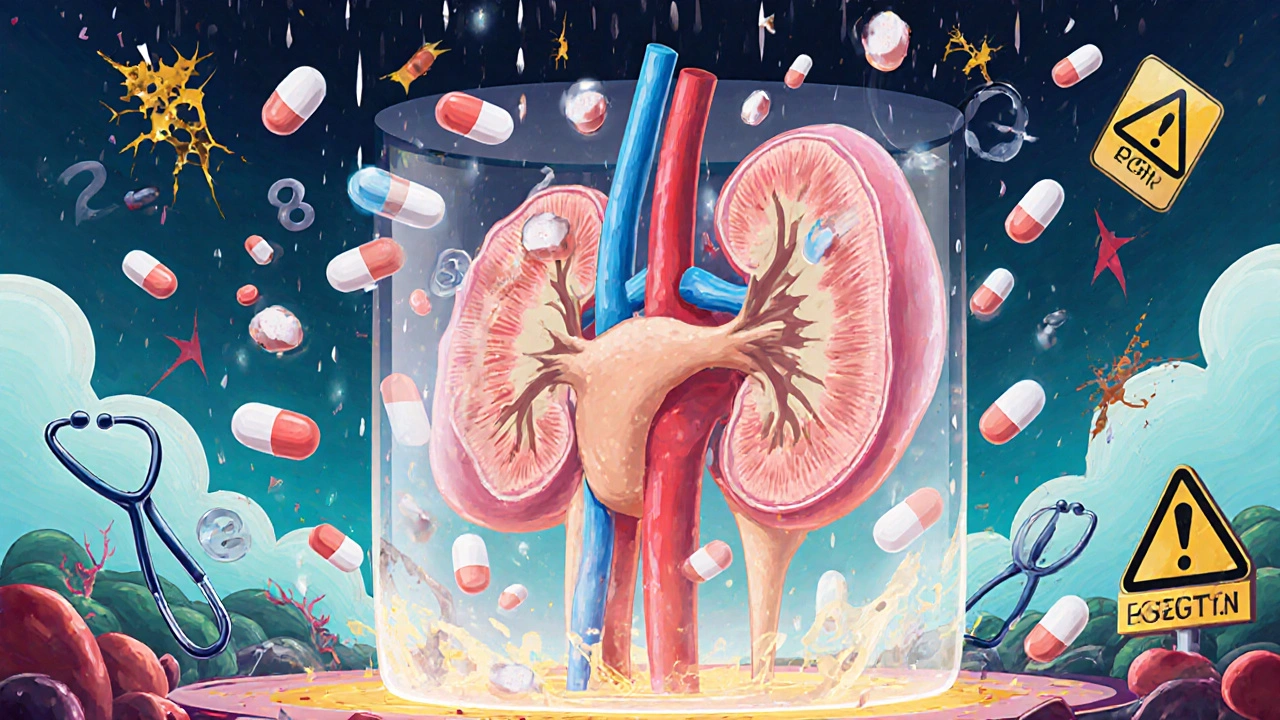
Medication Safety in Kidney Disease: How to Avoid Nephrotoxins and Get the Right Dose
Learn how to safely take medications with kidney disease-avoid nephrotoxins, adjust doses based on eGFR, and use kidney-friendly alternatives. Essential for CKD patients and caregivers.