Reading Medicine Labels: What You Need to Know to Stay Safe
When you pick up a bottle of pills, you’re holding more than just medication—you’re holding reading medicine labels, the critical skill of understanding what’s in your drugs, how to use them, and what risks to watch for. Also known as medication literacy, it’s the difference between safe use and serious harm. Most people glance at the name and dose, then toss the label aside. But the real story is in the fine print: active ingredients, warnings, expiration dates, and interactions. Skip that, and you could accidentally double up on acetaminophen, mix drugs that cause dizziness, or take something that makes your skin burn in the sun.
Active ingredients, the chemicals that actually treat your condition. Also known as drug components, they’re listed right under the brand name. That’s where you find if your cold medicine has the same painkiller as your headache pill. Drug interactions, when two or more medicines affect each other’s effects. Also known as medication conflicts, they’re why your blood pressure pill might not work if you’re taking a common antacid. And expiration dates, the last day a drug is guaranteed to be safe and effective. Also known as use-by dates, they’re not just a suggestion—expired antibiotics can fail to fight infection, and old insulin can lose potency. These aren’t just pharmacy terms—they’re your safety net.
Every label tells you how much to take, when to take it, and what to avoid. But most people miss the small print about alcohol, driving, pregnancy, or food interactions. That’s why so many ER visits happen from people taking meds wrong—not because they’re careless, but because they never learned how to read the label properly. You don’t need a pharmacy degree. You just need to slow down. Look for the word "Do not". Check the dosage in milligrams. Compare the active ingredient to other pills you’re taking. If it’s the same, you might be overdosing.
The posts below cover real cases where people got hurt—or saved themselves—by paying attention to what’s on the bottle. From mixing blood pressure meds with herbal supplements, to missing hidden ingredients in OTC drugs, to understanding why some pills shouldn’t be crushed or taken with grapefruit juice. You’ll find guides on spotting fake labels, decoding confusing wording, and knowing when to ask your pharmacist for help. This isn’t theory. It’s what keeps you alive.
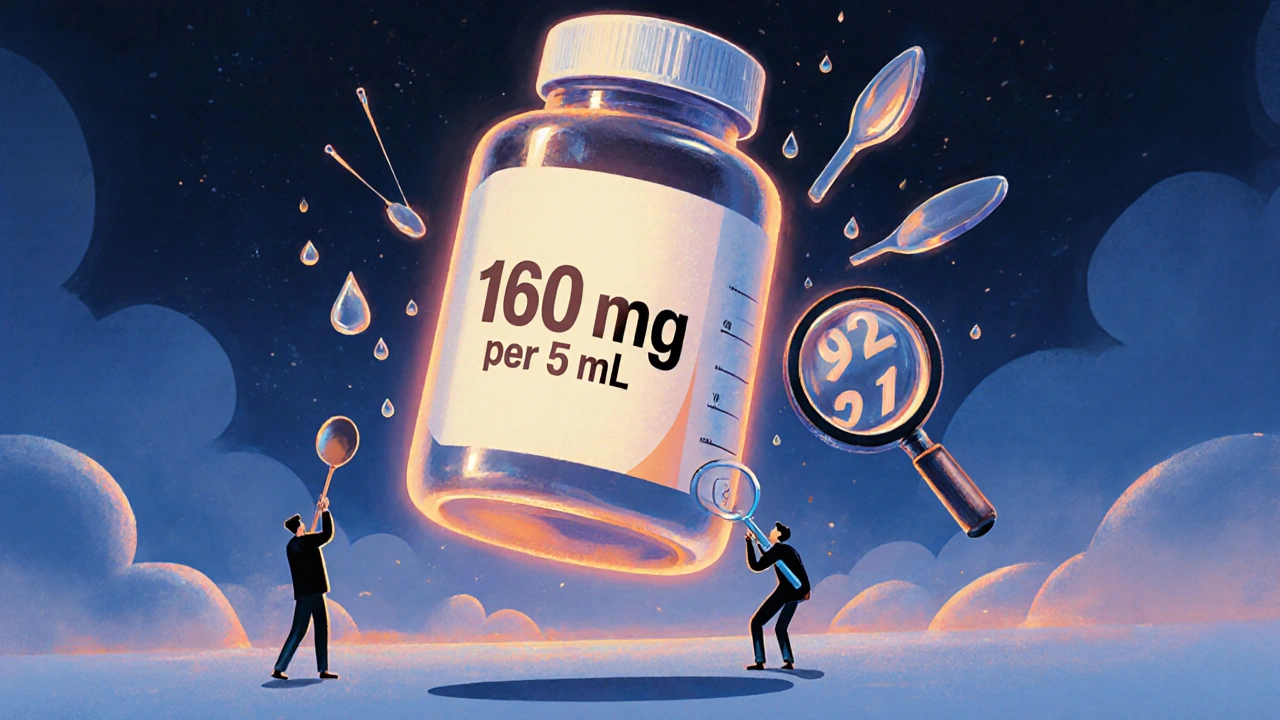
How to Read Dose Measurements on Liquid Prescription Labels
Learn how to safely read liquid prescription labels using milliliters (mL), avoid common dosing mistakes, and use the right measuring tools to protect yourself and your family from medication errors.