Take Meds as Prescribed: Why Following Directions Saves Lives and Money
When you take meds as prescribed, follow the exact dose, timing, and duration your doctor or pharmacist tells you. Also known as medication adherence, it’s not just about popping pills—it’s about making sure your body gets the right amount at the right time to work properly. Skip a dose, double up, stop early because you feel better, or mix it with another supplement without asking—any of those moves can turn a helpful drug into a dangerous one.
Think about drug interactions, when two or more substances affect how each other works in your body. A common painkiller like ibuprofen might seem harmless, but if you’re on a blood thinner, it can raise your risk of bleeding. Or take theophylline, a lung medication used for asthma and COPD: if you drink coffee, smoke, or take certain antibiotics, your body clears it too slowly, and levels build up to toxic points. These aren’t rare edge cases—they happen every day because people don’t realize how easily meds can clash.
And it’s not just about danger. Not taking meds as directed wastes money, too. The U.S. healthcare system loses over $300 billion a year because people don’t stick to their prescriptions. That means more hospital visits, more emergency care, and higher insurance costs for everyone. If you’re on a chronic condition like high blood pressure or diabetes, skipping doses doesn’t just make you feel worse—it speeds up organ damage. One missed pill might not seem like much, but over weeks and months, it adds up to real, measurable harm.
Some people skip pills because they’re expensive. Others forget because their schedule is chaotic. Some stop because they’re scared of side effects or think they don’t need it anymore. But here’s the truth: your pharmacist isn’t just handing out pills—they’re giving you a treatment plan. And that plan was built around your health history, your other meds, your lifestyle. Ignoring it isn’t bravery. It’s risk.
You don’t need to memorize every detail. But you do need to ask the right questions: What happens if I miss a dose? Can I take this with my coffee or my garlic supplement? Should I keep taking this if I feel fine? The posts below cover real stories and real science—from how to read liquid labels without guessing, to why generics sometimes cause reactions because of hidden ingredients, to what happens when you mix kava with sedatives or garlic with blood thinners. These aren’t theoretical warnings. They’re lessons from people who learned the hard way.
Whether you’re managing a chronic illness, recovering from surgery, or just trying to stay safe with over-the-counter drugs, take meds as prescribed is the simplest rule with the biggest impact. The information here won’t just help you avoid mistakes—it’ll help you take control of your health without overcomplicating it.
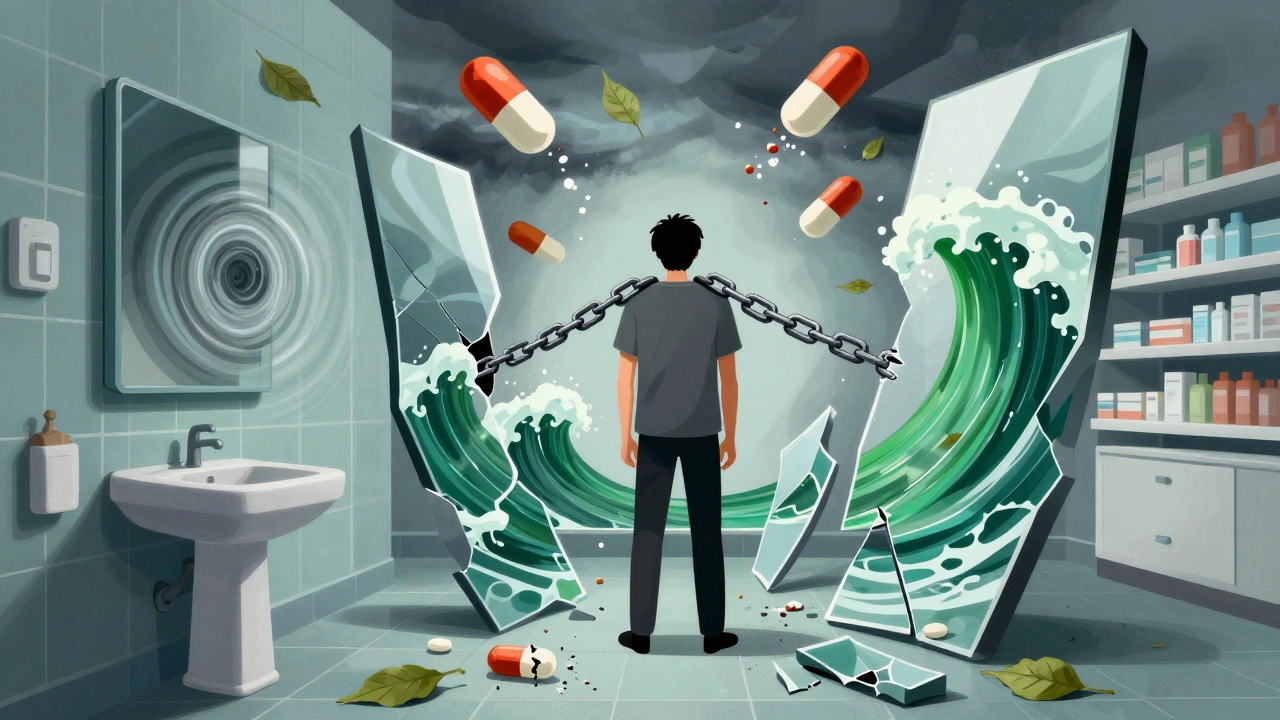
Side Effects and Medication Adherence: How to Stay on Track When Drugs Cause Problems
Side effects are the hidden reason most people stop taking their meds. Learn how to manage them, talk to your pharmacist, and stay on track - without feeling guilty or alone.