Adherence Strategies: Simple Ways to Take Your Medications Right Every Time
When you’re told to take a medication daily, it sounds easy—until you forget, get busy, or feel fine and think you don’t need it anymore. Adherence strategies, practical methods to help people take their medicines as prescribed. Also known as drug compliance, these aren’t just about remembering pills—they’re about building habits that fit your life, not the other way around. Skipping doses, stopping early, or mixing pills without checking with your doctor doesn’t just waste money—it can make your condition worse, cause dangerous side effects, or even lead to hospital visits.
Medication adherence, how well a patient follows their prescribed treatment plan is a silent problem. Studies show nearly half of people with long-term conditions don’t take their meds correctly. It’s not laziness. It’s confusion about dosing, fear of side effects, cost, or just not knowing how to fit it into a busy morning. That’s where pill taking habits, daily routines built around medication use make the difference. Using a pill organizer, linking doses to meals or brushing your teeth, setting phone alarms—these aren’t fancy tricks. They’re tools that work because they turn a chore into a cue. And when you combine that with clear communication with your pharmacist—like asking what to do if you miss a dose—you cut down on guesswork and risk.
Adherence isn’t just about pills. It’s about understanding why you’re taking them. If you’re on blood pressure meds and feel fine, you might think they’re not working. But that’s exactly when they’re doing their job. If you’re on antibiotics and stop after three days because you feel better, you’re not helping—you’re risking a stronger infection. Medication errors, mistakes in taking, prescribing, or dispensing drugs happen more often than you think, and many come from poor adherence. That’s why the posts here cover real issues: how to read liquid labels correctly, what to do when generics have different fillers, how to talk to your doctor about past reactions, and how to safely taper off drugs like benzodiazepines. These aren’t abstract topics—they’re the daily struggles people face when trying to stay healthy.
You don’t need to be perfect. You just need to be consistent. The best adherence strategies are the ones you can stick to. Whether it’s using a weekly pill box, syncing doses with your coffee routine, or keeping a simple log, find what works for your rhythm. And if you’re ever unsure—ask. Your pharmacist isn’t just there to hand out pills. They’re there to help you understand them.
Below, you’ll find real advice from people who’ve been there—how to handle expired meds, avoid dangerous interactions, manage complex drug schedules, and speak up when something doesn’t feel right. No fluff. No jargon. Just what actually helps.
Side Effects and Medication Adherence: How to Stay on Track When Drugs Cause Problems
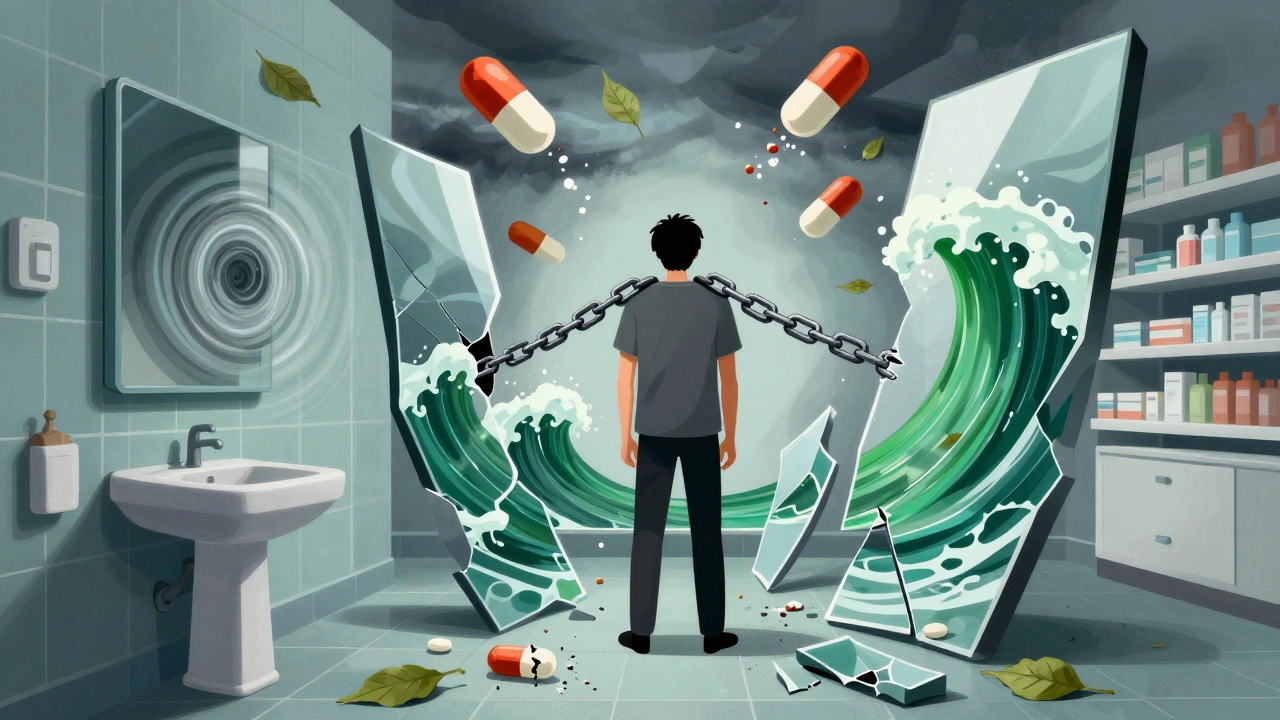
Side effects are the hidden reason most people stop taking their meds. Learn how to manage them, talk to your pharmacist, and stay on track - without feeling guilty or alone.