Antibiotic Stewardship: Smart Use of Antibiotics to Protect Your Health
When we talk about antibiotic stewardship, the responsible use of antibiotics to preserve their effectiveness and reduce harm. Also known as antimicrobial stewardship, it’s not just a hospital policy—it’s something that affects every person who’s ever taken a pill for a sore throat or a sinus infection. Antibiotics save lives, but they’re not magic bullets. Every time you take one when you don’t need it, you help bacteria become stronger. That’s how antibiotic resistance spreads—not just in hospitals, but in homes, schools, and farms. The World Health Organization calls it one of the top 10 global public health threats, and it’s growing faster than new drugs can be made.
Antibiotic stewardship isn’t about avoiding antibiotics altogether. It’s about using them correctly. That means only taking them when a bacterial infection is confirmed—not for colds, flu, or most coughs, which are viral. It means finishing the full course even if you feel better, because stopping early lets the toughest bacteria survive and multiply. It also means doctors prescribing the right drug, at the right dose, for the right length of time. This isn’t guesswork. Guidelines from the CDC and WHO are clear: narrow-spectrum antibiotics are better than broad ones when possible, and shorter courses often work just as well as longer ones. And here’s the thing: antibiotic overuse, the unnecessary or inappropriate use of antibiotics. Also known as misuse of antibiotics, it’s happening everywhere—from patients demanding pills at the pharmacy to farmers using them to fatten livestock. This isn’t just a medical issue. It’s a societal one. When antibiotics stop working, routine surgeries, chemotherapy, and even minor cuts can become deadly again.
What you’ll find in these articles isn’t theory—it’s real-world insight. You’ll read about how appropriate antibiotic use, the practice of prescribing and taking antibiotics only when truly needed affects your body’s microbiome, why some pharmacies now refuse to hand out antibiotics without a clear diagnosis, and how patient questions can change a doctor’s decision. You’ll see how antimicrobial resistance, the ability of microbes to resist the effects of drugs designed to kill them shows up in unexpected places—from skin infections to urinary tract infections—and what you can do to reduce your risk. These aren’t abstract warnings. They’re practical facts that help you make smarter choices, ask better questions, and protect not just yourself, but the people around you.
Antibiotic stewardship starts with you. Not with a policy document, not with a hospital protocol—but with the next time you or someone you love feels sick and wonders, "Should I take an antibiotic?" The answer might surprise you. And the next time you walk into a pharmacy, you’ll know exactly what to ask.
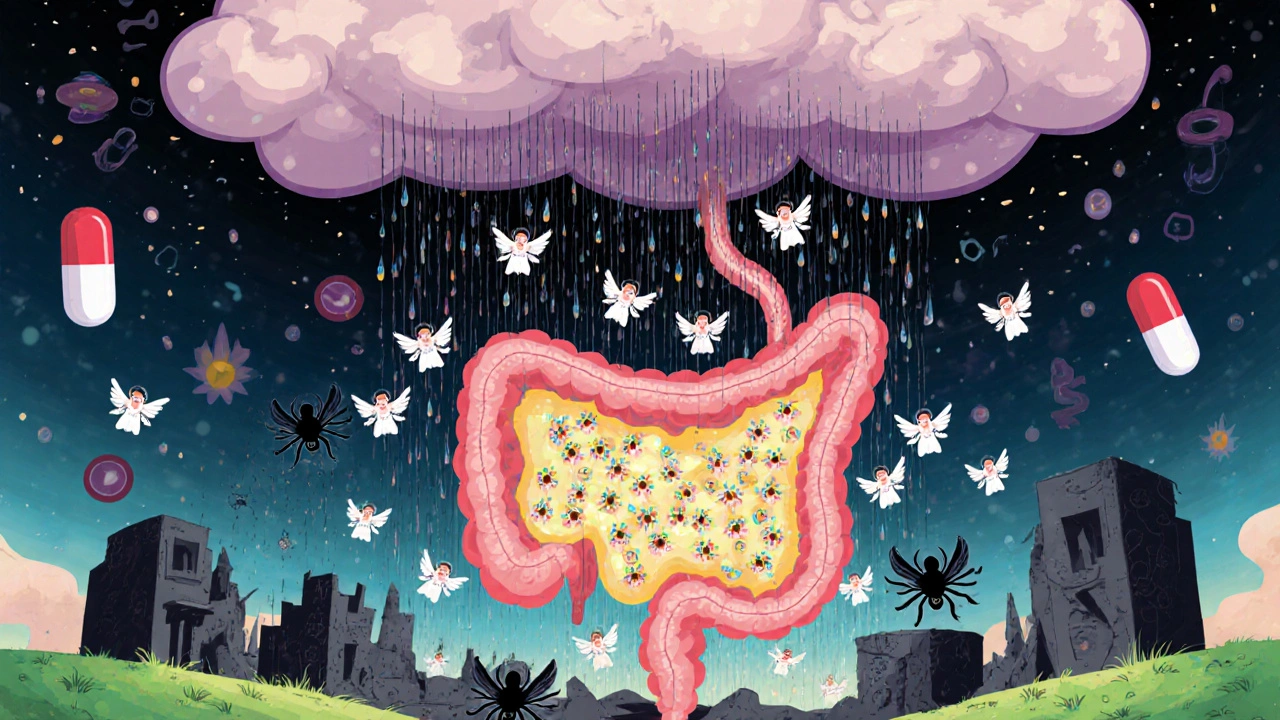
Antibiotic Stewardship: How to Prevent Resistance and Protect Your Gut Health
Antibiotic stewardship means using antibiotics only when necessary to prevent resistance and protect gut health. Learn how overuse leads to C. diff, superbugs, and long-term harm-and what you can do to help.