Appropriate Antibiotic Use: Why Misuse Leads to Resistance and How to Get It Right
When you take an antibiotic, a medicine designed to kill or stop the growth of bacteria. Also known as antibacterial agents, they save lives—but only when used the right way. Too many people think antibiotics cure colds, flu, or sore throats caused by viruses. They don’t. Using them when they’re not needed doesn’t speed up recovery. It just makes future infections harder to treat.
Antibiotic resistance, when bacteria evolve to survive drug exposure, is now a global crisis. The WHO calls it one of the top 10 public health threats. It’s not science fiction. In hospitals and homes, people are dying from infections that once responded to cheap pills. This happens because antibiotics are overprescribed, taken incorrectly, or used in agriculture to grow livestock. Every time you take an antibiotic unnecessarily, you’re helping resistant bacteria win. Antibiotic prescribing, the process doctors use to decide when to give antibiotics, should be based on clear evidence—not patient pressure or convenience. A 2023 CDC report found nearly half of outpatient antibiotic prescriptions in the U.S. are inappropriate. That means millions of people are exposed to side effects like diarrhea, yeast infections, and allergic reactions with zero benefit.
So what does appropriate antibiotic use look like? It means taking them only when a bacterial infection is confirmed—like strep throat, urinary tract infections, or certain pneumonia cases. It means finishing the full course, even if you feel better. It means never sharing pills or using leftover antibiotics from past illnesses. And it means asking your doctor: "Is this really a bacterial infection?" or "What happens if I don’t take this?"
Some infections don’t need antibiotics at all. Ear infections in older kids? Often clear on their own. Sinus infections? Most are viral. Bronchitis? Almost never bacterial. Waiting and watching can be smarter than rushing to a pill. But when antibiotics are needed, they’re lifesavers. The key is knowing the difference.
Below, you’ll find real-world guides on how to avoid common mistakes, understand when antibiotics are truly necessary, and recognize dangerous interactions with other meds. You’ll learn how to talk to your pharmacist, spot red flags in prescriptions, and protect yourself from the silent rise of superbugs. This isn’t about fear. It’s about taking control—before the next infection doesn’t respond to anything.
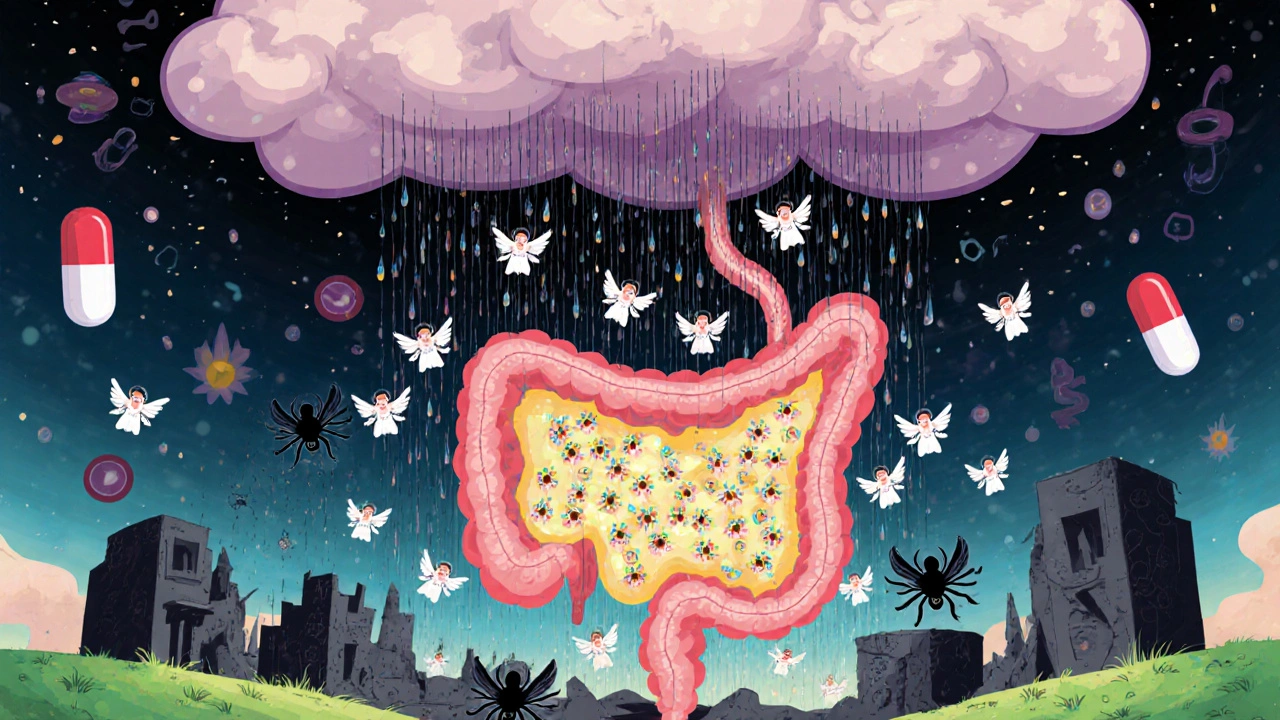
Antibiotic Stewardship: How to Prevent Resistance and Protect Your Gut Health
Antibiotic stewardship means using antibiotics only when necessary to prevent resistance and protect gut health. Learn how overuse leads to C. diff, superbugs, and long-term harm-and what you can do to help.