C. difficile: Causes, Risks, and How Medications Can Trigger It
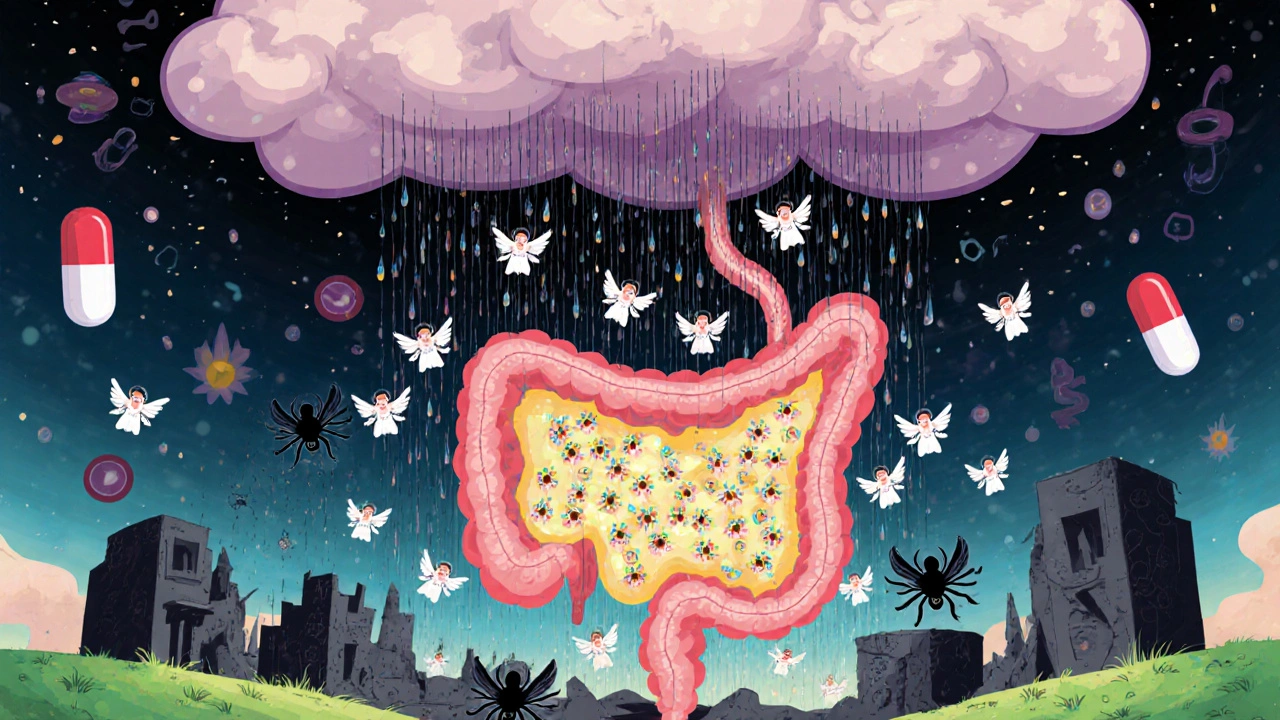
When you take antibiotics, you’re not just killing bad bacteria—you’re also wiping out the good ones that keep your gut in balance. That’s when C. difficile, a bacteria that causes severe diarrhea and colitis, often after antibiotic use. Also known as Clostridioides difficile, it thrives when the normal gut flora is disrupted. This isn’t just a mild stomach upset. C. difficile can lead to life-threatening inflammation of the colon, especially in older adults or people who’ve been in hospitals or nursing homes.
It’s not just any antibiotic that triggers it. Clindamycin, fluoroquinolones, and cephalosporins are the usual suspects. But even common ones like amoxicillin or ampicillin can set it off. The real danger? Once C. difficile takes hold, it releases toxins that damage the intestinal lining. You might start with watery diarrhea, but it can quickly turn into bloody stools, fever, and severe abdominal pain. And once you’ve had it once, you’re more likely to get it again—sometimes multiple times.
What makes this even trickier is that it spreads easily in healthcare settings. A single contaminated surface, an uncleaned hand, or a shared bathroom can pass it on. That’s why hospitals have strict cleaning rules and why patients on long-term antibiotics are monitored closely. Even over-the-counter probiotics can’t always prevent it, and some studies show they might not help much at all. The best defense? Only take antibiotics when absolutely necessary, and never share them or use leftover pills.
There’s more to the story than just antibiotics. People with weakened immune systems, those on acid-reducing drugs like proton pump inhibitors, or anyone with chronic bowel conditions are at higher risk. And while fecal transplants are now used to treat recurring cases, they’re not a first-line fix—they’re a last resort when other treatments fail. Understanding how C. difficile works helps you ask the right questions before starting any new medication.
What you’ll find in the posts below are real stories and practical advice about how medications interact with your gut health. From how common drugs like PPIs increase infection risk, to what you need to tell your doctor before surgery if you’ve had C. difficile before, these articles give you the tools to protect yourself. You’ll also see how excipients in generics, drug interactions, and even herbal supplements can play a hidden role in your gut’s balance. This isn’t theoretical—it’s about what happens in real bodies, after real prescriptions.
Antibiotic Stewardship: How to Prevent Resistance and Protect Your Gut Health
Antibiotic stewardship means using antibiotics only when necessary to prevent resistance and protect gut health. Learn how overuse leads to C. diff, superbugs, and long-term harm-and what you can do to help.