Drug Reactions: What You Need to Know About Side Effects and Interactions
When your body responds unexpectedly to a medication, that’s a drug reaction, an unintended response to a medication that can range from mild irritation to life-threatening events. Also known as adverse drug events, these reactions aren’t always about allergies—they can come from how drugs interact with each other, your liver, your kidneys, or even what you eat. A simple painkiller might seem harmless, but mix it with another pill, supplement, or herb, and suddenly you’re at risk for liver damage, dangerous bleeding, or strange side effects like memory loss or dizziness.
Many drug interactions, happen when one medication changes how another is processed in your body. For example, theophylline can build up to toxic levels if you take it with common antibiotics or even some herbal teas. excipients in generics, the inactive ingredients like lactose or dyes, can trigger reactions too—even if the active drug is identical to the brand-name version. And don’t forget kava or garlic supplements: natural doesn’t mean safe when mixed with sedatives or blood thinners. These aren’t rare edge cases. They show up in real people’s lives: someone taking warfarin gets a nosebleed after a garlic pill, or a person with kidney disease gets confused after a standard dose of a drug their body can’t clear.
Drug reactions don’t always show up right away. Sometimes they build slowly—like memory loss from long-term benzodiazepine use, or Barrett’s esophagus from years of untreated GERD. Other times, they hit fast: anaphylaxis from an expired epinephrine auto-injector, or liver failure from mixing kava with anxiety meds. The key isn’t just knowing the drug name—it’s understanding how your body handles it, what else you’re taking, and whether your kidneys or liver are working normally. That’s why asking your pharmacist the right questions matters more than you think.
What you’ll find below isn’t a list of scary stories. It’s a practical guide to spotting red flags before they become emergencies. From how generics can trigger intolerance to why some drugs become dangerous in kidney disease, these posts give you the real details—not just warnings, but what to do next. You’ll learn which meds to avoid, how to read labels safely, and when to walk away from a prescription that doesn’t fit your body. No fluff. Just what you need to take control of your meds and stay out of the ER.
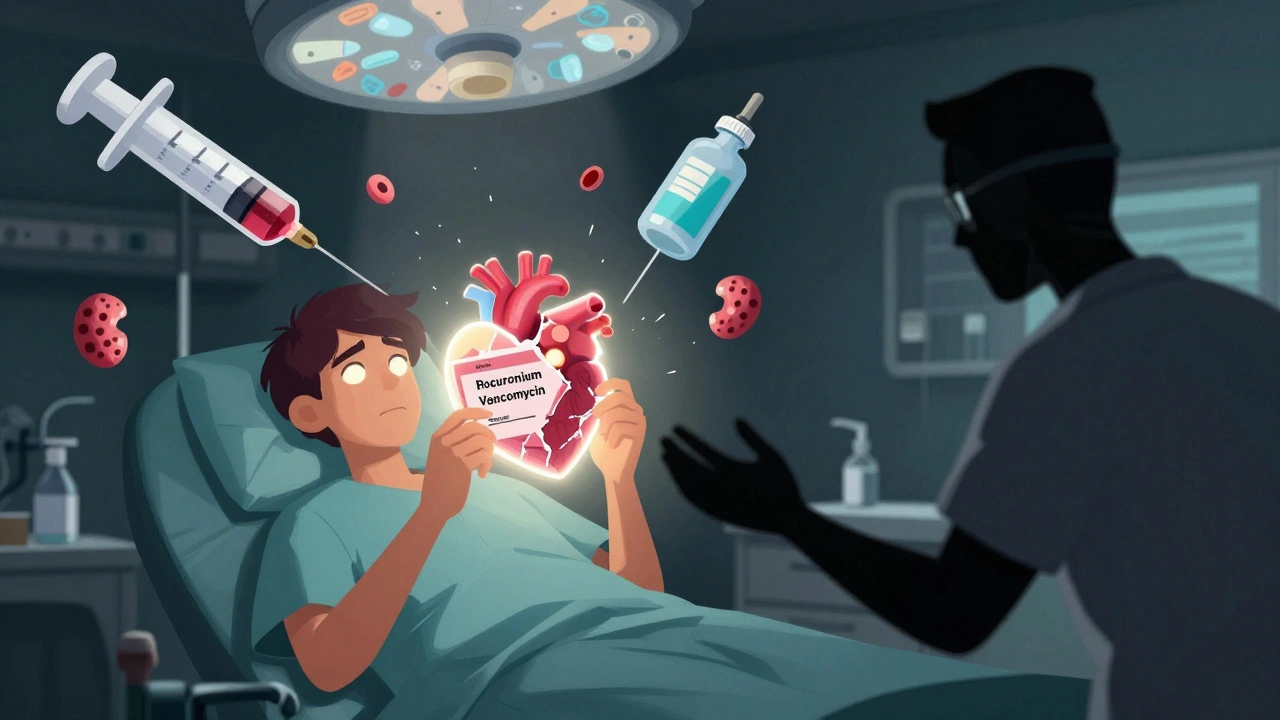
How to Communicate Past Drug Reactions Before Surgery
Learn how to clearly communicate past drug reactions before surgery to prevent life-threatening complications. Step-by-step guidance on what to tell your medical team, which drugs are risky, and how to ensure your history is properly documented.