Elderly Medication Safety: Protect Seniors from Dangerous Drug Interactions and Side Effects
When it comes to elderly medication safety, the practice of managing drug use in older adults to prevent harm from interactions, side effects, and improper dosing. Also known as geriatric pharmacotherapy, it’s not just about giving the right pill—it’s about knowing which pills shouldn’t be given together, who’s most at risk, and how small mistakes can lead to hospitalization or worse. Nearly 40% of adults over 65 take five or more prescription drugs daily. That’s not unusual—it’s the norm. But each extra pill adds a new chance for something to go wrong.
One of the biggest dangers is drug interactions, when two or more medications react in the body to create unexpected, sometimes deadly effects. A common blood thinner like warfarin can turn dangerous if paired with garlic supplements or certain antibiotics. Benzodiazepines, often prescribed for anxiety or sleep, increase fall risk by up to 50% in seniors and can cause lasting memory loss. These aren’t rare cases—they happen every day in homes across the country. And many doctors don’t catch them because they’re focused on one condition at a time, not the full picture of what the patient is taking.
medication adherence, how consistently a patient takes their drugs as prescribed is another silent killer. Seniors might skip doses because the pills look too similar, forget because of memory issues, or stop because of side effects like dizziness or nausea—and they’re too embarrassed to say anything. That’s why talking to a pharmacist isn’t optional—it’s essential. Pharmacists see the whole list, not just one prescription. They know which drugs affect kidney function, which ones build up in the body as people age, and which inactive ingredients (like lactose or dyes) might trigger reactions in sensitive individuals.
And then there’s the issue of nephrotoxic drugs, medications that damage the kidneys, which naturally decline in function with age. A simple painkiller like ibuprofen might seem harmless, but in someone with reduced kidney function, it can cause acute injury. The same goes for some antibiotics, contrast dyes, and even certain supplements. The key isn’t avoiding all meds—it’s matching the right drug to the right person at the right dose. That means checking eGFR numbers, adjusting doses, and sometimes switching to safer alternatives.
It’s not about scaring people away from medicine. It’s about using it smarter. Seniors deserve to live without fear of falling, forgetting, or getting sick from the very pills meant to help them. The good news? Most of these risks are preventable—with better communication, smarter prescribing, and a little more attention to detail.
Below, you’ll find real, practical guides on what to watch for, what to ask your doctor, and how to spot the hidden dangers in everyday prescriptions. From benzodiazepine tapering to kidney-safe pain relief, these posts give you the tools to protect someone you love—or yourself.
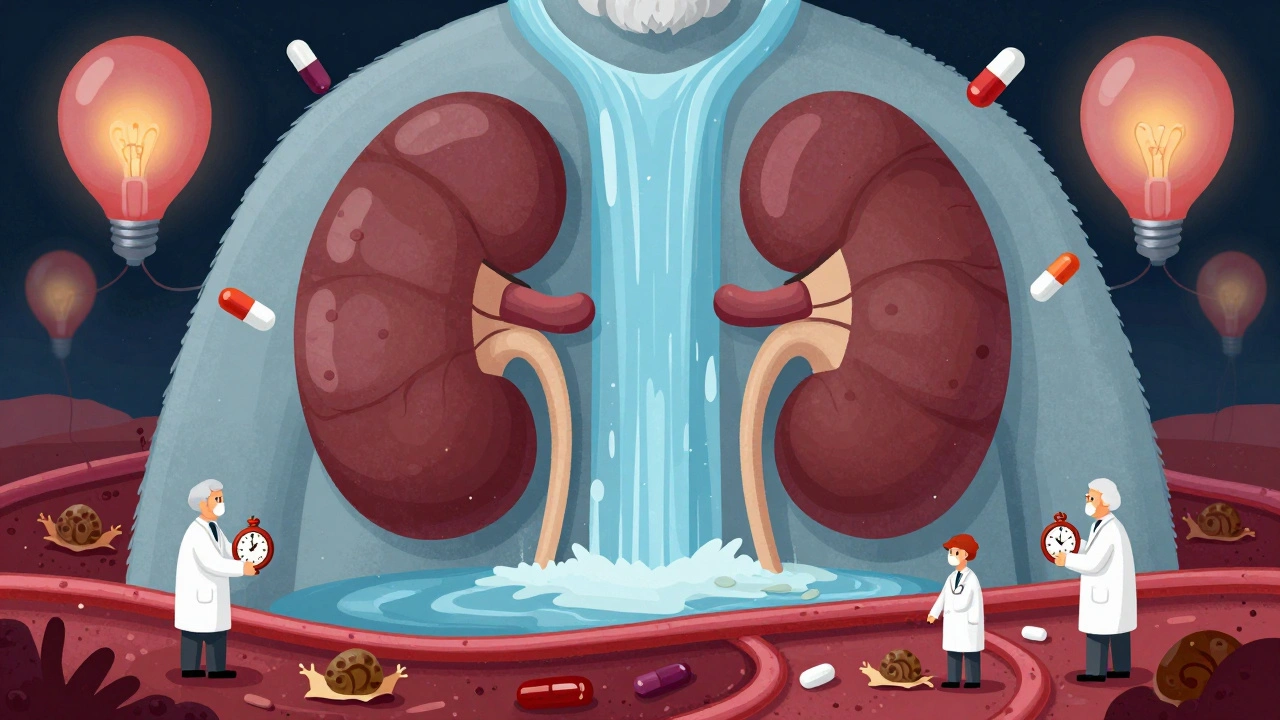
How Aging Changes Your Body’s Response to Medication and Dosing
Aging alters how your body absorbs, processes, and responds to medications. Learn why seniors need lower doses, which drugs are riskiest, and how to avoid dangerous side effects with practical steps and expert guidance.