Epinephrine Expiration: What You Need to Know About Shelf Life and Safety
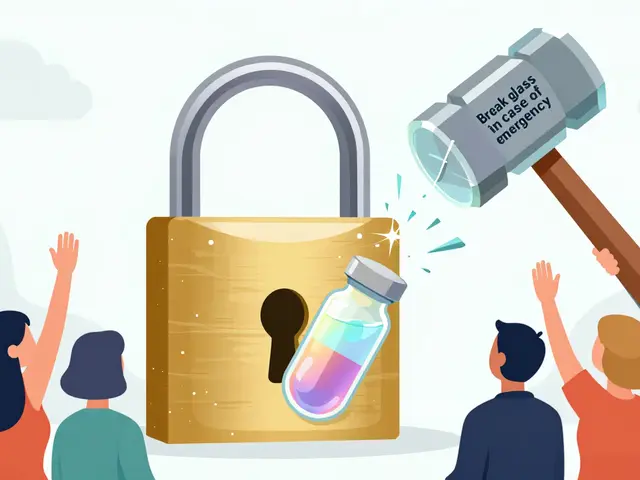
When your life depends on a single injection, epinephrine expiration, the point at which the medication loses its ability to reverse a life-threatening allergic reaction. Also known as adrenaline, it’s the only drug that can stop anaphylaxis in its tracks. If it’s expired, damaged, or stored wrong, it might not work when you need it most.
Epinephrine auto-injector, a portable device like EpiPen or Adrenaclick designed for emergency use is meant to be carried everywhere—your purse, car, backpack, or workplace. But heat, light, and time degrade the drug inside. Studies show that even unopened auto-injectors can lose up to 10% of their potency within months of the expiration date, and more after that. Cold storage helps, but freezing? That ruins it. Storing it in your glove compartment in summer? That’s a recipe for failure.
Epinephrine shelf life, how long the medication remains effective before it degrades is usually 12 to 18 months from manufacture. But many people don’t check their injector until they’re in panic mode. That’s too late. If your epinephrine looks brown, cloudy, or has particles in it, toss it—even if it’s not expired. The color change means the chemical has broken down. And if you’ve had it for over a year? Replace it. Don’t gamble with your life.
Some people think they can stretch an expired dose in an emergency. Don’t. It’s not worth the risk. A study published in the Journal of Allergy and Clinical Immunology found that expired epinephrine auto-injectors delivered only 40% to 60% of the labeled dose. That’s not enough to open airways or raise blood pressure during anaphylaxis. You need the full dose. No compromises.
And here’s the hard truth: pharmacies and insurance companies often don’t replace expired injectors unless you’ve already had a reaction. So you’re stuck paying out of pocket. But here’s what you can do—set a calendar reminder three months before expiration. Call your pharmacy. Ask if they offer a discount program. Check if your manufacturer has a patient assistance plan. Some companies give free replacements if you register your device.
Don’t confuse epinephrine with other meds. Unlike antibiotics or painkillers, you can’t just take a little less if the dose is low. Epinephrine doesn’t work on a sliding scale. Either it hits hard and fast, or it doesn’t work at all. There’s no middle ground.
If you or someone you care about has severe allergies, you need to treat epinephrine like a fire extinguisher—check it regularly, replace it before it fails, and never assume it’s still good. Keep one at home. One at work. One in your kid’s backpack. And always, always know where the next one is.
Below, you’ll find real-world advice on how to spot degraded epinephrine, what to do if you’re stuck with an expired injector, how to store it properly in extreme climates, and how to talk to your doctor about getting replacements without breaking the bank. This isn’t theoretical. These are the things people wish they’d known before it was too late.
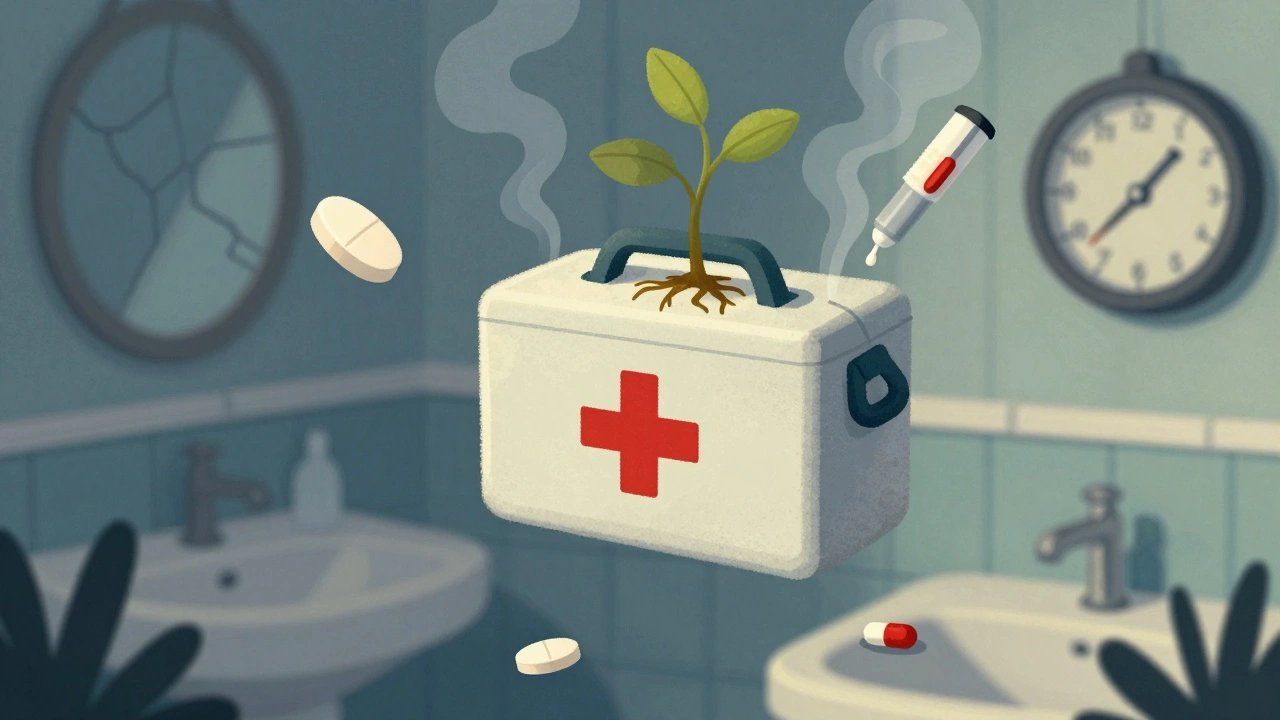
How to Decide When to Replace Expired OTC First-Aid Medications
Learn which expired OTC first-aid meds are safe to use and which must be replaced immediately. Get clear, practical advice on checking, storing, and disposing of expired medications to keep your first-aid kit reliable.