Expired OTC Medications: What Happens When Your Pills Go Bad
When you find an old bottle of painkillers or allergy pills in the back of your medicine cabinet, you might wonder: is it still safe to take? Expired OTC medications, over-the-counter drugs that have passed their manufacturer-set expiration date. Also known as out-of-date pills, they don’t suddenly turn poisonous—but they often stop working the way they should. The FDA requires expiration dates based on stability testing, not guesswork. That date means the drug is guaranteed to be fully potent and safe up to that point. After? No one can say for sure.
Some expired pills, medications that have degraded beyond their labeled effectiveness, like antibiotics or insulin, can become dangerous if used after expiring. But for most common OTC drugs—ibuprofen, acetaminophen, antihistamines—the bigger risk isn’t toxicity, it’s ineffectiveness. Taking an expired cold pill won’t kill you, but it might not stop your runny nose either. Drug safety, the practice of using medications in a way that minimizes harm means respecting those dates, especially for things like epinephrine auto-injectors or nitroglycerin, where even slight loss of strength could be life-threatening.
Storage matters just as much as the date. Heat, moisture, and light break down pills faster than time alone. A bathroom cabinet? Bad idea. A cool, dry drawer? Much better. Even if the bottle says "expires 2025," if it’s been sitting above your shower for three years, it’s already compromised. OTC drug storage, how you keep medications at home to preserve their integrity is often ignored—but it’s the hidden factor behind most failures.
You’ll find stories online about people taking expired meds with no issues. That’s possible—but it’s luck, not science. The same pill might work fine one year after expiry, or fall apart the next. There’s no reliable way to tell without a lab. And if you’re treating something serious—high blood pressure, heart rhythm, chronic pain—playing roulette with your meds isn’t worth it.
What about those old bottles of aspirin that smell like vinegar? That’s acetic acid forming as the drug breaks down. Don’t take it. What about liquid cough syrup that’s changed color? Toss it. Solid tablets that are cracked, sticky, or discolored? Same rule. The expiration date is the floor, not the ceiling. If something looks or smells wrong, it’s not just expired—it’s damaged.
This collection dives into real-world cases where expired or improperly stored drugs caused problems—or narrowly avoided them. You’ll see how common OTC items like antihistamines, pain relievers, and even supplements degrade over time. You’ll learn what the FDA actually says about expiration dates, how pharmacies handle returned meds, and why some companies push expiration dates far earlier than needed. We’ll also cover what to do with old pills you’re not using anymore, because flushing them or tossing them in the trash isn’t always safe either.
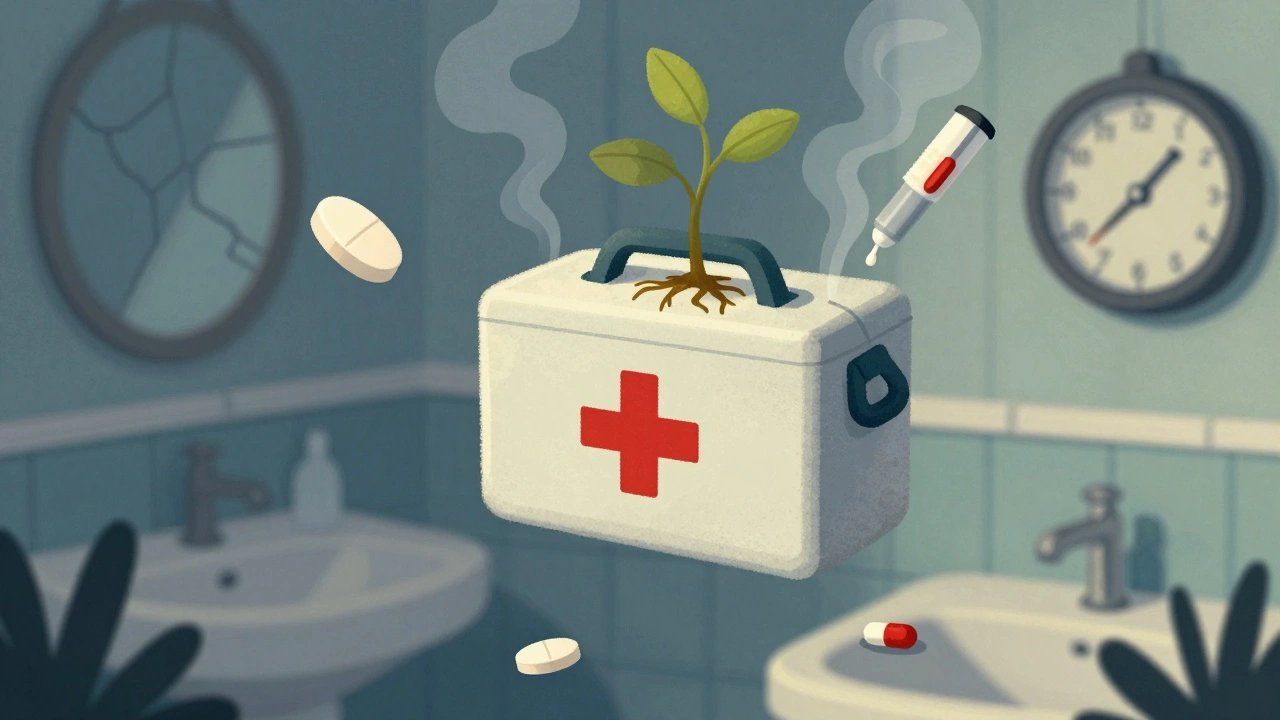
How to Decide When to Replace Expired OTC First-Aid Medications
Learn which expired OTC first-aid meds are safe to use and which must be replaced immediately. Get clear, practical advice on checking, storing, and disposing of expired medications to keep your first-aid kit reliable.