Kava Liver Damage: Risks, Signs, and What You Need to Know
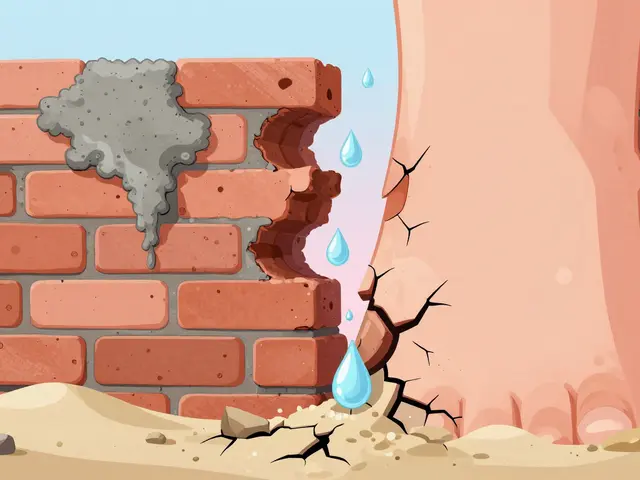
When people turn to kava, a traditional Pacific Islander herbal remedy used for relaxation and anxiety relief. Also known as Piper methysticum, it's been sold as tea, capsules, and liquid extracts for decades. But behind its calming reputation lies a serious risk: liver damage, a rare but potentially life-threatening reaction to certain herbal products. While most users take kava without issue, hundreds of documented cases show it can cause hepatitis, cirrhosis, and even liver failure—some requiring transplants.
Not everyone who uses kava gets hurt, but the damage isn’t random. It’s tied to how it’s made, how much you take, and what else you’re using. Extracts made from the plant’s root are safer than those using stems or leaves, which contain more toxic compounds. People who drink alcohol, take acetaminophen, or use other liver-metabolized drugs like statins or antidepressants are at higher risk. The hepatotoxicity, the capacity of a substance to cause liver injury from kava isn’t well understood, but it likely involves how the body breaks down its active compounds, called kavalactones. Some users develop symptoms after just a few weeks; others after months. Fatigue, dark urine, yellow eyes, nausea, and abdominal pain are red flags—none of them subtle.
Regulators in Europe, Canada, and Australia have issued warnings or banned kava products. The FDA hasn’t banned it, but it’s issued multiple alerts since 2002. If you’ve been using kava for anxiety or sleep, ask yourself: Is the benefit worth the risk? There are safer alternatives—like cognitive behavioral therapy, magnesium, or prescription options with better safety profiles. And if you’ve used kava and feel off, don’t wait. Get a liver function test. Your doctor doesn’t always ask about herbal supplements, so you have to speak up.
Below, you’ll find real-world cases, safety tips, and connections to other herbal risks—like garlic and licorice—that also affect the liver. These aren’t theoretical concerns. They’re documented, preventable, and often ignored until it’s too late. Know the signs. Protect your liver. Make informed choices.
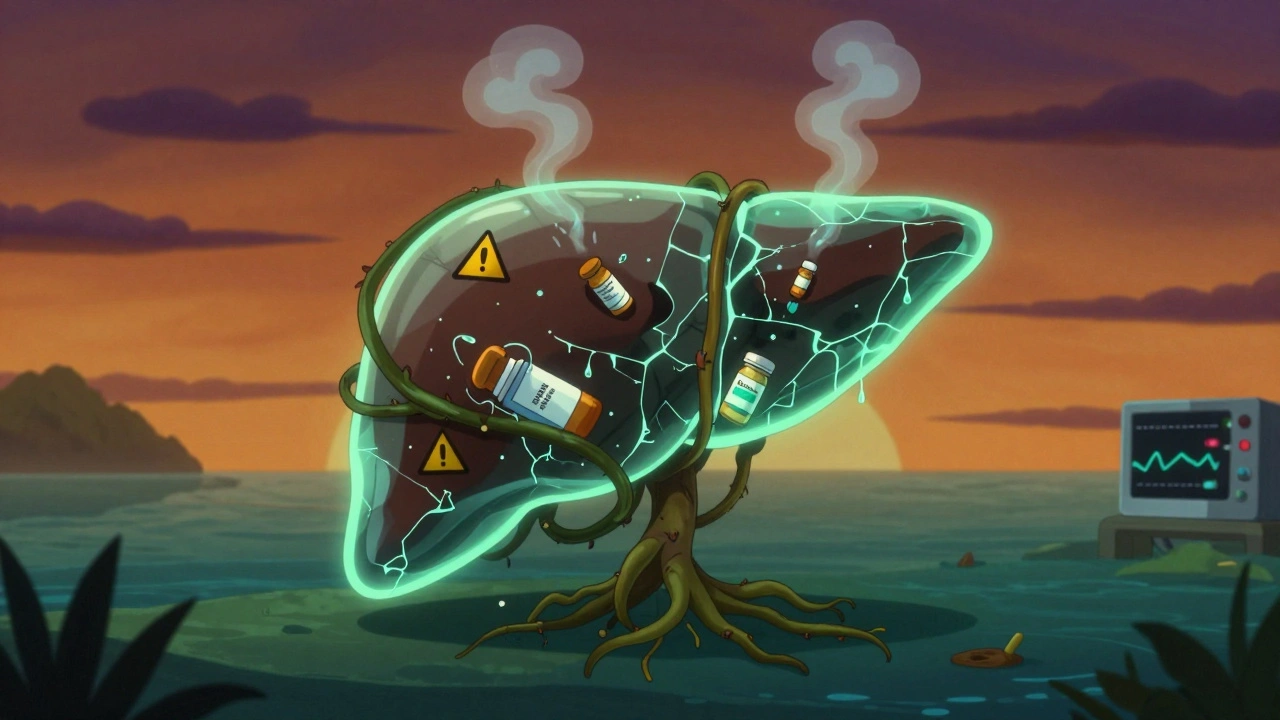
Kava and Sedative Medications: What You Need to Know About Liver and Sedation Risks
Mixing kava with sedative medications can cause dangerous liver damage and excessive drowsiness. Learn the real risks, who's most vulnerable, and what safer alternatives exist.