Kava Side Effects: What You Need to Know Before Using It
When people turn to kava, a traditional Pacific Island plant used for its calming effects. Also known as Piper methysticum, it’s often chosen as a natural alternative to prescription anxiety meds. But unlike herbal teas, kava has real, documented risks — especially for your liver. It’s not just about feeling relaxed. If you’re thinking about using kava, you need to know what can go wrong — and who’s most likely to get hurt.
Liver damage, a serious and sometimes irreversible side effect linked to kava use is the biggest red flag. Cases have been reported in the U.S., Europe, and Australia where people developed hepatitis, cirrhosis, or even needed liver transplants after taking kava supplements. It’s not common, but it’s not rare either. People who take kava daily for months, especially in high doses, are at higher risk. And it doesn’t matter if the product is labeled "organic" or "natural" — those words don’t make it safe.
Drug interactions, how kava reacts with other medications you’re already taking are another major concern. Kava can interfere with how your liver processes common drugs — like antidepressants, sedatives, or even over-the-counter pain relievers. If you’re on anything that affects your central nervous system, mixing it with kava could make you dizzy, drowsy, or worse. It’s also risky if you drink alcohol. Studies show the combo can increase liver stress dramatically. And if you’re planning surgery, stop kava at least two weeks before. Anesthesia doesn’t play nice with it.
Then there’s kava withdrawal, the physical and mental symptoms that can happen after stopping regular use. People who’ve used kava daily for weeks or months report trouble sleeping, irritability, muscle aches, and even anxiety spikes when they quit. It’s not like opioid withdrawal — but it’s real enough to make people go back to using it just to feel normal again.
You’ll also see reports of skin changes — a scaly, yellowish rash called kava dermopathy. It’s not dangerous, but it’s ugly. And it goes away after you stop using kava. Some people get nausea or headaches, especially when they start. Others feel sluggish or lose appetite. These aren’t "mild" side effects — they’re signs your body isn’t handling it well.
Not everyone reacts the same. Older adults, people with existing liver conditions, or those taking multiple medications are at higher risk. Women may be more sensitive to liver toxicity, though the science isn’t settled. And there’s no safe dose everyone agrees on. Some products use root only — others include stems or leaves, which may be more toxic. Labels don’t always tell you what’s really inside.
What you’ll find below are real, practical posts that dig into the details. You’ll see how kava interacts with blood thinners, why some people get sick while others don’t, what the FDA and European agencies actually say about it, and how to spot a risky supplement. No fluff. No marketing. Just what you need to decide if kava is worth the risk — or if you’re better off looking elsewhere.
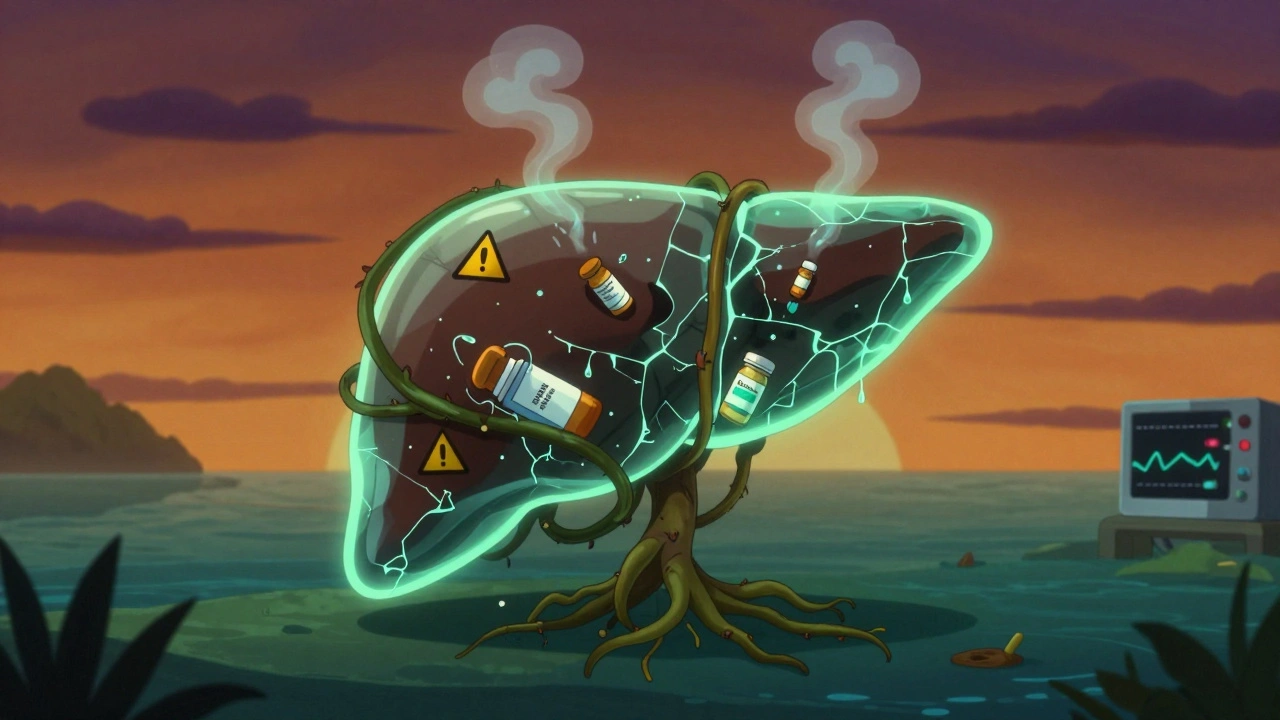
Kava and Sedative Medications: What You Need to Know About Liver and Sedation Risks
Mixing kava with sedative medications can cause dangerous liver damage and excessive drowsiness. Learn the real risks, who's most vulnerable, and what safer alternatives exist.