Medication Safety: How to Use Drugs Wisely and Avoid Harm
When you take a medication safety, the practice of using drugs in a way that minimizes harm and maximizes benefit. Also known as drug safety, it’s not just about following the label—it’s about understanding how your body reacts, what else you’re taking, and when something feels off. Too many people think if a drug is prescribed or sold over the counter, it’s automatically safe. But drug interactions, when two or more medications affect each other’s action in the body can turn a harmless pill into a serious risk. For example, hormone replacement therapy can make epilepsy meds less effective, and switching from prescription to OTC versions without knowing the full picture can lead to accidental overdoses.
adverse event reporting, the process of tracking and sharing unexpected side effects from medications is how we learn what’s really happening out there. Biosimilars, for instance, aren’t just cheap copies—they need special monitoring because their complex makeup can trigger different reactions than traditional drugs. Even common things like ketoconazole shampoo or gabapentin can cause problems if used wrong or mixed with other substances. And when it comes to opioids, the withdrawal timeline isn’t just about discomfort—it’s a medical event that needs supervision. The posts below show real cases: people who switched blood pressure meds after Combipres didn’t work, parents managing hepatitis B in kids, or folks comparing ED drugs to avoid dangerous side effects. These aren’t theoretical concerns. They’re daily decisions.
Medication safety isn’t something you learn once and forget. It’s an ongoing conversation—with your doctor, your pharmacist, and yourself. It’s asking why a drug was chosen over another. It’s checking if your new OTC painkiller clashes with your heart medicine. It’s knowing when to report a weird rash or dizziness. The collection here doesn’t just list drugs—it shows you how to think about them. You’ll find clear comparisons, real-world risks, and practical steps to take control. Whether you’re managing diabetes with linagliptin, handling gout with probenecid, or dealing with opioid withdrawal, the goal is the same: use what you need, avoid what you don’t, and never stay silent when something feels wrong.

Preventing Medication Errors During Care Transitions and Discharge
Explore critical strategies for preventing medication errors during patient care transitions, focusing on reconciliation, technology limitations, and pharmacist-led interventions.
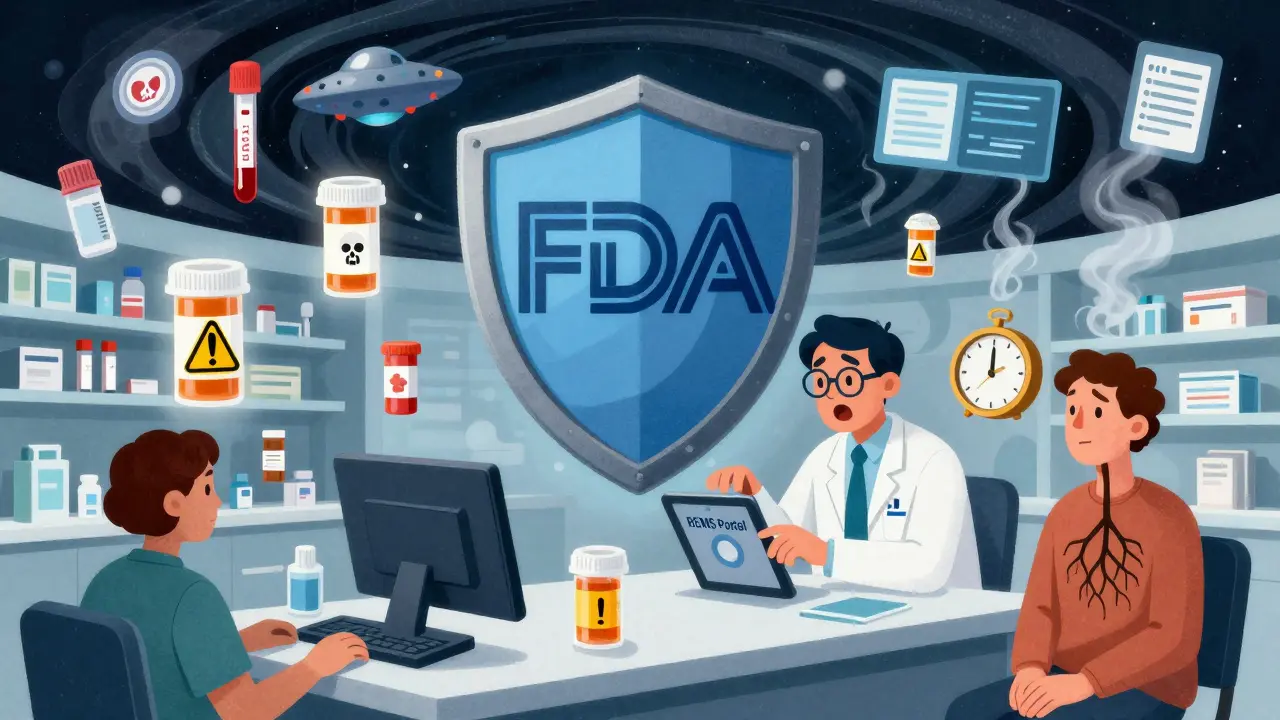
REMS Programs Explained: How the FDA Manages High-Risk Medications
REMS programs are FDA-mandated safety systems for high-risk medications. They require special training, registries, and monitoring to prevent serious side effects. Learn how they work, why they cause delays, and how they're changing.
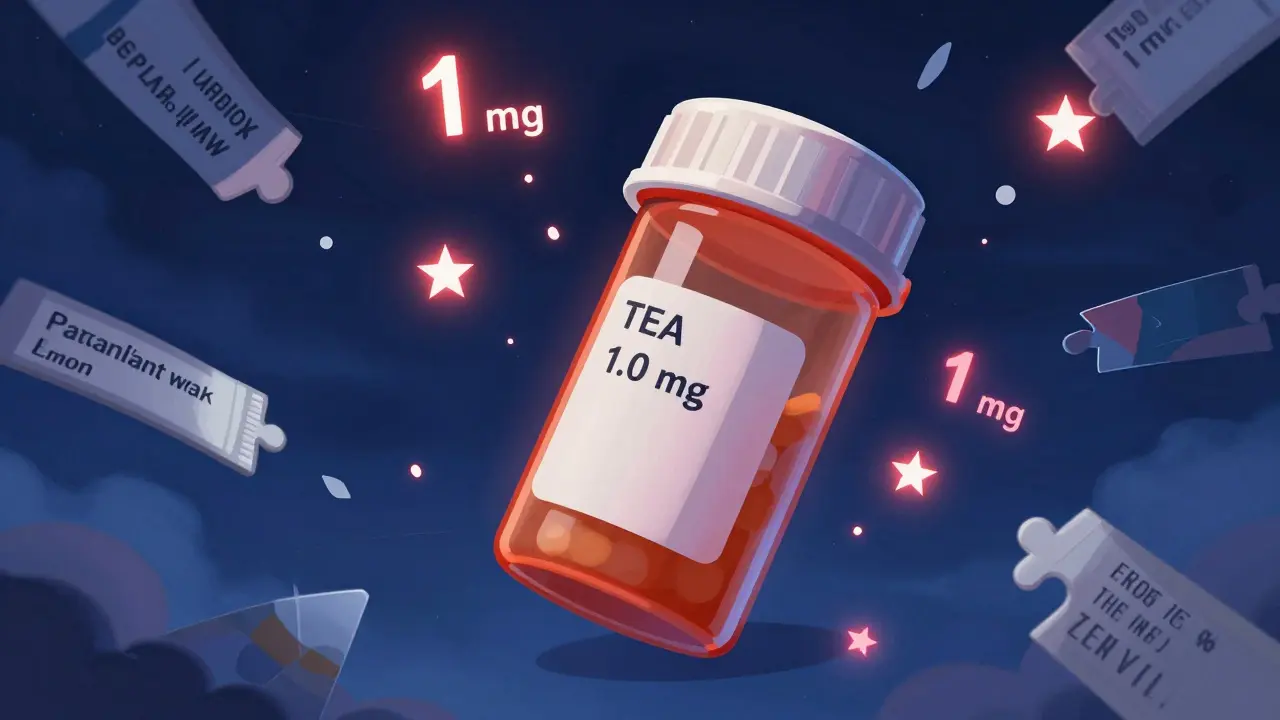
How to Safely Transfer Prescriptions and Keep Label Accuracy
Learn how to safely transfer prescriptions while avoiding dangerous labeling errors. Understand DEA rules, electronic transfer requirements, and what must be on every prescription label to prevent life-threatening mistakes.
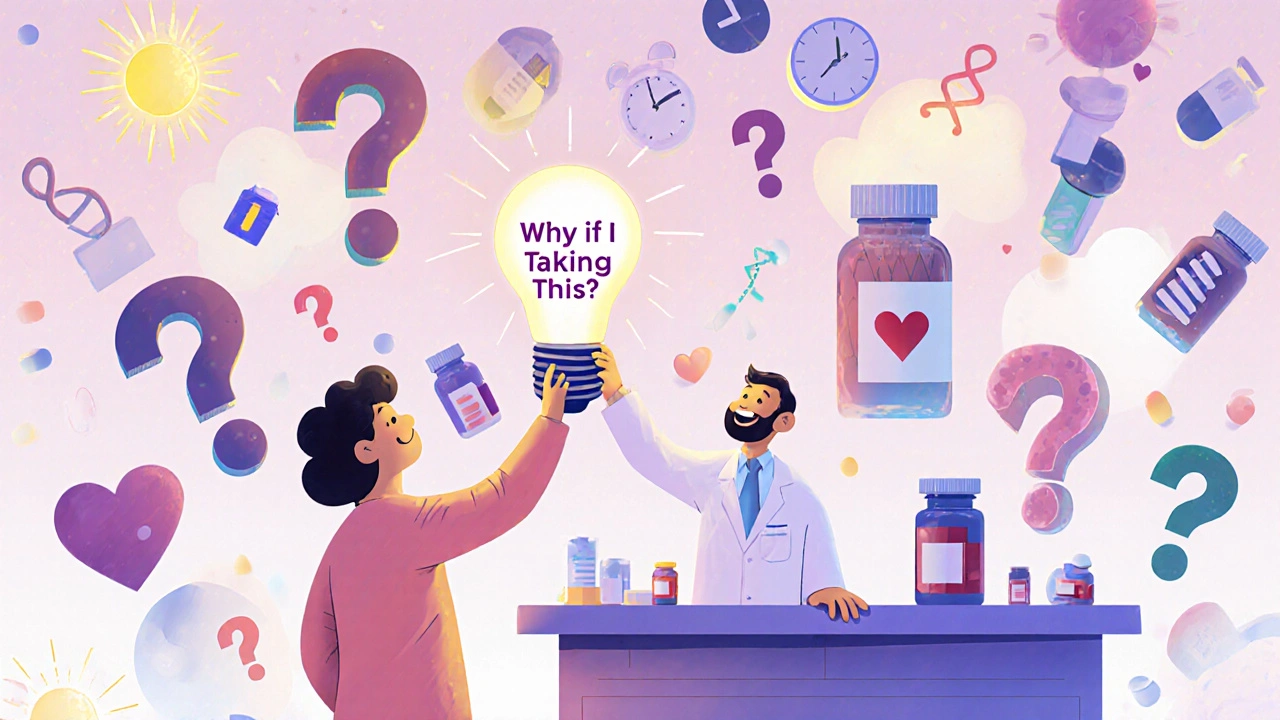
Questions to Ask Your Pharmacist About Prescription Medications
Learn the essential questions to ask your pharmacist about prescription medications to avoid errors, reduce side effects, save money, and stay safe. Expert-backed tips for better medication use.
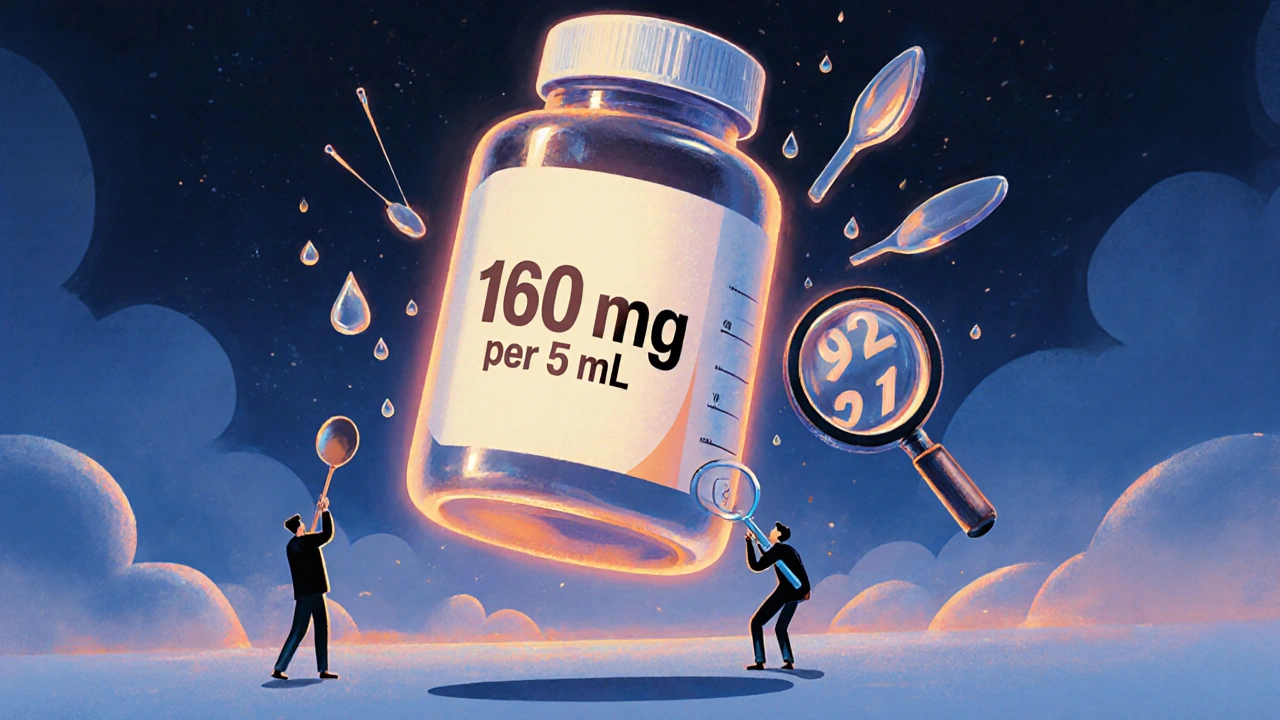
How to Read Dose Measurements on Liquid Prescription Labels
Learn how to safely read liquid prescription labels using milliliters (mL), avoid common dosing mistakes, and use the right measuring tools to protect yourself and your family from medication errors.