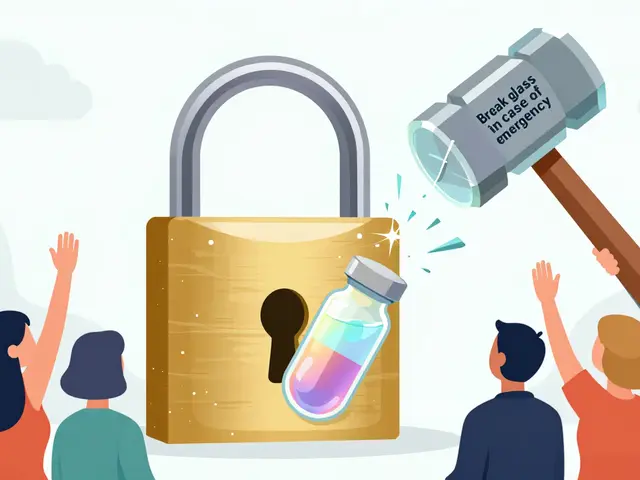
Theophylline Toxicity: Signs, Risks, and What to Do
When theophylline, a bronchodilator used to treat asthma and COPD builds up too high in your blood, it can turn from a life-saving medication into a serious threat. This is called theophylline toxicity, a dangerous condition caused by excessive levels of the drug in the body. It doesn’t happen by accident—most cases stem from missed dose adjustments, drug interactions, or changes in how your body processes the medicine. Even small mistakes can push levels into the danger zone, especially in older adults or people with liver or kidney problems.
Theophylline levels, the measured concentration of the drug in the bloodstream are critical. Doctors don’t just guess—they check them with blood tests. The safe range is narrow: 10 to 20 mcg/mL. Above 20, you might feel shaky or nauseous. Above 30, symptoms get worse: rapid heartbeat, vomiting, seizures. And above 50? That’s a medical emergency. Many people don’t realize how easily this can happen. Smoking, certain antibiotics like ciprofloxacin, or even switching from brand to generic can change how fast your body clears the drug. If you’re on theophylline, you need to know what your triggers are.
Drug toxicity, the harmful effect of a medication at high doses isn’t always obvious. Some people think if they feel fine, the dose must be right. But theophylline toxicity can sneak up. Early signs—headache, upset stomach, trouble sleeping—are easy to ignore. By the time your hands tremble or your heart races, it’s already serious. That’s why regular blood tests aren’t optional. They’re your safety net. And if you’re on other meds, especially for infections, depression, or heart conditions, talk to your pharmacist. Some drugs can double your theophylline levels overnight.
What you’ll find in these posts isn’t just theory. It’s real-world advice from people who’ve dealt with medication errors, side effects, and the quiet dangers of drugs that seem simple on paper. You’ll see how drug interactions, when one medicine changes how another works in the body can turn a routine prescription into a crisis. You’ll learn how to spot the warning signs before it’s too late, how to ask the right questions at the pharmacy, and why even small changes in your routine matter more than you think. This isn’t about fear—it’s about control. Knowing what to watch for, how to test for it, and when to act can keep you safe.
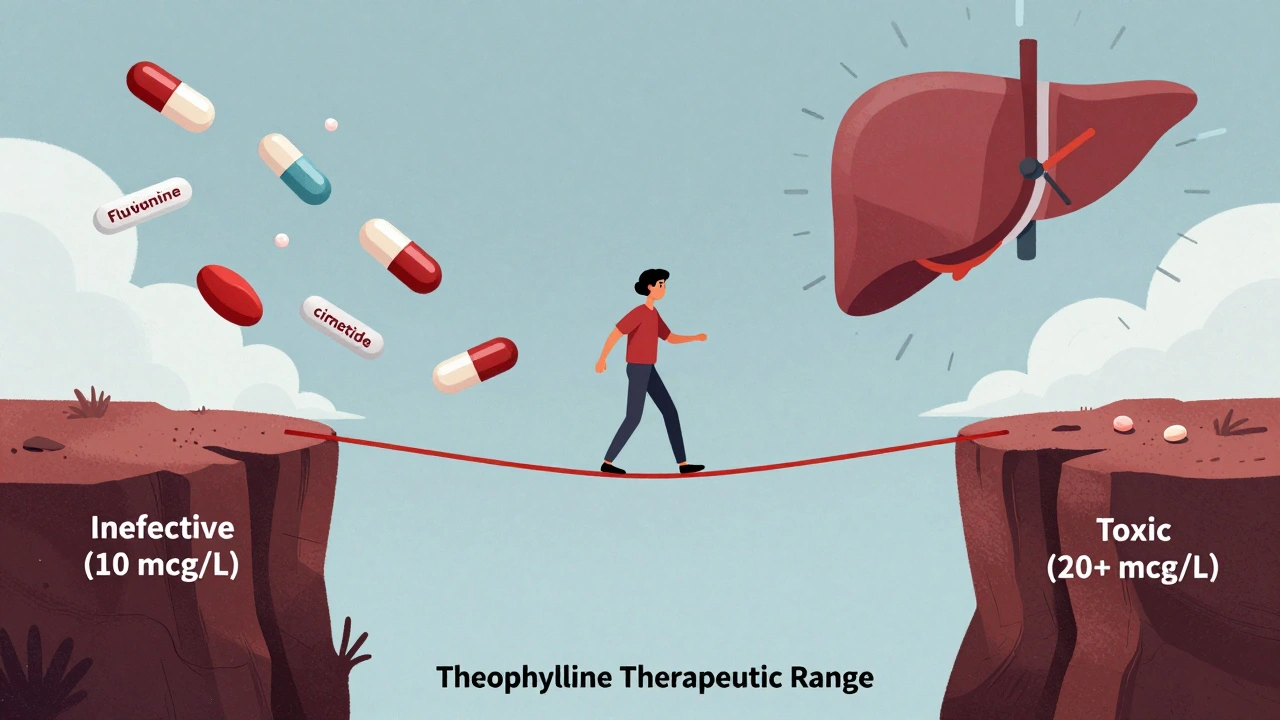
Theophylline Clearance: How Common Medications Can Trigger Dangerous Toxicity
Theophylline is a powerful but risky asthma and COPD medication. Certain common drugs can dangerously reduce its clearance, leading to toxic levels. Learn which medications to avoid and how to stay safe.