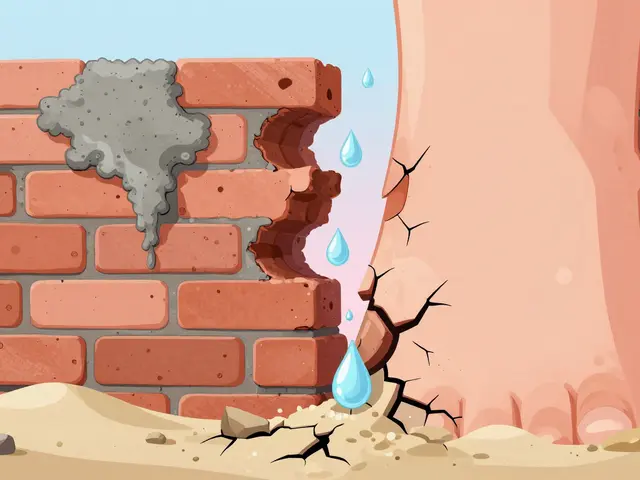
Aging and Medication: How Older Adults Manage Drugs Safely
When you get older, your body doesn’t process drugs the same way it used to. aging and medication, the way drugs interact with the aging body, including changes in metabolism, kidney function, and brain sensitivity. Also known as geriatric pharmacology, it’s not just about taking more pills—it’s about knowing which ones are safe, which to cut, and when to ask for help. Your liver slows down. Your kidneys filter less. Your brain becomes more sensitive to sedatives. A pill that was fine at 40 can cause dizziness, falls, or confusion at 70. That’s why polypharmacy, the use of five or more medications at once, common in older adults isn’t just common—it’s risky. Nearly half of adults over 65 take five or more prescriptions, and many don’t realize how those drugs talk to each other. One medication can block another’s clearance, like how common antibiotics reduce the body’s ability to break down theophylline, leading to toxic buildup. Or how garlic supplements thin the blood just enough to turn warfarin into a danger zone.
medication adherence, how consistently people take their drugs as prescribed drops sharply with age—not because seniors are forgetful, but because side effects pile up. Dizziness from blood pressure meds. Stomach pain from NSAIDs. Memory fuzz from benzodiazepines. When you feel worse taking your pills, you stop. And that’s when things go wrong. The real issue isn’t willpower—it’s lack of clear guidance. Many older adults don’t know to ask if a drug is still needed, if a generic has different fillers that trigger allergies, or if their new painkiller clashes with their heart med. Even something as simple as liquid dosing gets confusing. A teaspoon isn’t a milliliter. A half-pill isn’t always safe. And expired epinephrine? It won’t save you if you need it.
There’s no magic fix, but there are smart moves. Talk to your pharmacist, not just your doctor. Ask: "Is this still necessary?" "Could this cause falls?" "Is there a cheaper or safer version?" Switch from pills to patches when liver processing is weak. Avoid sleeping aids that linger in the system. Test kidney function before starting new drugs. And never assume a supplement is harmless—kava and Strophanthus might sound natural, but they can wreck your liver or mess with heart rhythms. The posts below give you real, no-fluff answers: how to spot dangerous drug combos, when to ditch old meds, how to read labels so you don’t overdose, and what to say when your doctor says "just take it." This isn’t theory. It’s what keeps people out of the ER and living well into their 70s, 80s, and beyond.
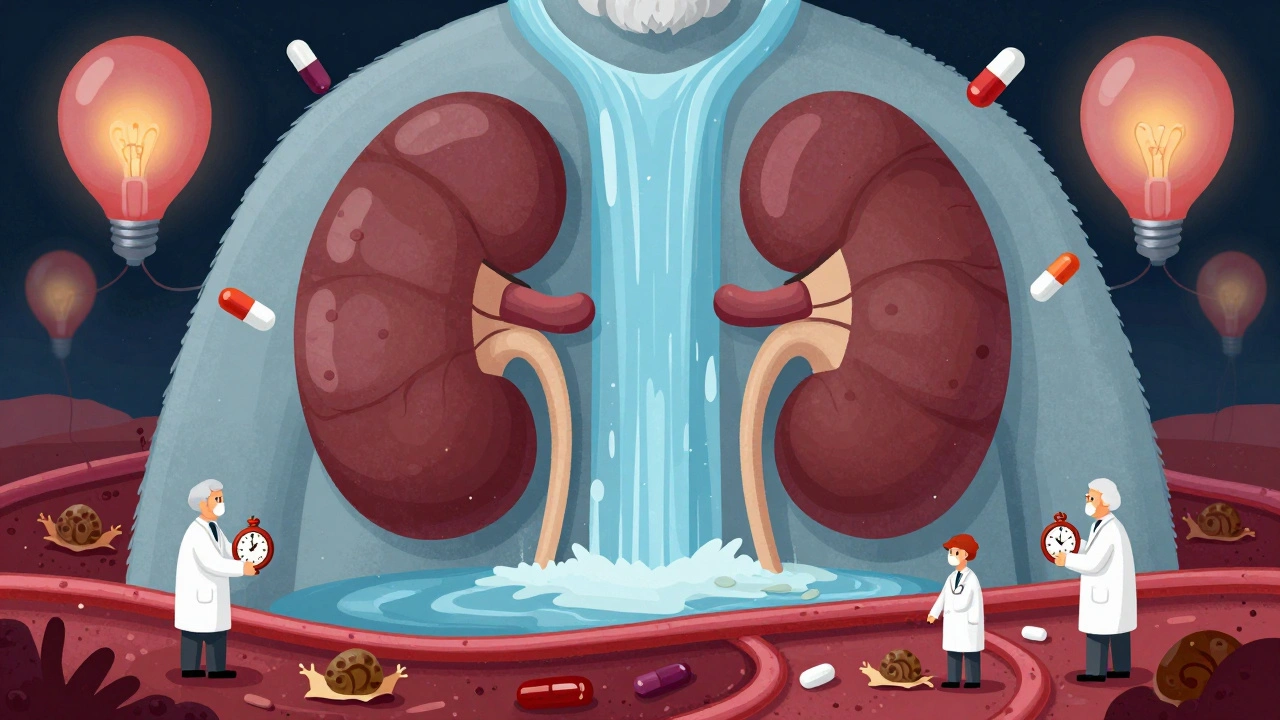
How Aging Changes Your Body’s Response to Medication and Dosing
Aging alters how your body absorbs, processes, and responds to medications. Learn why seniors need lower doses, which drugs are riskiest, and how to avoid dangerous side effects with practical steps and expert guidance.