Medication Adherence: Why Sticking to Your Prescription Matters and How to Get It Right
When you take a medication exactly as your doctor tells you, that’s medication adherence, the practice of following a prescribed drug regimen without skipping, delaying, or stopping doses. It’s not just about remembering to take your pills—it’s about understanding why they matter, how they interact with other things you’re taking, and what happens when you don’t stick to the plan. Missing doses or stopping early can turn a simple treatment into a health crisis. A study from the CDC found that nearly half of people with chronic conditions don’t take their meds as directed—and that’s why hospital visits for avoidable drug problems keep rising.
One big reason adherence fails? generic medication tolerance, differences in inactive ingredients like lactose or dyes that can cause unexpected reactions in sensitive people. You might switch from brand to generic and suddenly feel off—not because the drug doesn’t work, but because your body reacts to something new in the pill. Then there’s drug interactions, when one medicine changes how another works in your body. Garlic supplements thinning your blood? Theophylline building up to toxic levels because you started a new antibiotic? These aren’t rare edge cases—they happen every day, and they’re preventable if you know what to ask.
And if you have kidney disease medication, a condition where your body can’t clear drugs the way it should, making standard doses dangerous, getting the dose right isn’t optional—it’s life-or-death. Too much acetaminophen? A kidney patient could suffer liver damage. Too little blood pressure medicine? Your heart pays the price. Dosing isn’t one-size-fits-all, and neither is adherence.
It’s not just about willpower. It’s about clear labels, simple routines, and knowing what questions to ask your pharmacist. How do you read a liquid prescription? What happens if you miss a dose? Can you split that pill? Can you take it with coffee? These aren’t small details—they’re the difference between healing and harm.
Below, you’ll find real-world advice on avoiding dangerous interactions, understanding why generics sometimes don’t feel the same, adjusting doses for kidney or liver problems, and learning how to communicate your full medication history to your care team. No fluff. No theory. Just what works—and what doesn’t—when you’re trying to stay healthy with pills in your hand.
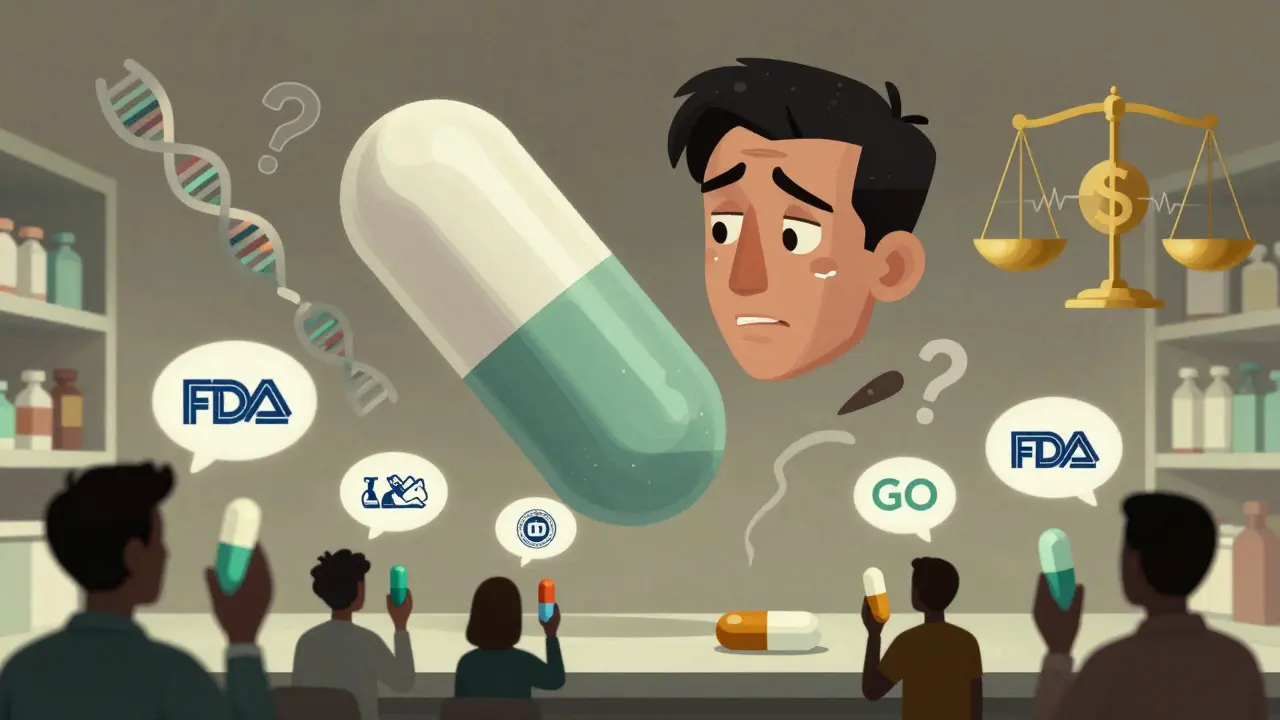
Satisfaction Measurement: Are Patients Happy With Generics? The Real Data Behind Patient Perceptions
Patient satisfaction with generic medications isn't about drug quality - it's about perception. Learn what really influences whether patients trust generics, how healthcare providers shape beliefs, and why cost savings alone aren't enough to ensure adherence.

Support Groups and Community Programs That Actually Improve Medication Adherence
Support groups and community programs improve medication adherence by connecting patients with peers who understand their struggles. These programs reduce missed doses, lower hospitalizations, and save healthcare costs - all through human connection, not just education.
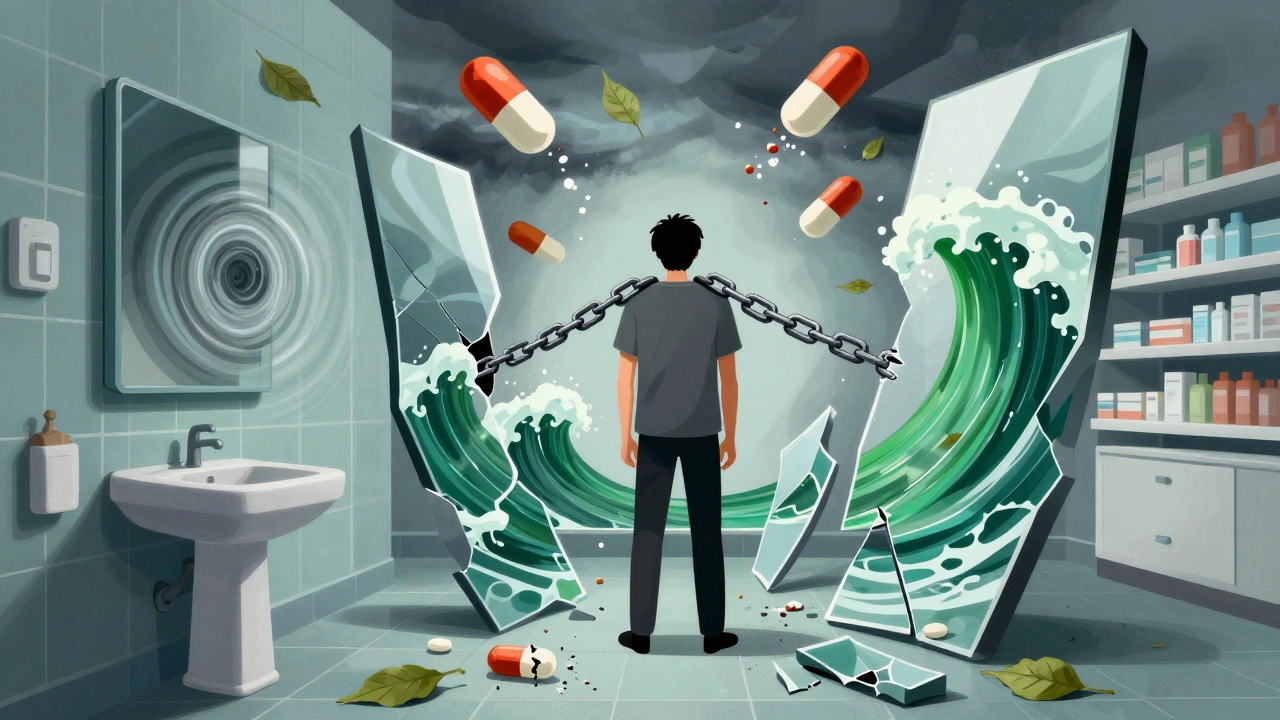
Side Effects and Medication Adherence: How to Stay on Track When Drugs Cause Problems
Side effects are the hidden reason most people stop taking their meds. Learn how to manage them, talk to your pharmacist, and stay on track - without feeling guilty or alone.