Senior Drug Dosing: Safe Medication Use for Older Adults
When it comes to senior drug dosing, the process of adjusting medication amounts for older adults based on how their bodies process drugs. Also known as geriatric dosing, it’s not just about shrinking pill sizes—it’s about understanding how aging changes how drugs move through the body, what sticks around too long, and which combinations become dangerous. As we get older, our kidneys and liver don’t work as fast. That means drugs like blood thinners, painkillers, and even some antibiotics can build up to harmful levels if dosed the same way as for a 30-year-old. A standard dose for a younger person might be a toxic dose for someone over 65.
That’s why renal dosing, adjusting medication amounts based on kidney function, usually measured by eGFR. Also known as kidney-adjusted dosing, it’s one of the most critical factors in senior drug dosing. Many common drugs—like metformin, ibuprofen, and certain antibiotics—are cleared by the kidneys. If those kidneys are slowing down, the drug stays in the system longer. This isn’t theoretical: studies show nearly 40% of older adults are taking at least one medication that needs a kidney-based dose adjustment, and most never get it. Then there’s polypharmacy, the use of five or more medications at once, common in older adults with multiple chronic conditions. Also known as multiple medication use, it’s not just about taking more pills—it’s about how those pills interact with each other. A blood thinner plus garlic supplements? That’s a bleeding risk. A benzodiazepine for sleep plus an antihistamine for allergies? That’s a fall risk. The same pill that helps one person can hurt another, simply because of what else they’re taking.
And it’s not just about the drugs themselves—it’s about how they’re taken. Many seniors struggle with reading tiny labels, measuring liquids correctly, or remembering when to take each pill. Side effects like dizziness, confusion, or stomach upset are often written off as "just getting older," when they’re actually warning signs from the meds. That’s why talking to your pharmacist isn’t optional—it’s essential. They’re the ones who spot the hidden interactions, the duplicate prescriptions, and the outdated doses that doctors might miss in a 10-minute visit.
What you’ll find below isn’t a list of generic advice. It’s real-world guidance from posts that have helped thousands of older adults and their families. You’ll learn how to spot dangerous drug combinations, understand when a generic version might cause problems because of its fillers, how to safely taper off benzodiazepines, and why some medications need to be avoided entirely in kidney disease. These aren’t theory pieces—they’re practical, actionable steps taken from real patient experiences and clinical insights. Whether you’re managing your own meds, helping a parent, or just trying to avoid the next hospital visit, this collection gives you the tools to ask the right questions and make smarter choices.
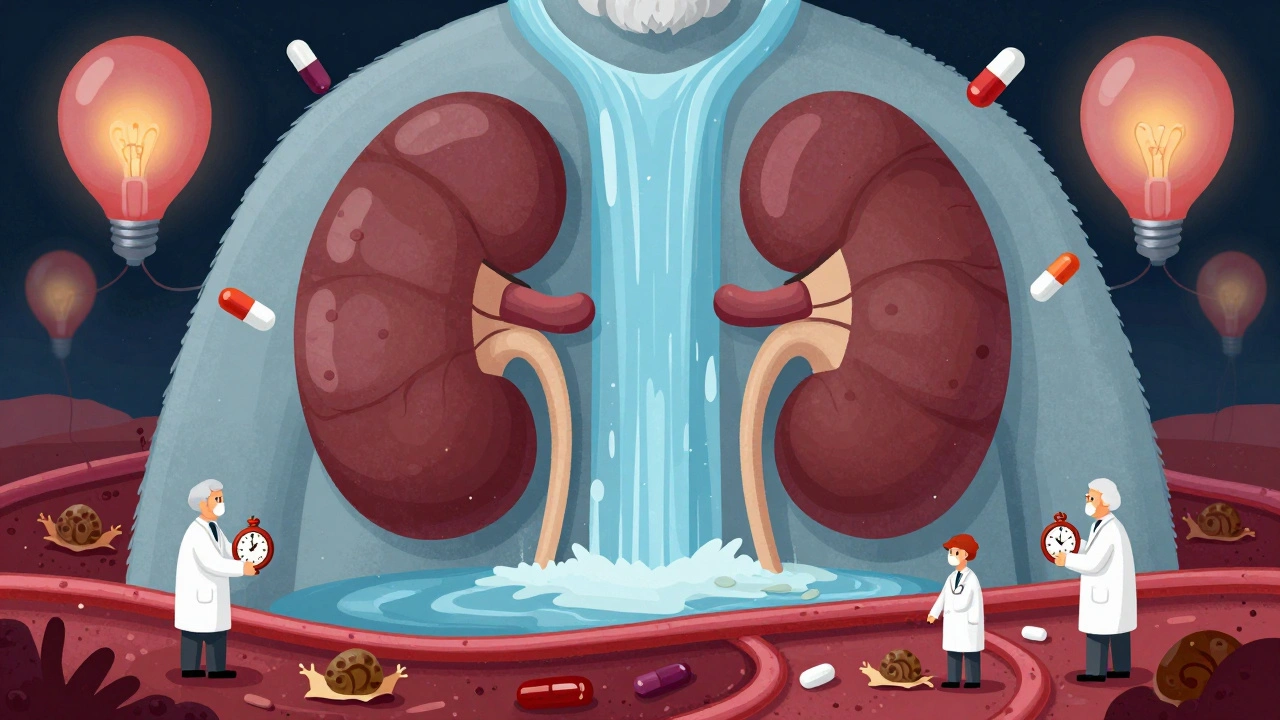
How Aging Changes Your Body’s Response to Medication and Dosing
Aging alters how your body absorbs, processes, and responds to medications. Learn why seniors need lower doses, which drugs are riskiest, and how to avoid dangerous side effects with practical steps and expert guidance.