When to Throw Away Medicine
When you when to throw away medicine, the decision isn’t just about expiration dates—it’s about safety, effectiveness, and preventing harm. Also known as medication disposal, this practice keeps old pills out of kids’ reach, prevents accidental overdoses, and stops drugs from polluting water supplies. Most people think if a pill looks fine, it’s still good. But that’s not true. Heat, moisture, and time break down active ingredients. A 2012 FDA study found that some antibiotics lost up to 50% of their strength after just one year past expiration. That’s not just ineffective—it’s dangerous if you’re treating an infection.
expired medication, any drug past its printed expiration date. Also known as out-of-date pills, it doesn’t suddenly turn toxic, but it won’t work like it should. Insulin, nitroglycerin, and liquid antibiotics are especially risky after expiration—they can fail when you need them most. Even common painkillers like acetaminophen lose potency over time. If your medicine smells strange, looks discolored, or feels sticky or crumbly, toss it. Don’t wait for the date. Your body doesn’t care about the label.
medication storage, how you keep your pills matters as much as when you use them. Also known as drug storage conditions, storing meds in the bathroom or near the stove ruins them fast. Humidity and heat are the biggest enemies. Keep antibiotics, thyroid meds, and epinephrine in a cool, dry place—like a bedroom drawer, not above the sink. Sunlight fades labels and degrades chemicals. If your medicine came with a desiccant packet, leave it in the bottle. That little packet is there for a reason.
What to Do With Pills You No Longer Need
medicine disposal, the right way to get rid of unwanted drugs. Also known as safe drug disposal, flushing pills down the toilet or tossing them in the trash is a bad idea. It pollutes water and invites misuse. The best option? Take-back programs at pharmacies or police stations. Many places offer free drop-off bins. If that’s not available, mix pills with coffee grounds or cat litter, seal them in a plastic bag, and throw them in the trash. Never leave them in a visible container. Someone could find them.
Don’t assume your old painkillers or antibiotics are harmless just because you’re not using them. Someone else might. Teens, elderly relatives, or even pets can accidentally—or intentionally—take what’s left in your cabinet. A single leftover opioid pill can be deadly for someone without tolerance. That’s why clearing out your medicine cabinet isn’t just smart—it’s responsible.
Below, you’ll find real-world advice from people who’ve dealt with dangerous interactions, storage mistakes, and life-saving decisions about what to keep and what to toss. These aren’t theories. These are stories from patients, pharmacists, and doctors who’ve seen what happens when medicine isn’t handled right. Whether you’re cleaning out your medicine cabinet, caring for an aging parent, or just trying to stay safe, the posts here will show you exactly what to do—and what to avoid.
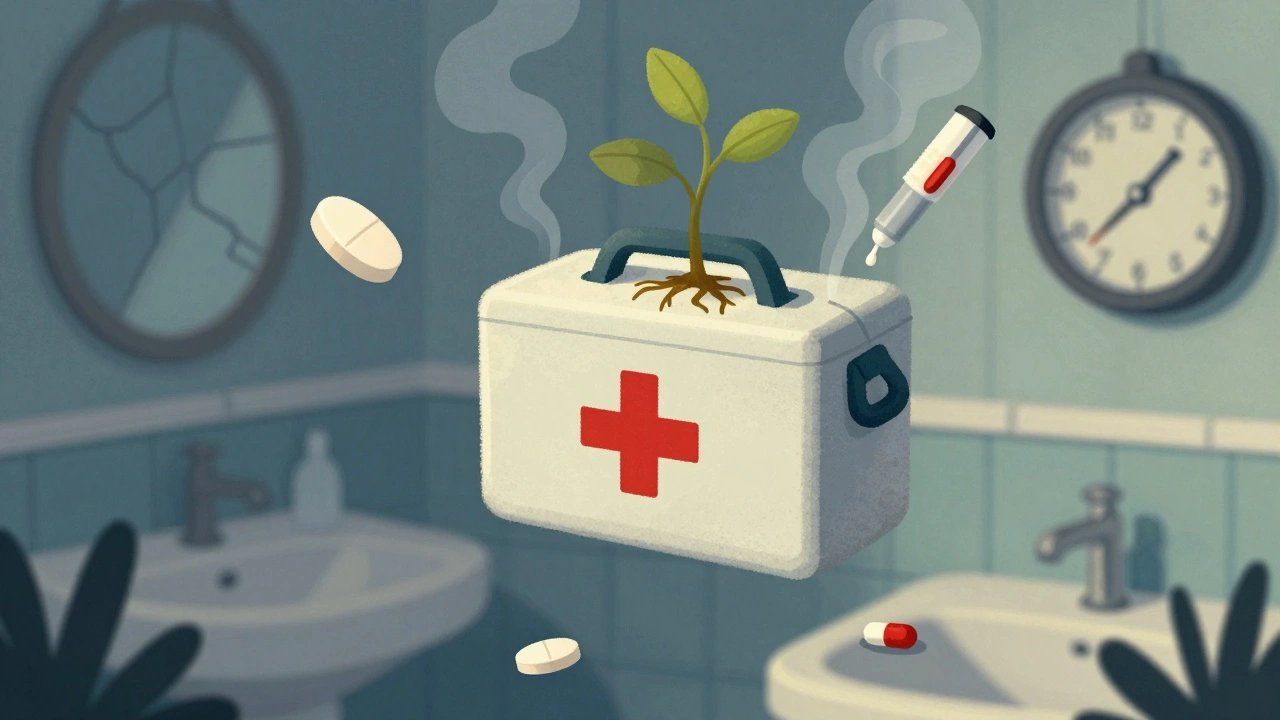
How to Decide When to Replace Expired OTC First-Aid Medications
Learn which expired OTC first-aid meds are safe to use and which must be replaced immediately. Get clear, practical advice on checking, storing, and disposing of expired medications to keep your first-aid kit reliable.